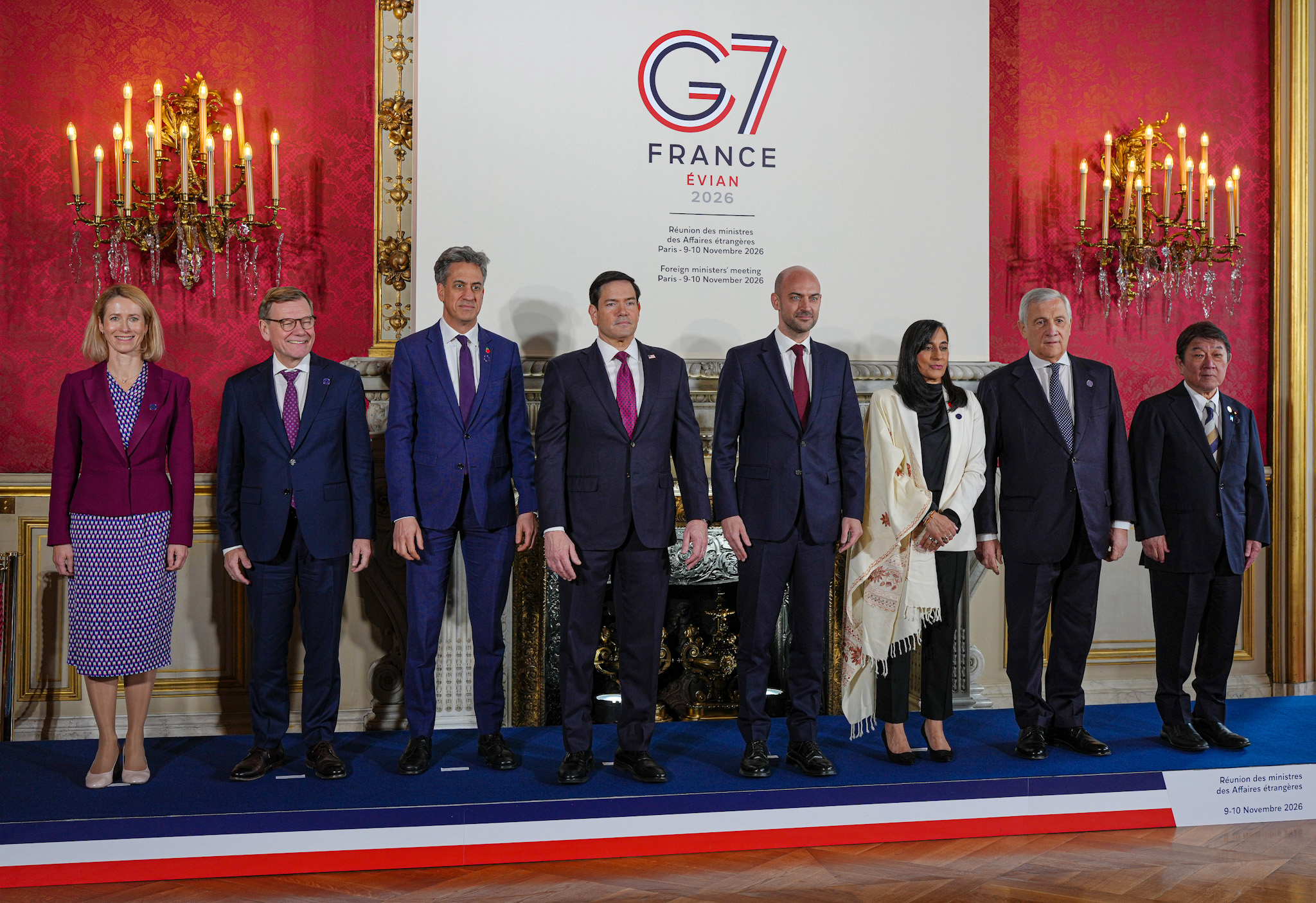
The G7 pledged to strengthen the UN’s humanitarian role, but its Paris meeting revealed a growing preference for diplomacy outside the world body.
The UN has historically played a central role in peace negotiations, from armistices in the Middle East and Korea to peace agreements in Namibia, El Salvador, Colombia, Congo, Sudan, and between Iran and Iraq.
But that role may take a back seat to simply functioning as the logistics arm of powerful nations if the November G7 meeting in Paris is any guide. According to the gathering’s final report, the shift from multilateralism housed in Manhattan’s Turtle Bay UN headquarters to direct deals among powerful nations continues.
“The UN has become increasingly marginal to conflict resolution in recent years, while maintaining a leading role in emergency relief operations despite US budget cuts,” Richard Gowan, program director of global issues and institutions at the International Crisis Group, told Envoy magazine, adding, “Even the Trump administration has acknowledged that UN agencies are uniquely able to deliver humanitarian relief at scale.”
As the future of the UN’s mandate of peace and security hangs in the balance, the world’s wealthiest nations met in Paris to ponder next steps for global wars and needs.
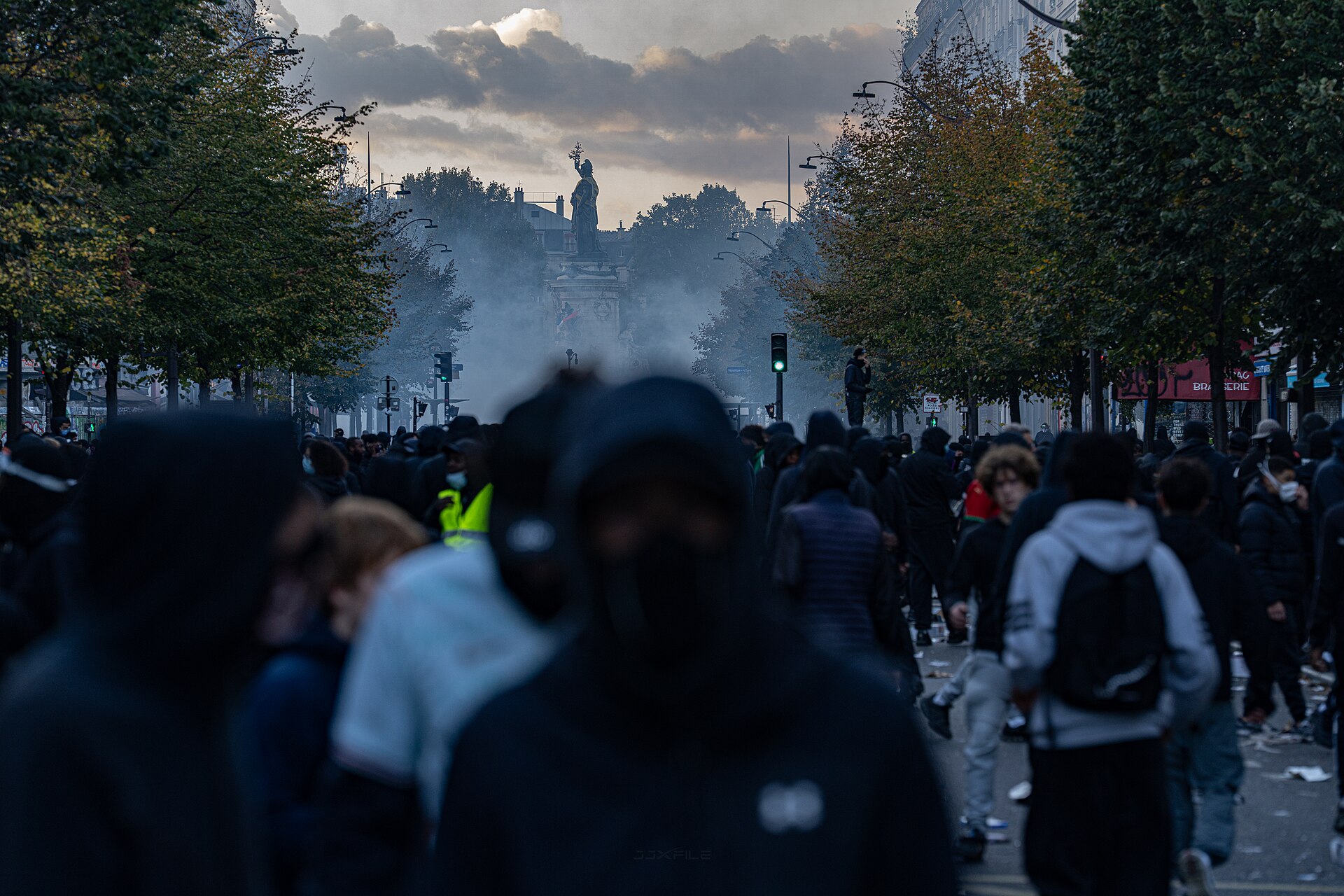
The Group of Seven leading industrialized nations (the G7) was formed in the 1970s as an economic support group with the expectation of having unified positions to take on the oil crisis, rising inflation, and the end of the Bretton Woods system’s pegging of the US dollar to gold. Comprising the US, France, the UK, then-West Germany, Japan & Italy—and Russia for a period of time—the group has a rotating presidency and this meeting (relocated last minute from Marseille to Paris’ Quai d’Orsay because of the protests & security needs) included the US and France along with Germany, the UK, Canada, Italy and Japan along with Ukraine, Saudi Arabia, Egypt, South Korea and Brazil.
The G7 foreign ministers’ closing communique in their November Paris meeting made a point of lending support to the UN, hoping to “strengthen the humanitarian system.” But behind the statement of support is the current shrinking pool of resources and the increasing penchant to conduct diplomacy in groups of nations rather in large multinational settings.
“So it is not surprising that the G7 largely treats the UN as a relief agency, not as a platform for top-level political problem solving,” Gowan said.
The agenda was dominated by talk of resolving conflicts including in Ukraine, Iran and the Middle East as well as the Indo-Pacific, Sudan, the Horn of Africa, Haiti, Cuba, Venezuela, food security & nutrition, forced displacement, malicious cyber-attacks and interference, transnational organized crime, satellite infrastructure, advancement of science, and economic security and critical minerals.
“It is also worth noting that many G7 members do not want the UN to play a major role in design with Russia’s war on Ukraine, which is their main preoccupation, because Moscow still holds a veto in the Security Council,” the Crisis Group’s Gowan said, “G7 members including France and Germany have always kept the UN at arm’s length over Ukraine for this reason.”
At a side event in Paris—that was not on the record—a former G7 finance minister alerted delegates to “an urgent need for international cooperation among the G7 to prevent safety accidents before technology matures”—a prescient comment just days before the crises with the FAA, Microsoft, Amtrak and global banks.
Past crises have informed several of the Group’s members to cooperate: “The US was late in responding to the 2007 financial panic, which led to catastrophic costs for a fragile system,” the former U.S. official said.
UN reform and strengthening of multilateralism was strong but in the context of the US’ midterm elections, disappointing EU growth, and steep cutbacks in UN funding commitments, G7 leaders appeared to work in the smaller setting toward, what France Foreign Minister Jean-Noël Barrot called, “peace through dialogue.”
“Pooling of resources” and “the reinforcement of the existing humanitarian hubs” were high on the agenda, but the mood – at the meetings and in get togethers outside the meeting rooms – was skeptical and uncertain.
The plethora of diplomatic gatherings (Abu Dhabi on Ukraine, Shenzhen, China meeting of President Donald Trump, Chinese President Xi Jinping, and Russian President Vladimir Putin, and the upcoming Group of 20 meeting in Miami) appears for now to keep the talks continuing in smaller groups with solutions hard to find and with the focus off the UN, just as the race to lead it is indecisive and heading for a hard deadline.
About The Author