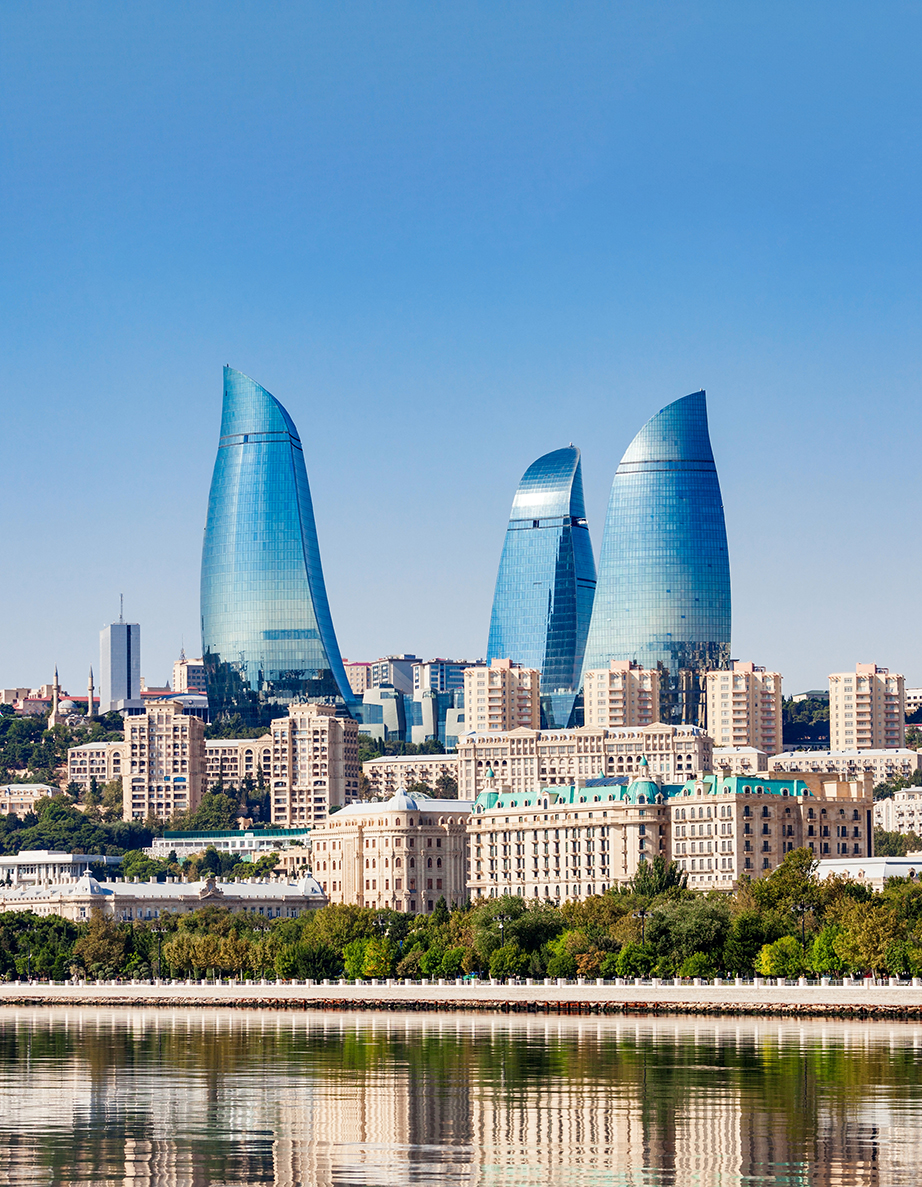
BY 2030, 3 billion people will need access to adequate housing—an unmet need that amounts to roughly 96,000 new affordable, accessible homes every day.
By 2030, 3 billion people will need access to adequate housing—an unmet need that amounts to roughly 96,000 new affordable, accessible homes every day, according to UN-Habitat. That gap is at the center of the UN’s 13th World Urban Forum (WUF13), taking place in Baku, Azerbaijan, May 17–22.
This year’s theme, “Housing the world: safe and resilient cities and communities,” will convene governments, city leaders, and experts to examine housing delivery alongside urban transformation, smart-city initiatives, sustainable development, and post-conflict reconstruction—linking heritage preservation with forward-looking planning.
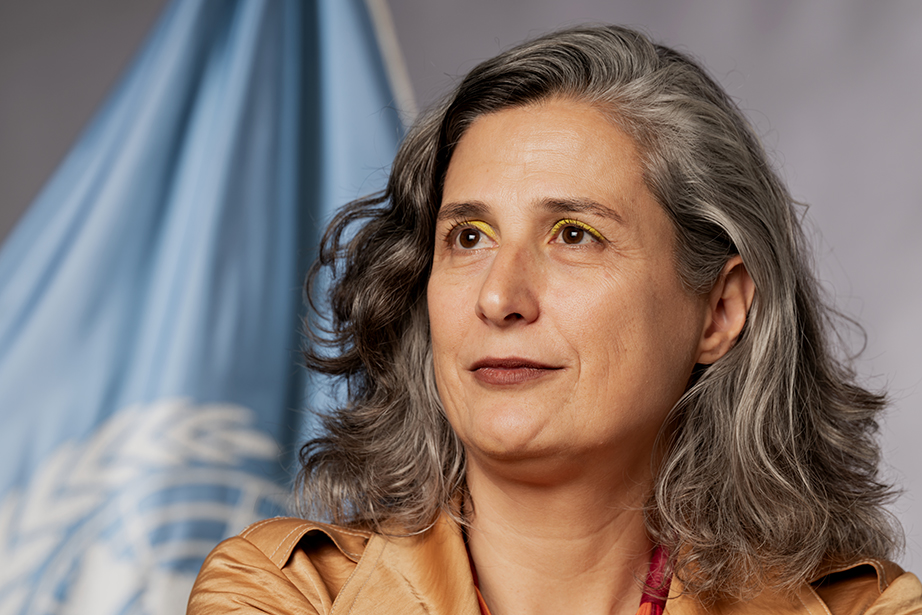
Launched in 2001, WUF has become a global platform for grappling with rapid urbanization and its effects on communities, economies, climate, and public policy. Ahead of WUF13, Anacláudia Rossbach, UN Under-Secretary-General and Executive Director of the United Nations Human Settlements Programme (UN-Habitat), shared her priorities for the forum. This interview has been edited and condensed for clarity.
Could you briefly tell us about the UN-Habitat program and explain its main mission and objectives?
UN-Habitat was created 50 years ago, right after an international conference called Habitat I. It took place in 1976 in Vancouver, Canada. At this conference, Member States and global stakeholders realized the pace of urbanization and the need to have a strong entity dedicated to urbanization and dedicated to supporting the process of urban development, understanding that more people were coming to cities and that one specific thing they would need more of is housing, shelter.
UN-Habitat was upgraded to a full-fledged programme under the Secretariat. Shelter has been at the core of our mandate, dealing with the international shelter crisis. So, UN-Habitat is, within the UN system, the entity, the organization, responsible for looking at the urbanization process and supporting cities and communities. And also dealing with the global housing crisis that we are living in.
We are also custodians of SDG 11, which is the SDG focused on cities and communities. There is a strong emphasis on housing. The document that is key to UN-Habitat’s mandate was approved and endorsed by Member States almost 10 years ago at the Habitat III Conference in Quito, Ecuador. It is called the New Urban Agenda. It also foresaw housing at the center. Now, our newest Strategic Plan, adopted by the Member States in May 2025, focuses on housing, land and basic services. We also work with cities and communities supporting local action on the ground.
How many countries do you work with this program?
We have a presence in more than 70 countries. Of course, really, we work with all Member States as we are the United Nations. For example, we had our UN-Habitat Assembly this year in May in Nairobi, and we had the presence of 108 Member States. Our Strategic Plan was endorsed by 105 Member States. So, all Member States can be engaged with UN-Habitat. But we have a presence, a physical presence, through liaison offices, country offices, and program or project offices in more than 70 countries.
What are the core objectives of WUF13, and why is Baku a significant choice to host this global event?
Since I’m going back to the genesis of everything, and this is the model of the UN right now, as we are reforming after 80 years. Looking at the genesis, how everything started, going back to basics. The World Urban Forum was created in 2001, and in this process that I was just mentioning, there was recognition by Member States that UN-Habitat needs to be stronger. So, it became a full-fledged program under the Secretariat back then, and then the World Urban Forum was established by the UN General Assembly.
It was envisaged as a platform where experts in the field of urban development and human settlements would convene, understanding that our capacity as an organization needed to be expanded to deal with the scale of the challenges. So, it’s actually a different kind of UN conference. It’s a UN conference that serves as a platform for stakeholders to engage in our work. I think this is very important information, and we want WUF13 in Baku to really strengthen this feature.
We want to have a strong presence from local and regional governments, from academia, from civil society, and from different groups, and make sure we hear their input at the midterm of the New Urban Agenda, which I mentioned earlier. The New Urban Agenda was approved in 2016. Next year marks 10 years of the New Urban Agenda, which goes until 2036. We still have 10 years to implement it. This WUF should really serve as a critical point where we build a coalition, where we build critical mass, where we look at solutions and practices that are working, and convene around that.
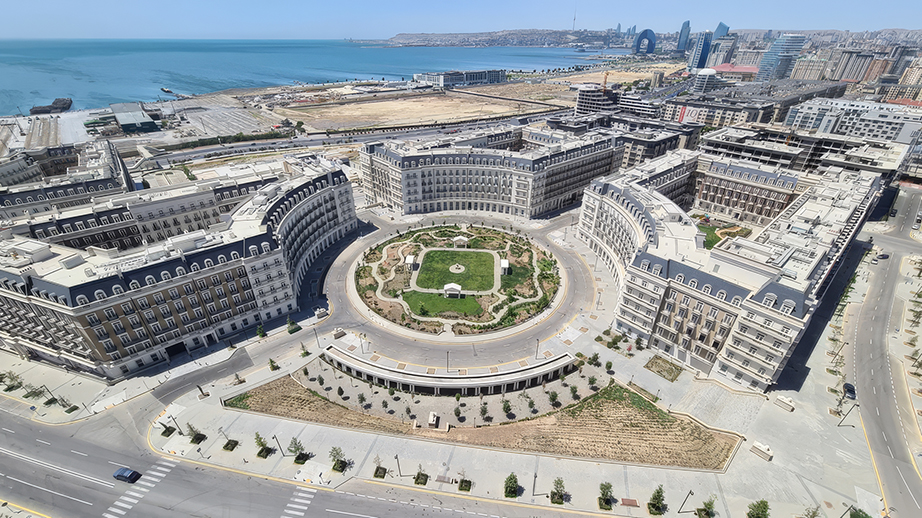
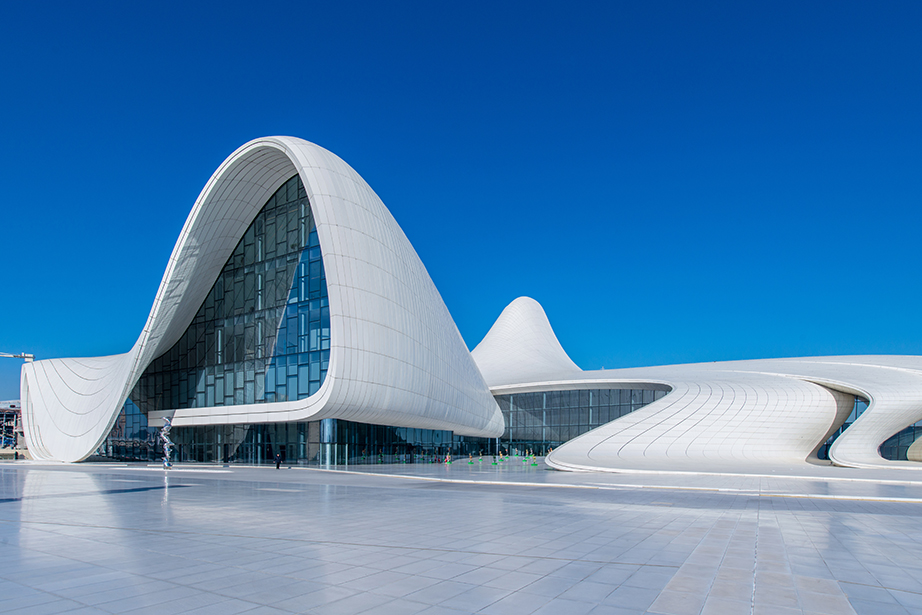
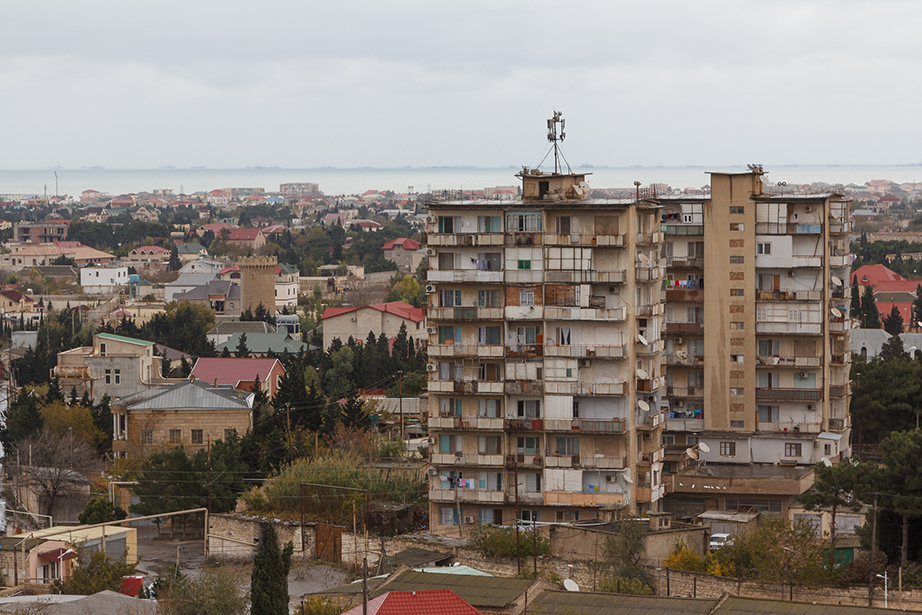
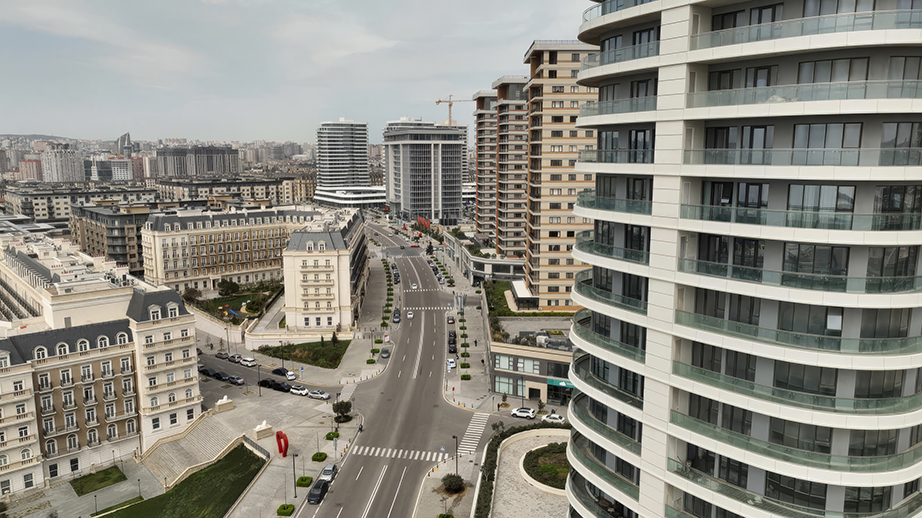
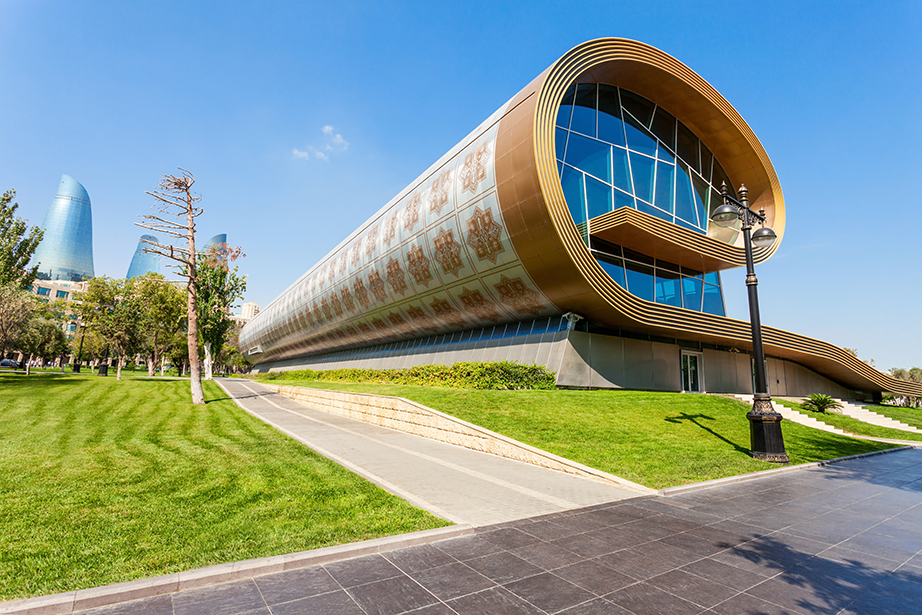
Baku is very interesting because many of the areas that we are tackling as part of current challenges are related to experiences in Baku and Azerbaijan. We cannot just build houses; we need urban planning. How we plan the city is critical. We need to maximize existing areas. For example, you have in Baku, the White City, which is an example of urban regeneration, urban transformation. And this is very important, because we cannot keep growing as cities. We grow more in territory than in population. And this has been very oppressive for nature, very oppressive for the people, for the government to manage all that. It’s also very expensive. It doesn’t make sense. So, urban regeneration experiences, as well as recovery and reconstruction, are critical. There are a series of experiences that we can connect in Baku.
Also, the whole region is emerging as a very strong region for UN-Habitat. It’s a region where UN-Habitat hasn’t had a very strong presence, but we have been receiving a lot of demand. So, the regional aspect is also of extreme relevance for UN-Habitat.
How many guests are you expecting from around the world to join?
Well, a lot. We had around 25,000 participants in Cairo last year, and we hope to reach a similar number next year. I can say that Baku is ready for WUF13. The report presented by the Azerbaijani side to the member states shows that all preparation works are being carried out at a high level. UN-Habitat coordinates registrations and participation in side events, and it is already known that there is great interest and demand for participation in the forum. This will serve as an important platform for international participants to discuss urban problems in Baku, present practical experiences, solutions, and share expert knowledge.
The WUF team in Azerbaijan has stated that a Leaders’ Summit will be held for the first time at this forum. What other “firsts” or innovative initiatives are you planning for WUF13?
As I have mentioned earlier, we plan to have the WUF13 Practices Hub. This will be very innovative, the way we are shaping the training and capacity building. We also plan to have the WUF13 Academy. We are changing a lot of aspects in this World Urban Forum to make it more inclusive, more under the co-creation models, and more fit for purpose, to make sure that we not only meet, but meet with purpose and action. I’m putting a lot of hope on the Practices Hub, for example. This is a big innovation, we will have to showcase practical solutions and approaches to tackling housing and sustainable urban development.
WUF will also be very important for another intergovernmental process that we have ongoing: the Open-Ended Working Group on Housing, and Azerbaijan is one of the co-facilitators of this process. This is a very important intergovernmental process under UN-Habitat because, as I said, housing is a priority for UN-Habitat. The practices that we are going to showcase at WUF will be very important for the work of this Open-Ended Working Group, and Azerbaijan is co-chairing this process. But of course, having a Leaders’ Summit is critical to gain the political support that we need, because the urbanization process is relevant for all the challenges we are facing as a planet. Very soon, by 2050, we’re going to have 70% of the population living in cities. So, we really need to make sure that cities are strong enough to deal with the challenges of development, humanitarian crises, peace and security, human rights, development and all the areas of action of the UN.
How can UN-Habitat support rebuilding cities and communities in a sustainable, resilient, and inclusive way?
As I mentioned, this is also one critical area of our work: recovery and reconstruction. If you look at our Strategic Plan, housing is at the center, but we have impact areas. One is poverty, another is climate change, and the third one is recovery and preparedness. Everything we learn will reflect in our global work. Specifically in Azerbaijan, we have an office, we have a team, and under the guidance of SCUPA, we will very soon start working on the development of special plans for the reconstruction of two villages in Karabakh and bring this holistic urban development approach to the process.
I was in the region recently to launch the campaign, but the idea is really to integrate the community in this process of holistic development with basic infrastructure, housing, public services, and green spaces. We also need to look at mobility in a very smart way that preserves the environment and livelihoods, while also considering food production and the relationship between urban and rural areas and how they connect to the overall urban and economic systems in Azerbaijan. This strengthens the social tissue.
So, we’re very keen to support the Azerbaijani government on that, using our expertise, connecting our global presence there, but also learning from the process, because every process is a new process and we learn from that as well.
What are your goals, and how optimistic are you that by the end of WUF13, you will achieve them?
Next year will be very strategic for UN-Habitat because we are at the mid-term review point of the New Urban Agenda. We’re going to assess the past, but we have to look at the future in parallel. In New York, we will assess SDG 11. We are custodians for SDG 11, which tackles cities and communities. These two discussions about the past and the future of the New Urban Agenda with Member States and the SDG 11 discussion will take place in July in New York next year, just after the World Urban Forum in May. So I really expect that the World Urban Forum becomes a major coalition for the future of the New Urban Agenda, a major coalition capable of connecting the expertise, the practices, and the political support that we need to conclude the New Urban Agenda timeline in 2036 successfully-with cities that thrive, cities that are equal, inclusive, planned for people and for nature, and cities that protect us as human beings on the planet.
What message would you like to share with the global community ahead of WUF13?
I think perhaps the final message is to go to Baku. You’re going to enjoy it, it’s a beautiful city, and be part of this global coalition, because we need all of you. The role of the media is critical, critical, critical. We need all of you.
About The Author