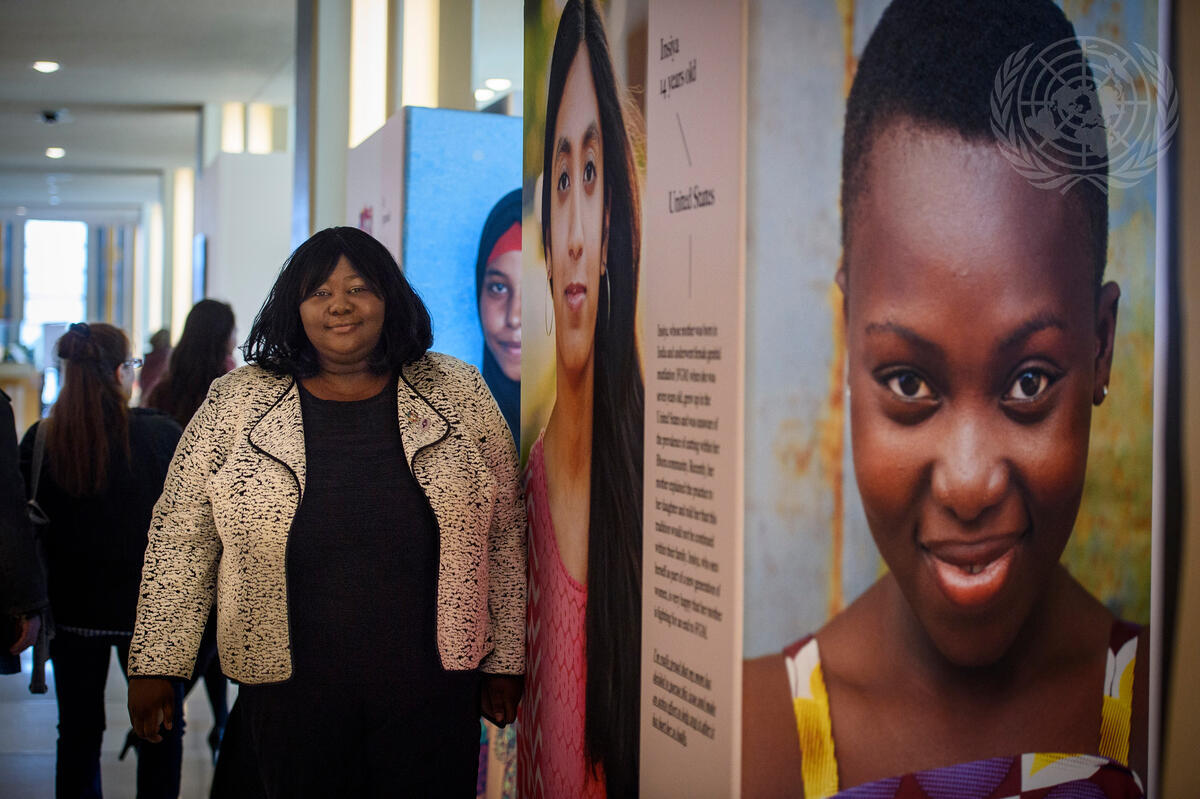
Growing up in Guinea, I watched my father work alongside the UN to protect families fleeing war. His example taught me a lesson the next secretary-general should heed: Global solutions depend on local leaders.
By Aissata M.B. Camara
When my father took my siblings and me to a refugee camp in Forécariah, Guinea, I found children to play with. We did not speak the same language, but after a few minutes, it felt like we did.
Children told stories of what had happened to their families during Sierra Leone’s civil war. They performed a form of art therapy, a way for the children to show the leaders watching what the war had done to them. I still remember one boy sobbing as he sang about no longer having a mother or father because the rebels had killed them. Even at my young age, it broke my heart as I watched the adults wrap their arms around him to console him.
My father was Prefect of Forécariah at the time. He brought us to the camps so we could understand his work and the importance of peace. During the height of the war, I watched him coordinate daily with the UN through agencies like UNHCR, the UN Refugee Agency, to keep a corridor open for people fleeing violence. Together, the UN, my father, and the Guinean administration helped Sierra Leonean families reach safety. He also appealed publicly for more assistance for refugees, including food and medicine, an appeal reported in The New York Times in January 1995.
My belief in the UN began there and then. I saw what it meant for families to have somewhere to turn, and how much depended on the people responsible for the community receiving them. My father needed the UN. The UN needed people like my father.
As member states choose the next secretary-general, I want the candidates to take that relationship seriously.
One of my father’s most important teachings is that cities, states, and regions should be among the next leader’s closest allies. They can multiply what the UN can accomplish because they know their communities and have responsibilities there that continue long after an international meeting ends.
I came to understand this from another side during more than a decade in New York City government, where I ultimately served as Commissioner for International Affairs. As the city’s key liaison with the United Nations, I worked to strengthen our relationship with the organization. The UN’s donation of 250,000 masks for New York City health workers in March 2020, the height of the COVID-19 pandemic, showed how that type of cooperation can have a significant impact, supporting lifesaving work during emergencies. Even a city with New York’s resources needed help.
New York Is Not So Different From Forécariah
Both in the United States and Guinea, I learned to ask practical questions. In a community receiving refugees, who will work out how schools can accommodate more children and how families will get water and medical care? When a health emergency strikes, who knows what local health workers need? Those officials should help shape international responses from the beginning. They are the closest to the people and they are the first group to be held accountable when the promises fall short.
The next secretary-general has somewhere to start. The Pact for the Future called for recommendations on engaging local and regional authorities, followed by a secretary-general’s report in 2025. Yet the UN itself acknowledges that its arrangements for participation do not adequately reflect local governments’ role in achieving development goals. The next UN chief should make their involvement a regular part of country planning, so local officials can contribute to priorities before plans and budgets are settled.
That means working with national governments and UN country teams to bring local officials into development and crisis-preparedness decisions early. Smaller towns and rural regions deserve the same opportunity as major cities. Member states can also include local officials in their delegations, giving the people responsible for carrying out commitments a chance to help shape them.
Participation also needs practical and technical support. Local administrations may need help preparing a project or navigating a funding application. Once a service starts, it needs money to keep running. Governments and development partners should make funding easier to access and reliable enough to sustain the services families depend on.
The next secretary-general should publish a plan with UN agency leaders explaining who will take these steps and by when early in their tenure. The plan should distinguish what they can do under existing mandates from what requires member-state or governing-body approval, while respecting national law.
Progress should feature in the annual report to the General Assembly: whether local officials helped shape decisions, whether assistance reached communities and whether services improved. Local leaders should account for how they use the support they receive. They should also continue efforts already in place.
Through my experience and my leadership at the Global Subnational Diplomacy Council, I have witnessed the eagerness of local and regional governments to help accelerate the work of the United Nations. They want to be part of the solution in serving their communities to ensure people live in dignity.
My father’s work gave me a reason to believe in the UN long before I worked with it myself. I want the next secretary-general to make it easier for local leaders to do what he did: work with the UN when their communities need it most. The candidates should tell us how they intend to do that. Member states choosing among them should make their answers count.
Taking these steps will ensure people all over the world can believe in the United Nations again.
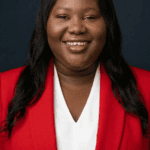
Aissata M.B. Camara is the Founder & President, Global Subnational Diplomacy Council; Former Commissioner for International Affairs for the City of New York.
About The Author