As global mobility becomes increasingly shaped by geopolitics, the hospitality sector is no longer driven solely by demand, it is influenced by policy, perception, and access. For Alpan Keskin, Founder o WL Hospitality Investments, this shift is most visible during moments when diplomacy and tourism converge.
From the annual influx tied to the United Nations General Assembly to the unprecedented scale of the 2026 FIFA World Cup, the U.S. hospitality industry is entering a defining period, one where foreign policy may prove as impactful as market fundamentals.

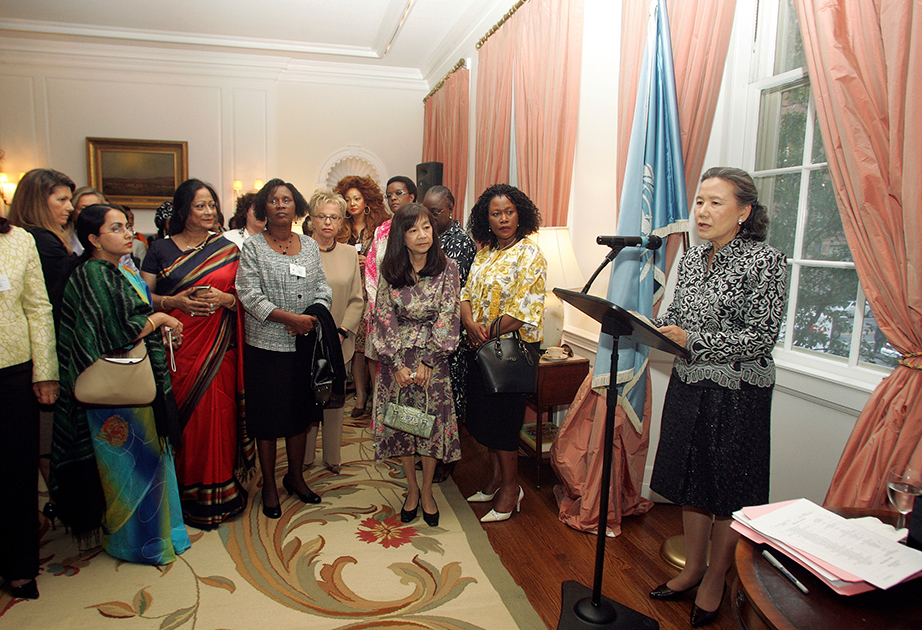
UN Tourism: A High-Value, High-Precision Segment
Each year, New York City hosts one of the most concentrated influxes of global decision-makers during UNGA. While difficult to quantify precisely, its impact sits within a broader tourism ecosystem that welcomed over 64.3 million visitors in 2024, generating $51 billion in spending and $6.8 billion in tax revenue.
However, the composition of UNGA-driven demand is distinct. Unlike leisure tourism, international visitors; particularly diplomatic and institutional travelers account for a disproportionate share of spending. In fact, international visitors typically generate roughly half of total tourism spending despite being a minority of total arrivals.
“UNGA is less about volume and more about value,” Keskin explains. “It is relationship driven, highly time sensitive, and requires absolute precision.”
Operationally, hotels must navigate heightened security, restricted access zones, and last minute scheduling shifts all while maintaining premium service standards. The long-term upside, however, is significant: these visitors often return outside the UN calendar, reinforcing sustained demand in luxury and corporate segments.

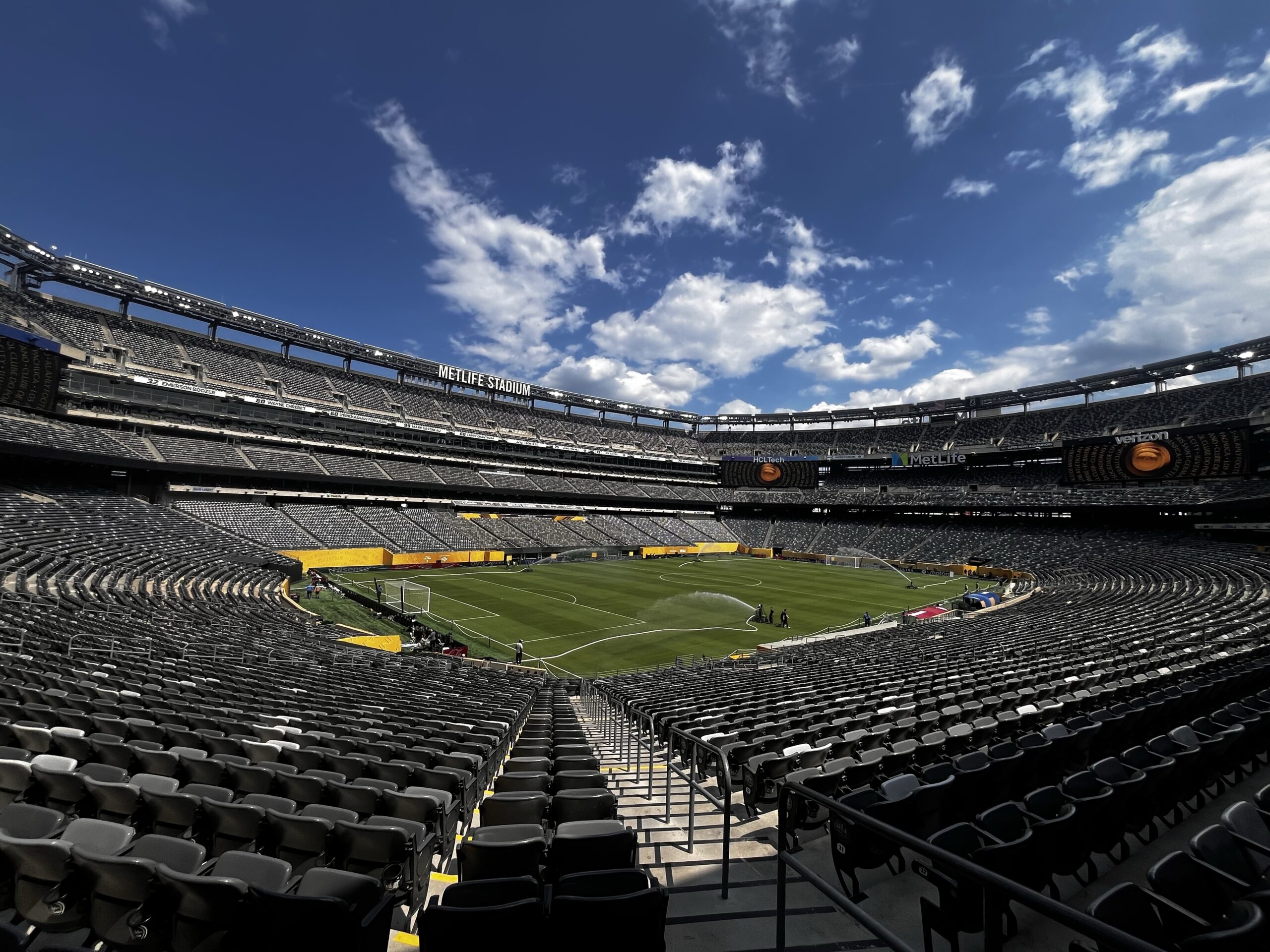
The 2026 FIFA World Cup: Scale Meets Spending Power
If UNGA represents concentrated value, the 2026 FIFA World Cup represents scale on a historic level.
Estimates suggest the tournament could bring between 1 million and 6 million international visitors to the United States alone.
These visitors are expected to stay longer and spend significantly more:
Average stay: ~12 days
Daily spending: ~$416 per visitor
Total trip spending: over $5,000 per international visitor
Moreover, more than 80% of visitors are expected to travel beyond primary host cities, distributing economic impact nationwide.
For the hospitality industry, this translates into elevated occupancy, increased average daily rates, and exposure to new international markets. Yet, despite these projections, early indicators suggest uneven performance. Some forecasts point to demand dispersion across multiple cities and longer event duration (39 days), potentially softening short-term concentration in individual markets.

A Fragile Recovery in U.S. Tourism
The World Cup arrives at a pivotal moment. Despite global tourism rebounding—reaching 1.45 billion international travelers in 2024, up 11.5% year-over-year the U.S. has lagged behind in recovery momentum.
International visits to the U.S. declined by approximately 6.3% in 2025
Some markets saw even sharper drops, contributing to billions in lost spending
The U.S. share of global tourism has fallen significantly over time, reflecting increased competition
Keskin points to a critical factor behind this trend: perception.
“Global travelers are increasingly sensitive to how accessible and how welcoming—a destination feels,” he notes.
Foreign Policy as a Market Driver
Visa policy, border controls, and geopolitical positioning now play a direct role in shaping hospitality demand.
Current data underscores the challenge:
Average U.S. visa wait times can reach 260 days globally, with some countries exceeding 600 days
Policy shifts and travel restrictions have contributed to declining visitor sentiment in key markets
In response, the U.S. has introduced measures such as expedited visa processing programs tied to the World Cup, including a “FIFA Pass” system to prioritize applicants.
However, these measures remain partial solutions.
“Accessibility is infrastructure,” Keskin emphasizes. “If travelers cannot enter efficiently, demand cannot fully materialize, no matter how strong the event.”
Balancing Security, Scale, and Accessibility
Both UNGA and the World Cup highlight a central tension: the need to balance security with openness.
UNGA requires highly controlled environments with diplomatic-level security
The World Cup will test scalability, potentially accommodating millions of visitors across 11 U.S. host cities
This dual challenge extends beyond logistics. It reflects broader policy questions about how the U.S. positions itself as a global destination amid evolving geopolitical dynamics.
Long-Term Value: Beyond Immediate Revenue
While short-term gains are significant, the long-term impact of these global events may be even more consequential.
Historically, large-scale international events:
Increase destination visibility
Stimulate infrastructure investment
Generate repeat visitation and business travel
For the U.S., the World Cup could act as a reset moment reintroducing the country to global travelers after a period of declining international arrivals.
A Sector Defined by Global Forces
For World Luxury Hospitality Investments, the convergence of diplomacy, mega-events, and policy signals a structural shift in the hospitality industry.
Success will depend not only on service and assets, but on understanding how foreign policy shapes mobility, perception, and access.
As Keskin concludes:
“Hospitality today is global by definition. And increasingly, it is policy-driven.”
About The Author