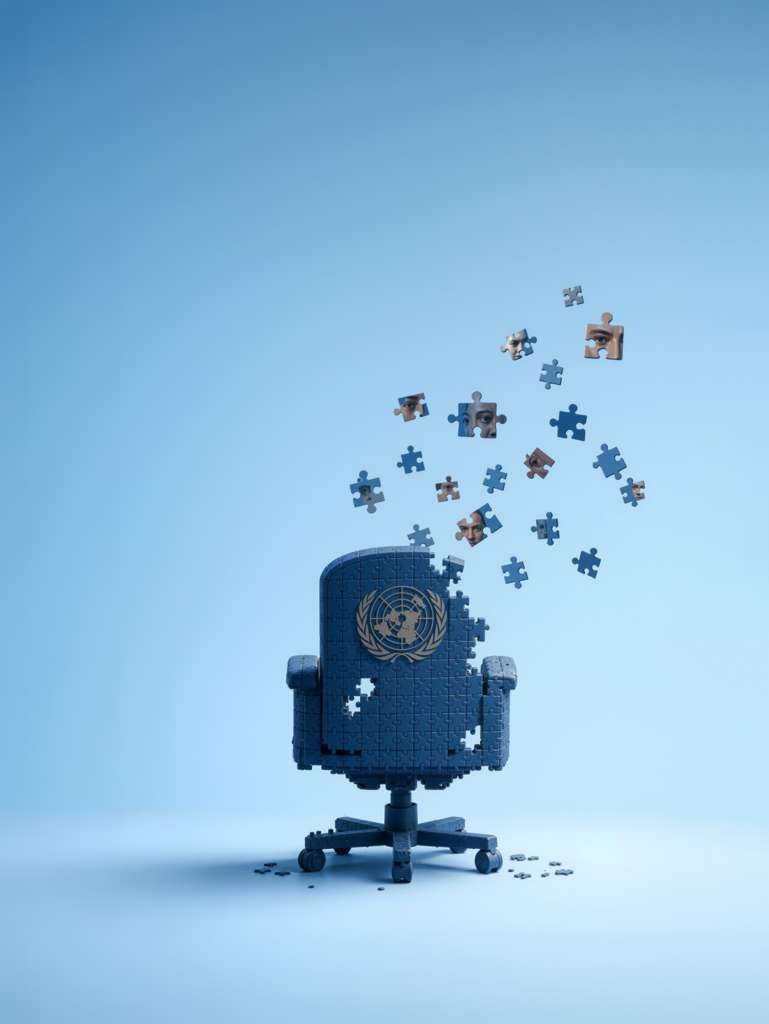
Reformers hoped geopolitical divisions would weaken the P5’s hold over the secretary-general selection. Instead, the veto powers are closing ranks.
The selection process for the new United Nations secretary-general is not just a competition between the individual candidates. It is also a contest for power among the UN’s member states.
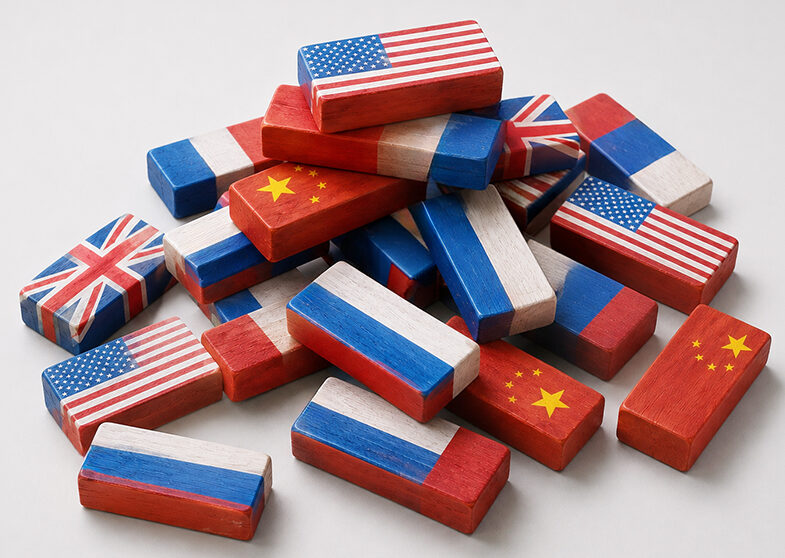
On one side of this contest are the five veto powers in the Security Council, who traditionally dominate the business of picking the UN chief. On the other are the other 188 members of the organization, who resent the fact that a small clique of states can control the process.
The UN Charter stipulates that the General Assembly appoints the secretary-general on the recommendation of the Security Council. Historically, this has meant that the Council settles on a candidate, who all veto powers must agree to, and the General Assembly rubber-stamps the pick.
After a period of diplomatic chaos in the Security Council over Russia’s war on Ukraine and the expanding Middle East crisis, many UN members feel that the veto powers have demonstrated that they cannot be trusted to choose a new top official for the organization. By contrast, representatives of the five permanent members (P5)—Britain, China, France, Russia and the US—see this process as an opportunity to reassert their authority over the UN despite their continuing strategic rifts.
Previous UN leaders have found that it is politically fatal to get on the wrong side of the P5. The Soviet Union cut off relations with the first secretary-general, Trygve Lie, forcing him to stand down early. China used its veto to block the fourth, Kurt Waldheim, from running for a third term, while the US forced out the first post-Cold War UN chief—Boutros Boutros-Ghali—after a single term, even though other Council members generally supported him.
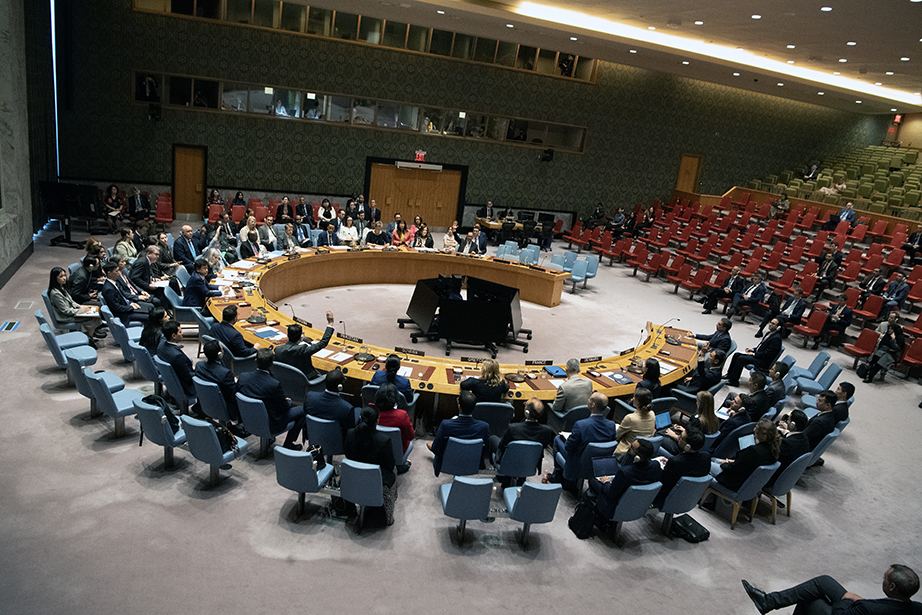
Incumbent António Guterres cultivated decent ties with all of the five during his first term from 2017 to 2021—paying particular attention to maintaining good relations with the first Trump administration—and was re-selected without a hitch. But he has since irritated Russia by criticizing its aggression against Ukraine, and Washington by condemning Israel’s campaign in Gaza.
Some diplomats in New York hoped that they could loosen the P5’s grip on the choice of Guterres’s successor for the simple reason that the five are profoundly divided. After Russia launched its assault on Kyiv in 2022, the ambassadors of the P5 suspended their regular meetings while Western diplomats were instructed not to fraternize with their Russian counterparts.
The five powers have restored diplomatic channels incrementally, and US diplomats have told colleagues from other P5 countries that the Trump administration would like to reassert the group’s predominance in UN affairs. The five have continued sparring over issues in the Security Council ranging from Ukraine Gaza and Iran, reinforcing other members’ doubts about their ability to steer the UN.
But when diplomats attempted to alter the terms of the secretary-general selection during negotiations in the General Assembly in mid-2025, they found that the P5 closed ranks.
Specifically, the reformers hoped to build on a limited process in making the selection more transparent in 2016, when the Assembly held formal hearings with the candidates for the first time. This time around, reformers floated ideas such as a call for the Security Council to propose more than one candidate for the General Assembly to choose from. As the think tank Security Council Report, which followed the process closely, has noted “the permanent members were united on most contentious issues” opposed all proposals that would curb their freedom to choose the candidate in the old-fashioned way. Only France showed a little flexibility in these negotiations, which ultimately delivered no real reforms to how the selection will play out this year.
Following these arguments, some elected members of the Security Council have speculated that the P5 could deliberately short-circuit the formal selection process altogether, and collectively agree on a candidate—perhaps even someone not officially in the race—and insist that the rest of the UN membership accepts them without debate. In private, P5 officials say that the veto powers are still not coordinated enough to pull off such a maneuver. Others worry that the P5 will not be able to agree on any one individual by the end of the year. What is clear, however, is that the five are not going to allow the rest of the UN membership to weaken their stranglehold over the process.
In recent months, diplomats and UN officials have begun to observe splits in how the P5 and other UN members see the role of secretary-general.
Most rank-and-file UN diplomats say that, in a period in which the UN system is under huge pressure and conflicts are on the rise globally, the next UN leader should be both an effective spokesperson for multilateralism and a skilled political mediator. By contrast, P5 officials have tended to play down the need for strong leadership and say they need a solid administrator.
Russia and the US have also poured cold water on proposals from other member states to encourage the choice of a first woman secretary-general, even though many diplomats and UN officials believe that this would create a surge of interest in the organization and its leader.
These competing views have left some UN officials worried that the P5 will deliberately select a dull and compliant secretary-general who will largely focus on internal issues. The veto powers, and in particular China and the US, have a range of tools to keep the successful candidate in line. Beijing and Washington are now responsible for covering almost half of the UN’s core budget (although the US is far in arrears) and can use this leverage to shape the secretary-general’s room for maneuver. And it is an unavoidable reality that, in an era of geopolitical competition, whoever becomes secretary-general needs the goodwill of the P5 to address crises.
But the P5 do not hold all the cards once the selection process wraps up. The wider UN membership can help or oppose the new UN chief’s proposals for institutional reforms. Influential middle powers can also back or block the UN’s peacemaking efforts. While the P5 continue to predominate within the UN system, their ability to shape events in many regions has declined significantly of late.
The next secretary-general, whoever she or he may be, will therefore need to walk a fine line—acknowledging the interests and prerogatives of the P5, but also looking for areas of cooperation with the wider UN membership. It will not be easy to juggle these demands. But if a secretary-general who ignores the P5 cannot succeed, a secretary-general who does not appeal to the rest of the world will look like a stooge for a small cabal of powers that cannot manage the UN alone.
Richard Gowan is the program director of global issues and institutions at the International Crisis Group.
About The Author