As Trump takes aim at international courts and Israel rejects allegations of genocide in Gaza, the Nobel Committee honors a jurist who has spent her career defending international law.
Of all the people Donald Trump and Benjamin Netanyahu would have wanted to see win the 2026 Nobel Peace Prize, Navi Pillay must have been near the bottom of the list.
That is precisely what makes this year’s award so politically significant.
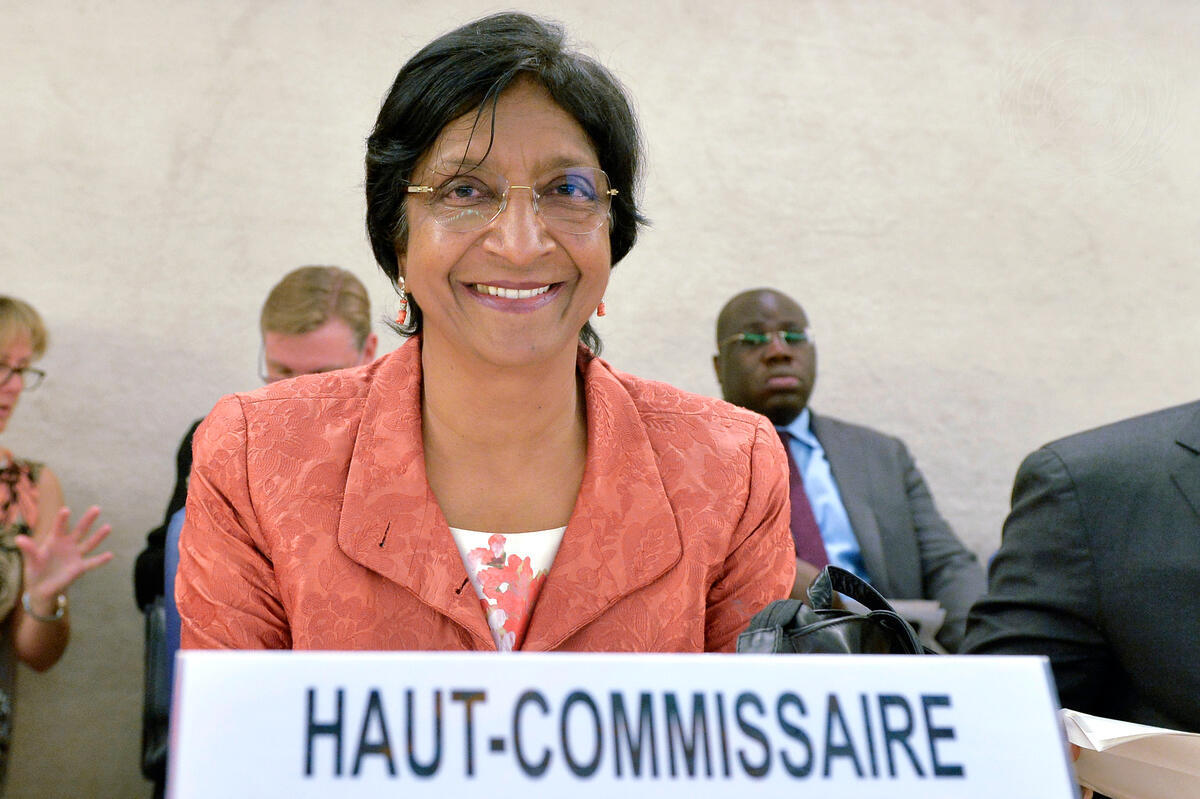
The Norwegian Nobel Committee has honored the 85-year-old South African jurist, a former judge at the International Criminal Court (ICC), former UN High Commissioner for Human Rights and, until 2025, chair of the UN commission investigating violations of international law in Israel and the occupied Palestinian territories.
Yes, that Navi Pillay: The woman who led the UN commission that concluded last year that Israel had committed genocide in Gaza, a finding the Israeli government categorically rejected.
Israel’s Foreign Ministry responded to the Nobel announcement with outrage, accusing the committee of a “grotesque weaponization” of the prize to legitimize anti-Israel hatred and prejudice.
But here is the irony: For years, Israel accused Pillay and her commission of bias. Yet Israel also refused to let her investigators enter the country.
I remember Pillay explaining this frustration at a UN press conference in June 2022. Her commission wanted to hear directly from Israeli victims, too. Israel would not allow the investigators in. Even after Hamas’s October 7, 2023 attacks, the restrictions continued.
How do you accuse investigators of refusing to hear your side while preventing them from conducting investigations on your territory?
Now the Nobel Committee has awarded its highest honor to the very woman Israel spent years trying to discredit.
This was no accidental controversy. The committee’s chair, Jørgen Watne Frydnes, explicitly acknowledged that Pillay’s work on Gaza was an important part of the decision.
The timing could hardly be more uncomfortable for Netanyahu.
Israel goes to the polls on October 27, less than three weeks after the Nobel announcement. Netanyahu faces an electorate divided over the war, the country’s security and its increasingly troubled international standing.
Will Pillay’s Nobel change Israeli votes? Maybe not. For Netanyahu’s supporters, it may reinforce the idea that the international community is biased against Israel. His opponents may see it as further evidence of the diplomatic damage his leadership inflicted.
But one question is becoming impossible to ignore: How does Israel rebuild its international reputation while its government continues to reject the institutions responsible for investigating alleged violations of international law?
Then, There is Donald Trump
The American president has repeatedly made clear how much he would like to win the Nobel Peace Prize himself. Instead, the Nobel Committee has honored a former ICC judge.
The contrast is striking. Only weeks ago, at the United Nations General Assembly in September, Trump launched a blistering attack on the International Criminal Court, portraying it as a hostile, out-of-control institution and urging countries to abandon it.
His administration has gone beyond rhetoric. Washington has imposed sanctions on ICC officials, while Secretary of State Marco Rubio has accused the court of corruption and politicization. On the very day Pillay received the Nobel, Rubio announced another round of sanctions against the ICC, declaring that the United States neither needs nor wants the court. “President Trump will never allow the International Criminal Court to prosecute Americans,” he insisted, attacking what he called globalist “experts” seeking to expand the court’s authority.
The ICC, of course, is the institution that issued arrest warrants for Netanyahu and former Israeli Defense Minister Yoav Gallant. Now Oslo has chosen to honor someone who helped build that same international justice system. The message could hardly be clearer.
This is not simply about Gaza. It is about whether international law means anything when the people accused of violating it are powerful enough to challenge the judges themselves.
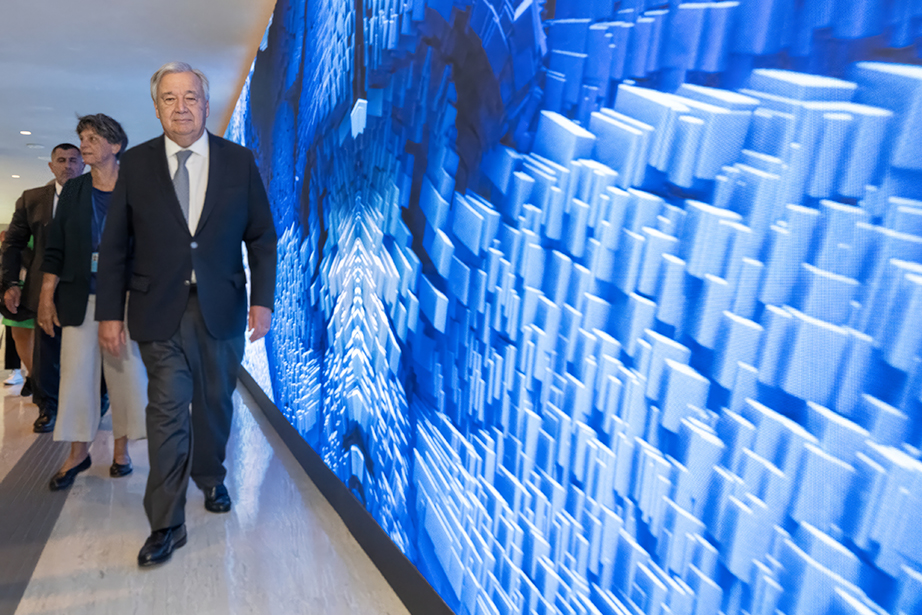
UN Secretary-General António Guterres reinforced that message, calling Pillay “a champion of international law and human rights, and a steadfast, independent voice of justice.” Congratulating the Nobel laureate, he praised her for demonstrating “that the force of law must prevail over the law of force,” adding that peace must rest on lasting principles, “not the will of the powerful.”
Pillay’s career makes that message especially powerful. Born in apartheid South Africa to a family of Indian Tamil origin, she became a lawyer defending opponents of racial segregation, including Nelson Mandela. She went on to serve as a judge at the International Criminal Tribunal for Rwanda and the ICC, and later became the UN’s top human rights official.
Today, she serves as an ad hoc judge in the genocide case against Myanmar before the International Court of Justice. Her work has never been confined to one country or one conflict. Her UN commission also documented war crimes committed by Hamas during the October 7 attacks, including the taking of hostages.
That is what the principle of universal justice demands: the same legal standards for everyone.
A Nobel Prize is not a court judgment. It cannot establish criminal responsibility, resolve the legal disputes over Gaza or compel governments to cooperate with international tribunals. But it can send a political message.
This one arrives at a moment when international courts are facing growing pressure from governments that would prefer to decide for themselves which laws apply to them.
For Netanyahu, the prize is another reminder of the international scrutiny surrounding Gaza. For Trump, it is a striking rebuke to his administration’s confrontation with the ICC. For everyone else, it raises a fundamental question: Are we moving toward a world governed by law, or one in which the most powerful simply make their own rules?
The Nobel Committee has made its position clear: hands off international law.
About The Author