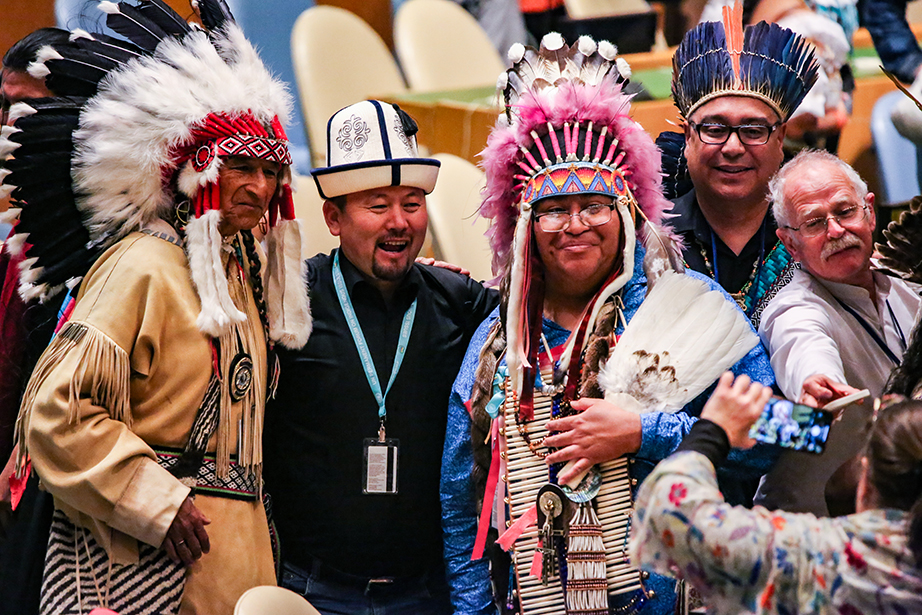
Ancestral governance meets state-led negotiation at the Permanent Forum on Indigenous Issues
As the United Nations prepares for the 25th session of the UN Permanent Forum on. Indigenous Issues, leaders heading to New York are getting ready for discussions extending far beyond ceremonial acknowledgment. The forum has become a strategic arena where they can debate questions of climate governance, land rights, resource extraction and institutional reform.
The upcoming session, which will take place from April 20 to May 1, offers a clear benchmark: whether Indigenous participation within the multilateral system can translate into measurable influence where it matters most: at negotiating tables, within text debates and interpretation down to finalization, and within financial strategies toward implementation. The challenges are there, and their repercussions seemingly never move, but the solutions move at a snail’s pace. Over these last few years, as the world emerged from the stillness of COVID-19 and entered a period of accelerated global change, the atmosphere within Indigenous negotiations has undergone a shift. There has been an increasing intensity, not necessarily in volume, but in density and forthright determination. What once felt largely consultative has become more grounded, deliberate, and intentional.
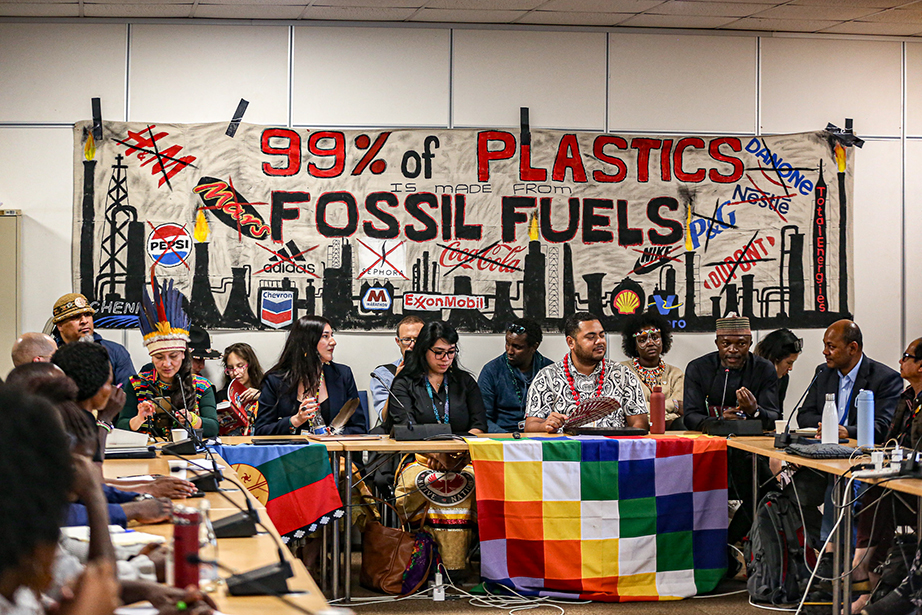
With geopolitical tensions rising and the principle of territorial integrity and sovereignty under renewed pressure in places like Greenland and Canada, negotiating at the UN has become increasingly difficult. For Indigenous people, whose territorial rights have been the source of constant struggle, this dynamic is nothing new: “Indigenous Peoples are rights-holders, not stakeholders,” Aluki Kotierk, chair of the UN Permanent Forum on Indigenous Issues told Envoy. “Indigenous Peoples have rights to their lands, territories, and resources, and States should provide legal recognition and protection for those lands, territories, and resources.”
As Indigenous leaders from around the world prepare to gather in New York, the range of issues before them is broad, but a central question runs through many of them: how to convert presence within international institutions into actual negotiating power. From territorial integrity to climate to finance, the Forum is likely to be packed with content and diverse voices. Still, the main challenge always remains navigating big-power politics that tend to overshadow Indigenous people’s dire needs.
Territorial Integrity and the Arctic
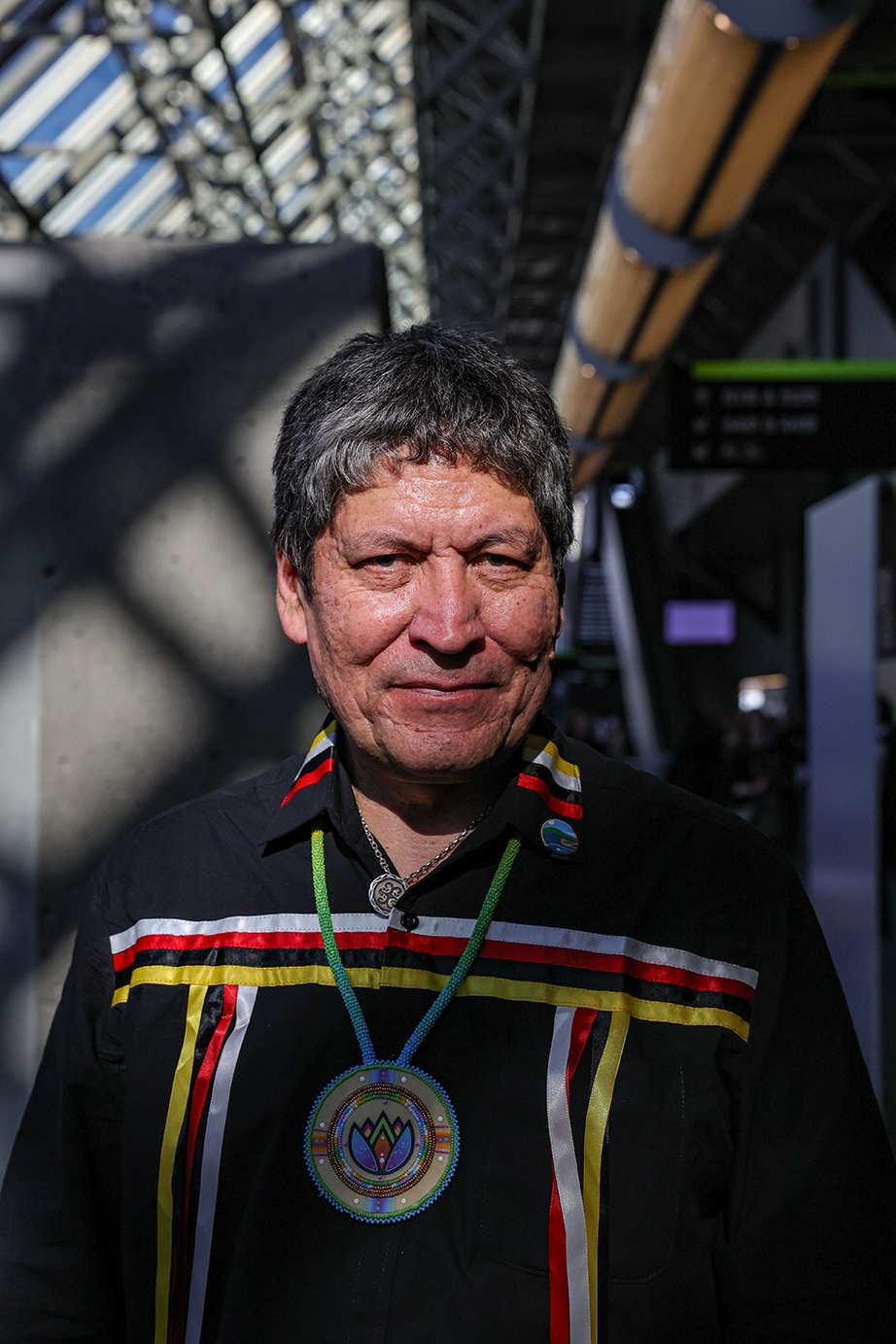
Recently, Canada and Greenland, an autonomous territory within the Kingdom of Denmark, have seen sovereignty return to the foreground, facing heightened debate driven by public statements touching on territorial questions. For Indigenous peoples, that pattern is not new. “We have seen generations of people build intergenerational wealth off the lands of resources and our territories where we have suffered intergenerational traumas,” Ken Paul, a member of the Wolastoqey Nation at Neqotkuk (Tobique First Nation) in New Brunswick, Canada, said in remarks provided to Envoy in an email. “But despite all of that, the resilience of our nation and our cultures, has put us into the position now that people are coming to our territories to ask for our traditional knowledge and indigenous knowledge, that is an extractive process, and I am not sure people know what that means, but it is a knowledge system.”
When negotiations turn toward sovereignty, territorial integrity, and security, the parameters of flexibility are more constrained. Territorial integrity, within this context, would be considered the insistence that borders and final authority are recognized as a sovereign state, with control over a territory assumed as a collective consent containing and maintaining international order.
Canada and Greenland are 26 kilometers (16 miles) apart at their narrowest point in the north, then separated by several thousand kilometers, sharing the waters from Baffin Bay down to the Labrador Sea. Greenland and Canada share ancestral Inuit histories that stretch across Arctic waters and vast landmasses, connected by lineage and by longstanding patterns of mobility and survival, yet their contemporary political positioning differs markedly.
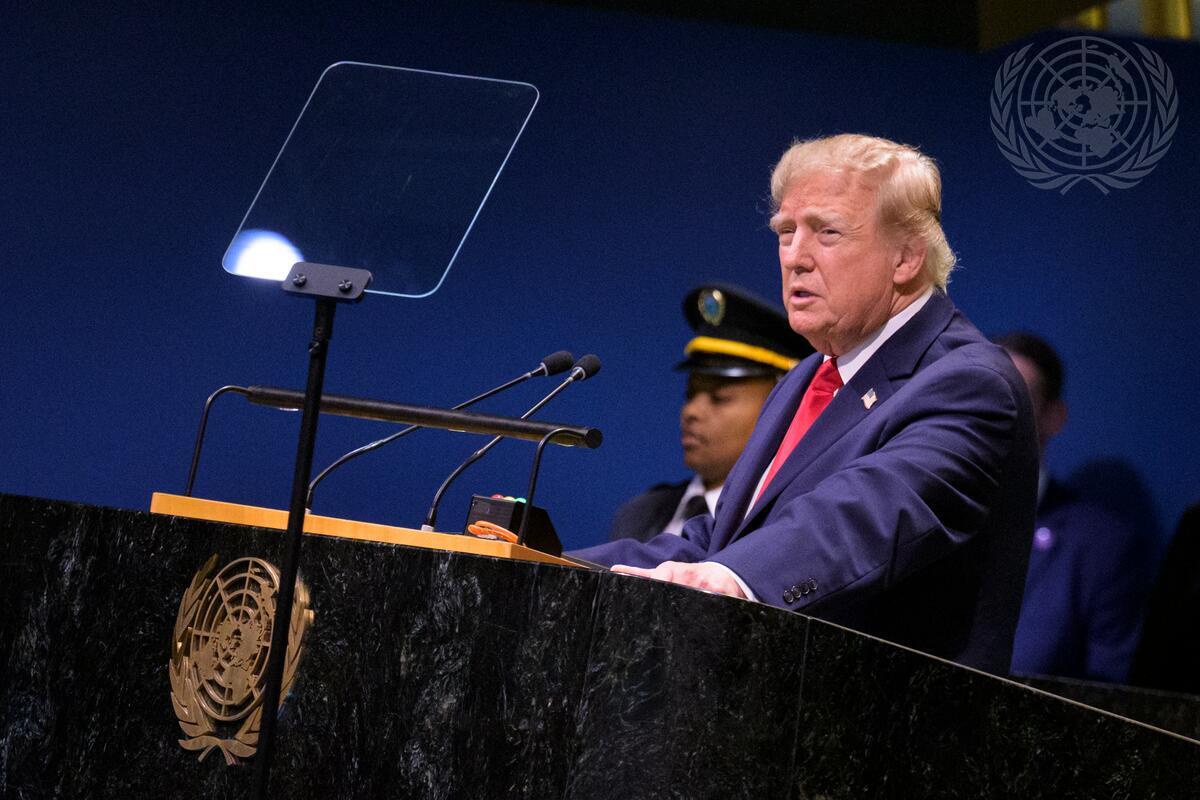
Greenland exercises domestic self-rule, but defense and foreign policy remain under Danish authority. During recent tensions, after US President Donald Trump suggested the United States could take Greenland by force, negotiations unfolded primarily between Denmark and the United States. While Greenlandic Indigenous voice was present, it did not particularly influence the outcome at the negotiation table, illustrating how state-based sovereignty continues to define the parameters of decisive negotiation.
Claire Charlo, a member of the Indigenous Environmental Network, said Greenland’s current challenge is less about visibility than about safeguarding local decision-making. “Greenland’s 2024–2033 strategy, ‘Nothing about us without us,’ places Indigenous leadership at the center as geopolitical competition intensifies, but limited diplomatic capacity and economic reliance on Denmark can leave Greenland exposed to outside pressure. The risk is procedural: decisions can move faster than local consultation and consent.”
Comparatively, Canadian Inuit operate within a constitutional framework that recognizes treaty rights and has, in recent decades, undertaken efforts to address historical injustices of the past. Indigenous representation is embedded within legislative structures, even if imperfectly implemented. While legal recognition is stronger, influence can still concentrate late, when budgets, deployments, and final language are decided.
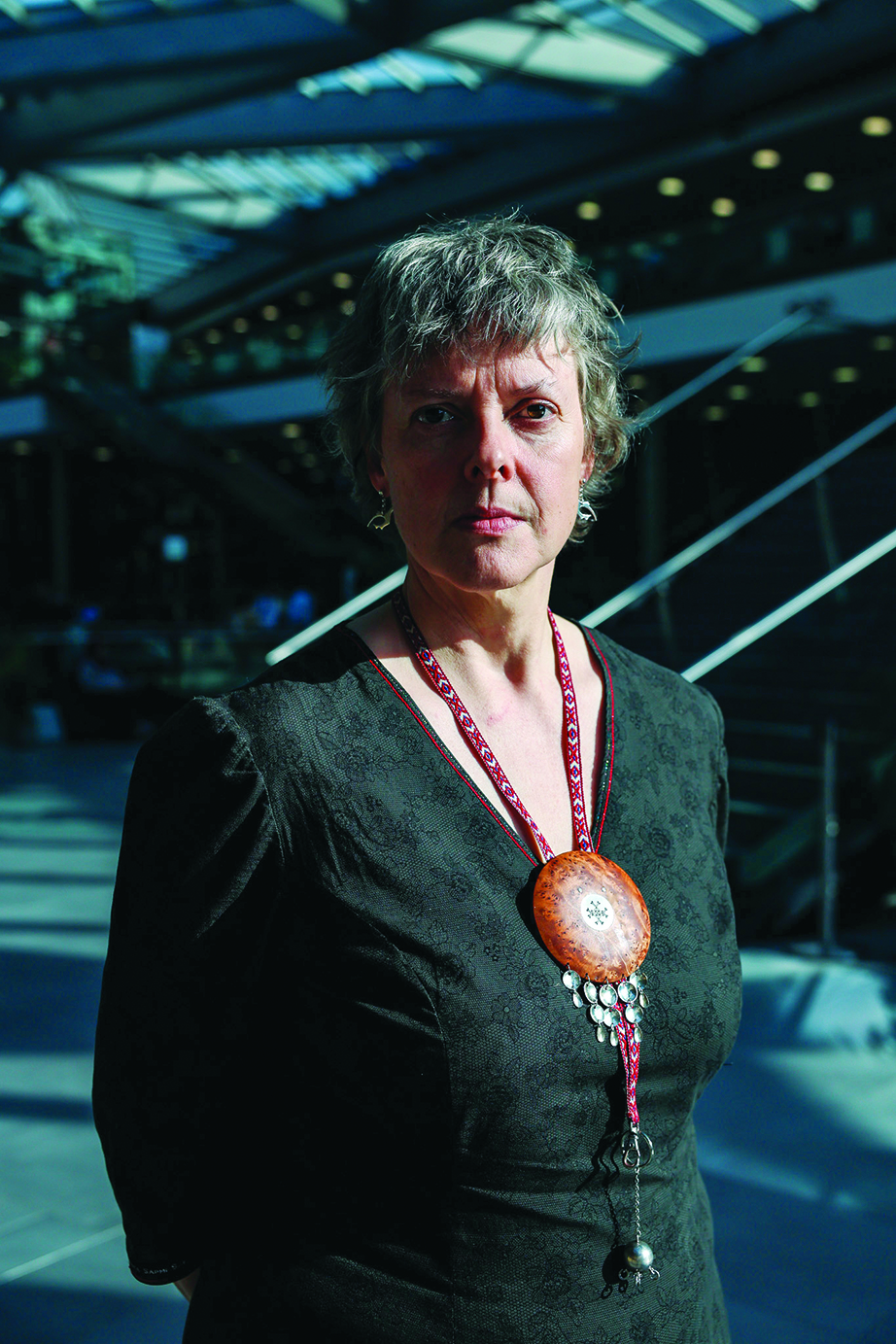
Another representative is Gunn-Britt Retter of Norway, head of the Arctic and Environmental Unit at the Sámi Council, who describes the shared foundations of the Sámi across Norway, Sweden, Finland, and Russia. “We are very different. But at the same time, the relationship between human and nature is similar,” Retter said.
As such, Indigenous people’s diplomacy does not necessarily show as one single story. The continuity is not uniform identity, but a shared logic of land and livelihood that enters negotiations in very different policy environments.
From the outside, these dynamics can appear too diverse and complicate clarity of allegiance within negotiations. Yet they would more accurately be described as a tension within vernacular and expression among the needs of ancestral governance versus modern policy. More often than not, the push toward greater inclusion intensifies as institutional reflexes revert into frameworks built for national protection. If the Forum offers a space solely dedicated to Indigenous peoples’ issues, one of the challenges remains to occupy other negotiation spaces at the United Nations, such as Conference Of The Parties (COP) on climate change and the Financing for Development process.
Negotiations and Representations
Climate and finance is where a lot of concerns close to Indigenous people’s heart collide. More than anything, some want to make sure Indigenous Voices are not on the margin but at the center of the discussions around climate, and especially climate finance.
“If negotiations are to be genuinely transformative, Indigenous governance systems must be treated not as advisory stakeholders but as rights-holders with co-equal standing,” Zakir Hossain, Founder and Head of Farmer’s Voice and a seasoned COP participant, said. “Without structural shifts in decision-making authority, the growing visibility of Indigenous participation risks remaining symbolic rather than substantive.”
At COP29 in Azerbaijan, negotiations stalled around finance, particularly the New Collective Quantified Goal (NCQG), intended for developing countries. As the disputed numbers fluctuated between $250 and $300 billion, a sensitive area centered on whether funding should be in the form of a loan or a grant and public funding leading to mitigation, adaptation and implementation strategies.
A walkout by vulnerable developing states then created a deadlock. Eventually, a deal was pushed through in the early morning hours, with briefings by 4 a.m. suggesting an agreement and insertion into the text for the $300 billion until 2035. Yet the outcome did not settle the issues. The text was implemented, but the feeling afterward was not clarity so much as unfinished business.
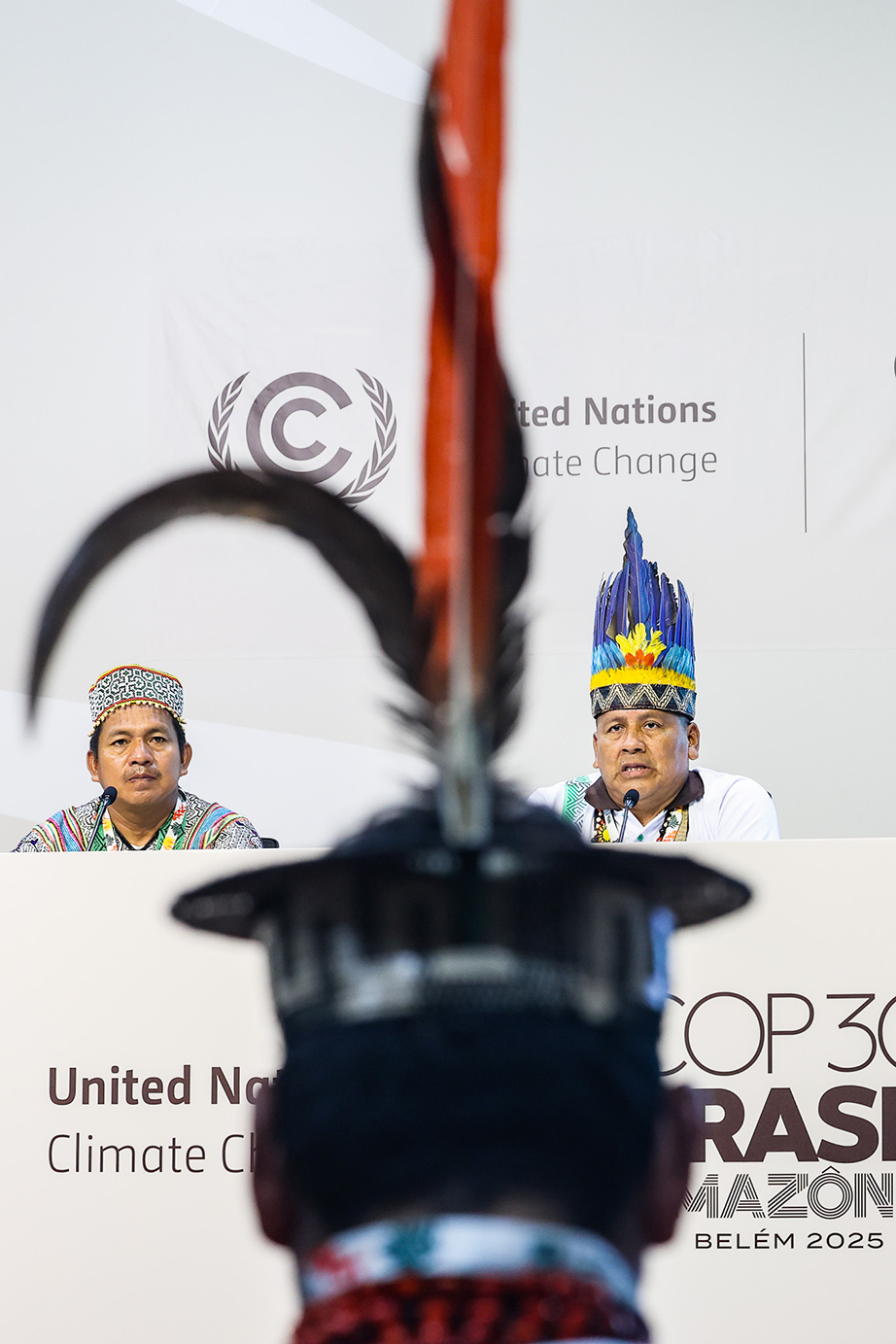
A year later, COP30 in Belém addressed the issues but was more actively productive. Because the conference took place in the Pará state of Brazil, in the Amazon region near the mouth of the Amazon River, it drew one of the largest Indigenous representations ever seen at a COP. Outside the formal venue, close to the Guajará Bay, the People’s Summit created a parallel arena where Indigenous and local communities articulated priorities collectively, on their own terms. Later in the week, inside the official COP30 venue, Indigenous representatives held a People’s Plenary within the very plenary hall of COP, a gesture reflecting recognition of the need of Indigenous inclusion and a platform to be heard. Still, as the event carried on, it was evident that the room can be full of Indigenous leadership and civil society, while decisive drafting can still happen elsewhere.
In contrast, the same procedural question followed beyond the COP arena. The Fourth International Conference on Financing for Development at the end of June 2025 could not have come at a better time. It underscored how negotiation leverage is shaped by economic positioning. African participation was central, with delegations negotiating around financing terms, fiscal space, and the balance of obligations that defines who can act, and at what scale.
Broadening Space
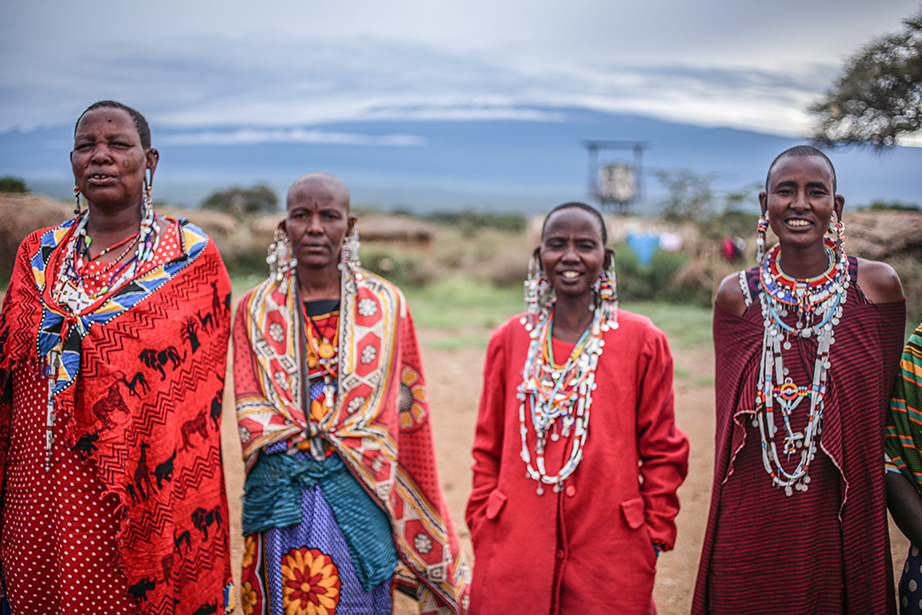
Indigenous peoples are not a single bloc, and that diversity shapes the range of perspectives brought to UNPFII. Even so, collective action can create diplomatic continuity around shared concerns such as land, territory, resources, conservation, community and planetary health.
It is that difference and collectiveness that makes the Permanent Forum worth watching this year, many leaders said. Not for declarations, but for whether Indigenous positioning at the table continues to shift from presence to consequence, where rights language becomes financing design, and where consultation becomes something closer to shared authority.
This year is a transformative year for the UNPFII, entitled “Ensuring Indigenous Peoples’ health,” Kotierk states it is a transitional year, “with many new experts and a strong majority of women members, which matters in the context of the adoption of CEDAW General Recommendation No. 39 in 2022.”
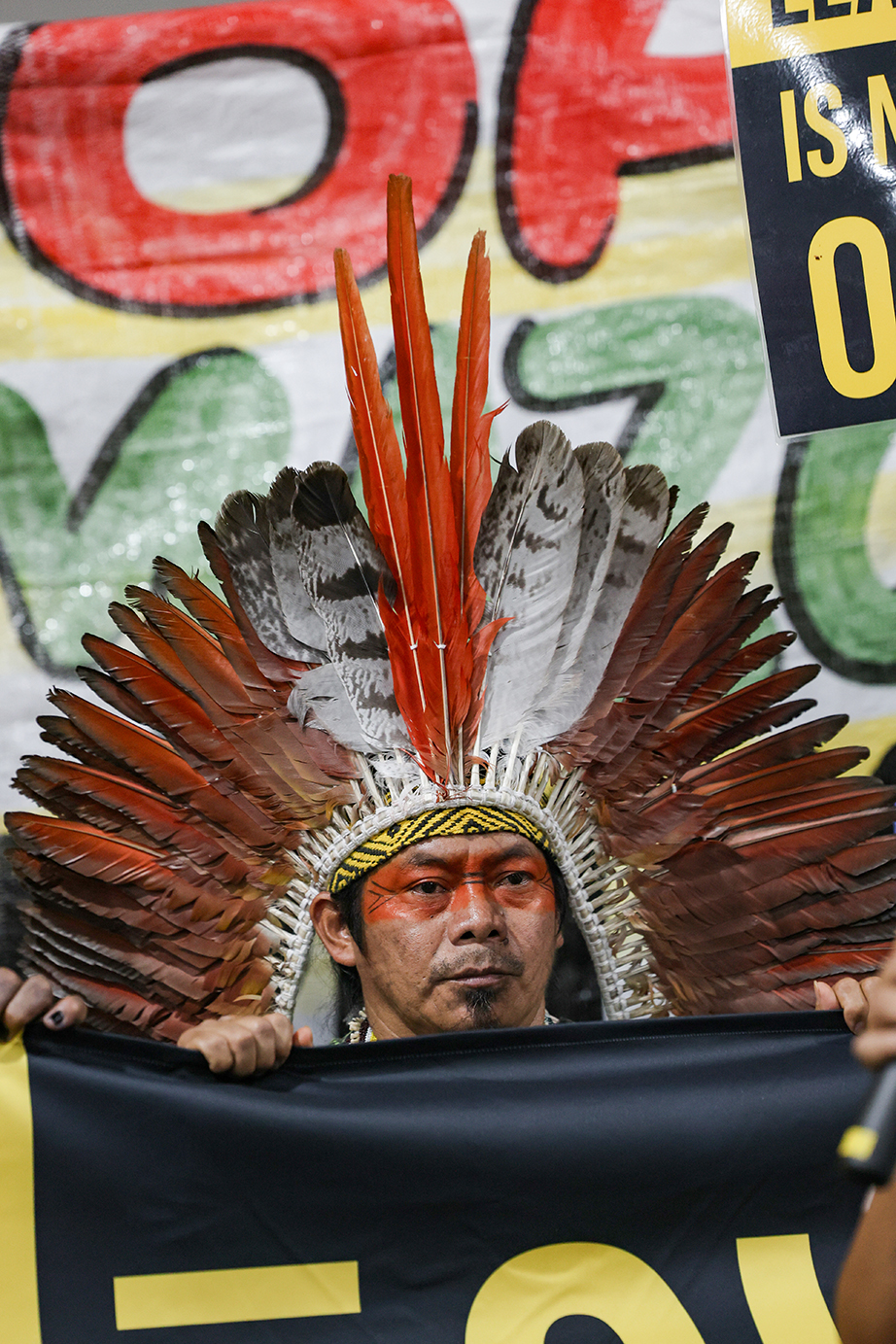
Beyond the more traditional issues, some Indigenous leaders also want to push for their voices to be heard also on more contemporary challenges. “Watch Indigenous engagement on AI at UNPFII,” Hindou Oumarou Ibrahim, Co-chair of the Indigenous People’s Forum on Climate Change, told Envoy. “We are still pushing for a seat in negotiations, but AI is moving fast and Indigenous voices are being sidelined. The priority is Indigenous stories and knowledge staying Indigenous-led and Indigenous-owned.”
Around the world, systems are being tested at their pressure points. In this particular moment, territorial integrity and security decision-making around states collide where, maybe, they don’t have to. As Indigenous diplomacy has become more technically fluent and more present, what matters this year is not only who speaks, but what makes it into negotiation texts, financing design, and implementation.
The indicators are there, but the question is whether Indigenous positioning at the table holds when authority concentrates, or becomes more visible and inclusive when agreements are made. In the case of Indigenous Peoples, the act of inclusion is expected, with the ancestral governance that Indigenous communities yearn to reestablish in modern context and within their own reformations.
About The Author