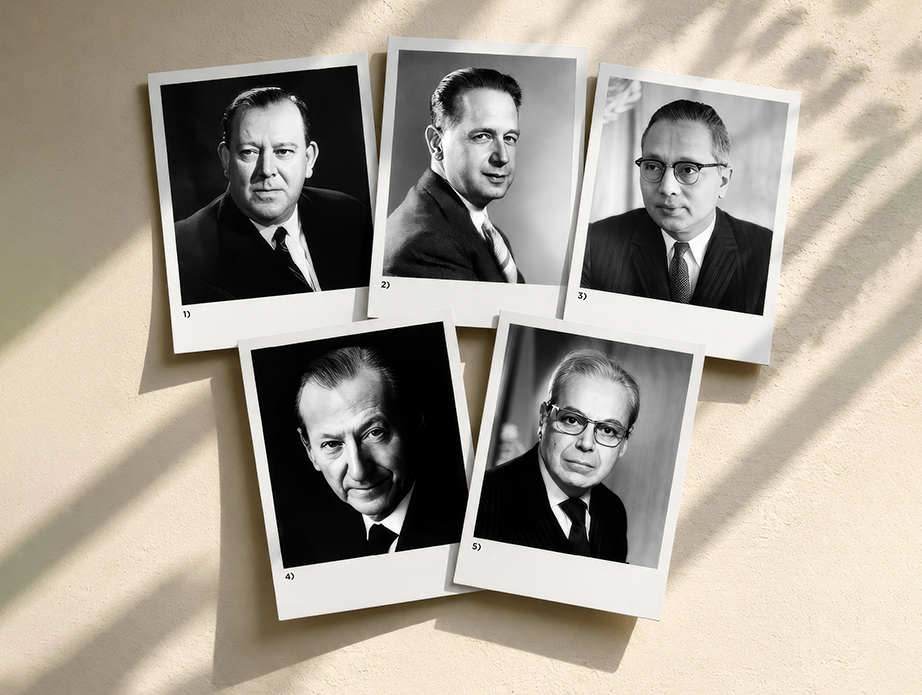
The contest to choose the next UN secretary-general is expected to hinge on gender, geography, and power politics. But another question is hovering over the race: how much should age matter?
Like the sea levels, the age of world leaders has risen significantly over the last five decades and continues to do so, even at the United Nations. Across the continents, countries are governed by a gerontocracy, where power is held by those much older than the general population.
According to The Economist, over the last five decades, the average age of world leaders has risen from 55 to 62. The global population’s average age has also increased, but not as much. In 1952, it was 29; today it is 32.
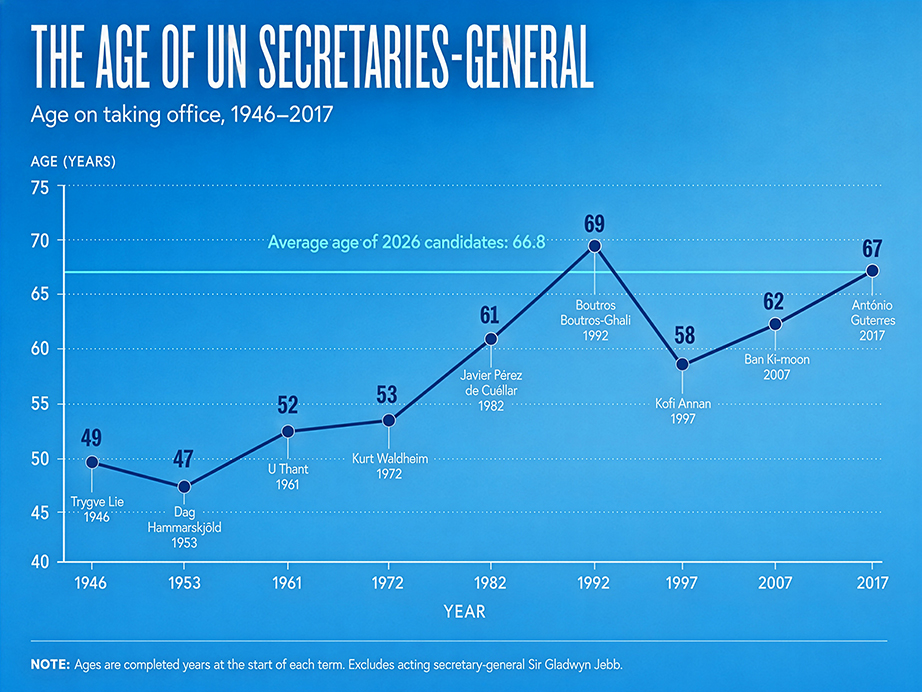
The secretary-general’s age has gone up with most appointments. The first two appointees, Trygve Lie and Dag Hammarskjöld, were in their 40s at the start of their terms, aged 49 and 47, respectively. From 1982 onward, excluding Annan, each secretary-general was over 60. Annan was 58 when he entered and 68 when he left.
The average ages of UN chiefs in the twenty-first century, including Annan, Ban Ki-moon, and Antonio Guterres, are higher than the overall average of 58, from 62 at the start and 72 at the end. The age of each twenty-first-century secretary-general has increased with each new term, with Guterres, at 77, being the oldest.
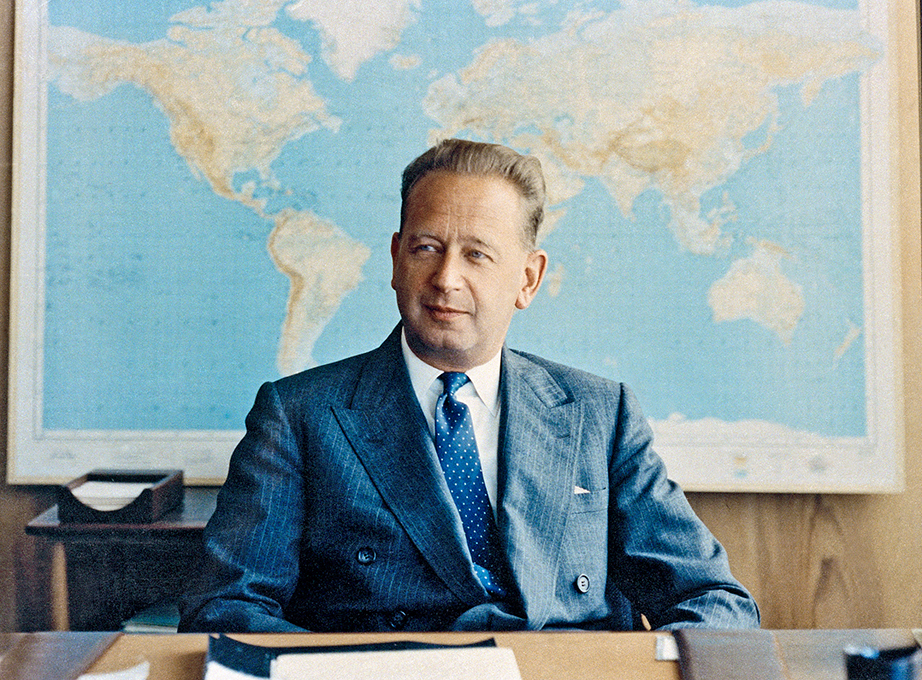
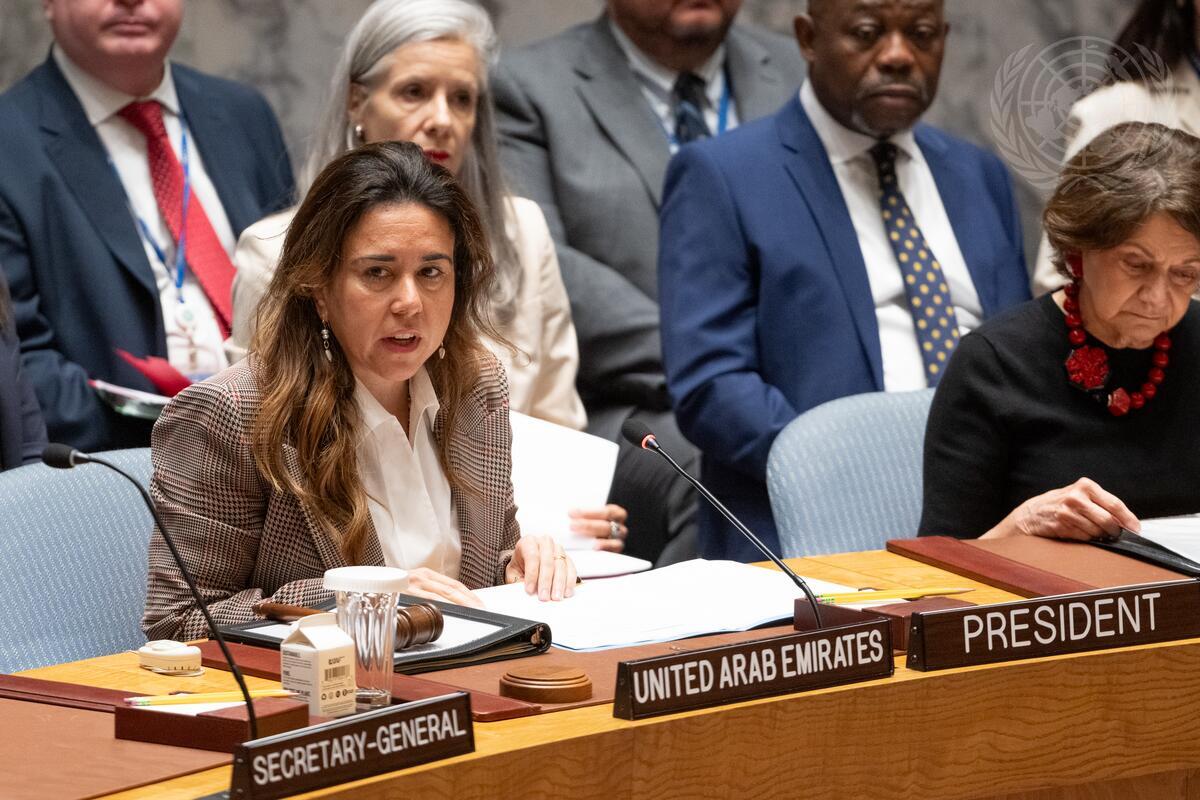
Credit: UN Photo Archives JO
The upward trajectory continues among the five candidates campaigning to be the next secretary-general, a position Lie, the first UN leader, described as the most impossible job in the world. Of the five candidates running this year—Michelle Bachelet, Maria Fernanda Espinosa, Rafael Grossi, Rebeca Grynspan and Macky Sall—only Espinosa, at 61, is below that average. There is no formal requirement regarding a secretary-general’s age. Ironically, while the age of secretaries-general keeps rising, UN staffers face a mandatory separation. The age is set at 62; however, those who started prior to January 1, 1990, have the option to separate at 60, while heads of departments can extend the age limit until 65. Since the UN’s start, the retirement age of staffers has risen five years, while the actual age of the secretary-general has risen almost 30. [Carolyn Rodrigues Birkett and Olara Otunnu announced their candidacies after this story was drafted.]
“The age of world leaders in general has been increasing much more than one would expect just in terms of life expectancy increases, both in terms of democratic and authoritarian leaders,” said Michelle Benson, an associate professor in the Department of Political Science at the University at Buffalo. “The age of the secretary-general has been increasing over time; among the current nominees, the average age is even higher.”
While coverage of this year’s race focuses on gender and the next UN chief, the trend for gerontocracy among world leaders has raised a new question; at what point does a candidate’s age become as much of a factor as their experience, expertise, and wisdom? Especially at the UN, where a secretary-general’s portfolio includes wars, financial crises, and an unending need for institutional reform, while championing social issues around the world.
“I want to acknowledge first that ageism is a real concern and that I do not want to add to that kind of discrimination. The research on age and leadership is more complex than conventional wisdom suggests,” wrote Daniel Safran-Hon from Zurich. He consults on international relations and the UN after serving in several positions in the executive office of the secretary-general.
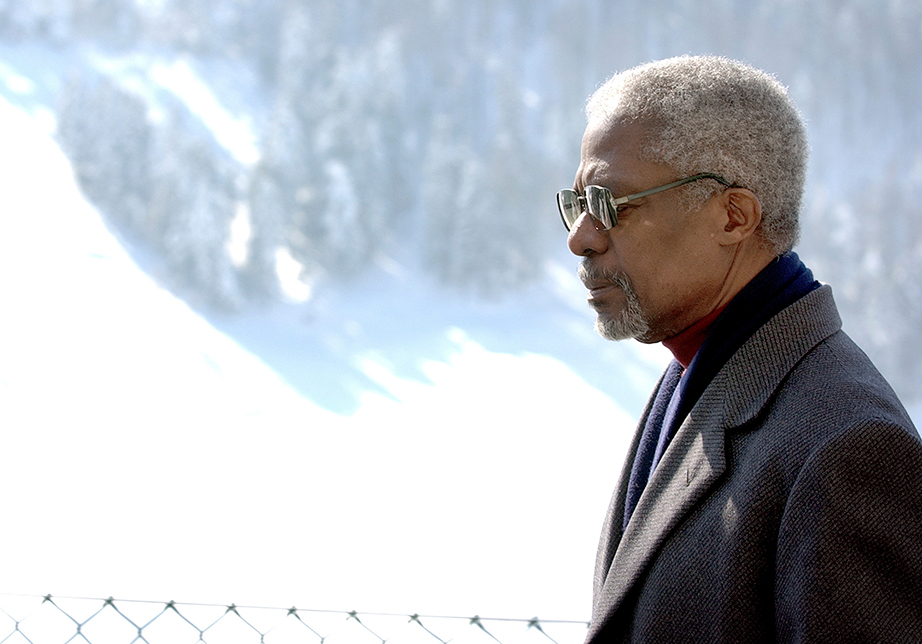
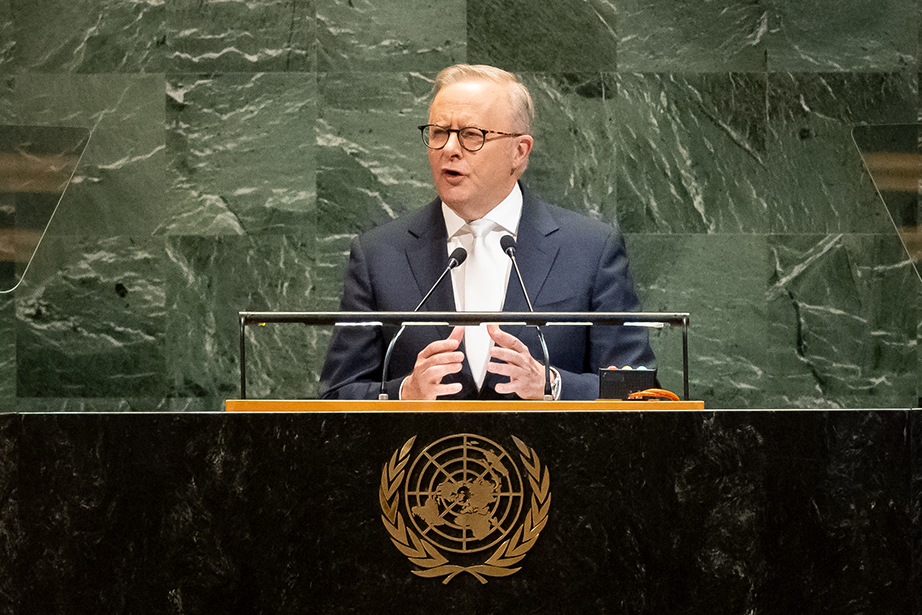
Credit: UN Photo Archives Jean Marc Ferré
Both The London School of Economics and The Economist found that in democracies, leaders are slightly younger, in their late fifties to early sixties, yet still older than the general population. The oldest leaders are in autocracies and failed states, while the youngest populations are in the developing world.
“Age should not be a factor in selecting a secretary-general. There are young people who lack energy and wisdom, and older people who have both in abundance. People are living longer and healthier lives than any previous generation,” said Safran-Hon.
What We Know: Age and Politics
This disconnect can lead to less political participation among the younger population due to exclusion and disenchantment.
Additionally, according to the 2022 New York Times article “Why Young People Don’t Vote and What to Do about It?,” young voters are engaging in other methods of political participation over voting. Politically active youth are more likely to engage online, sign petitions, and protest rather than vote. The participation pivot increases opportunities for older leaders to coalesce power. The University of Cambridge found a negative correlation between age and dissatisfaction with democracy—younger people were more dissatisfied with their political leaders.
“This is an enormously demanding job, and I guess what is the most important though, for an effective leader in addition to being able to do the job physically as it requires long hours and extensive travel, is the ability to be a statesperson,” Benson said. “One of the secretary-general’s most important tools is persuasion; they need to be able to build relationships and have established relationships both inside and outside of the UN.”
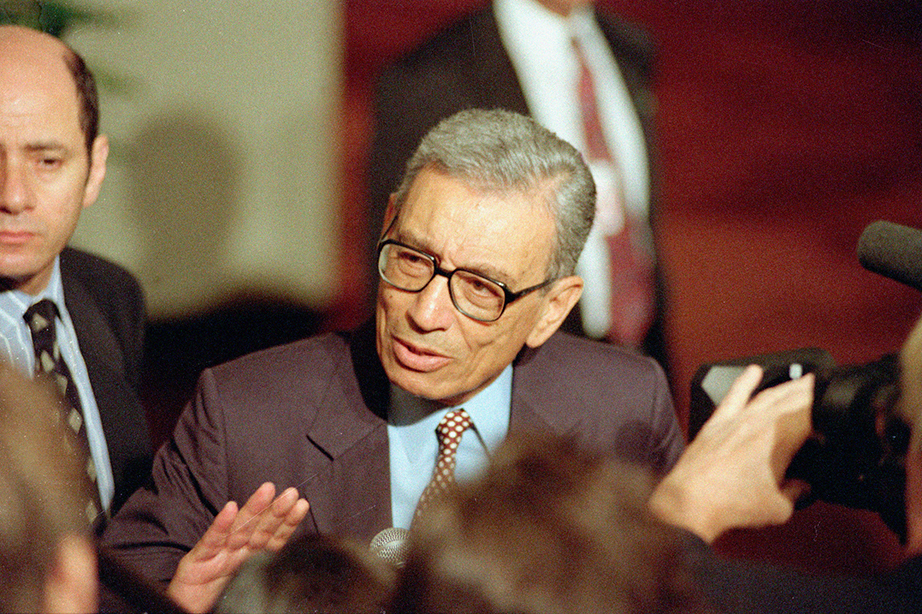
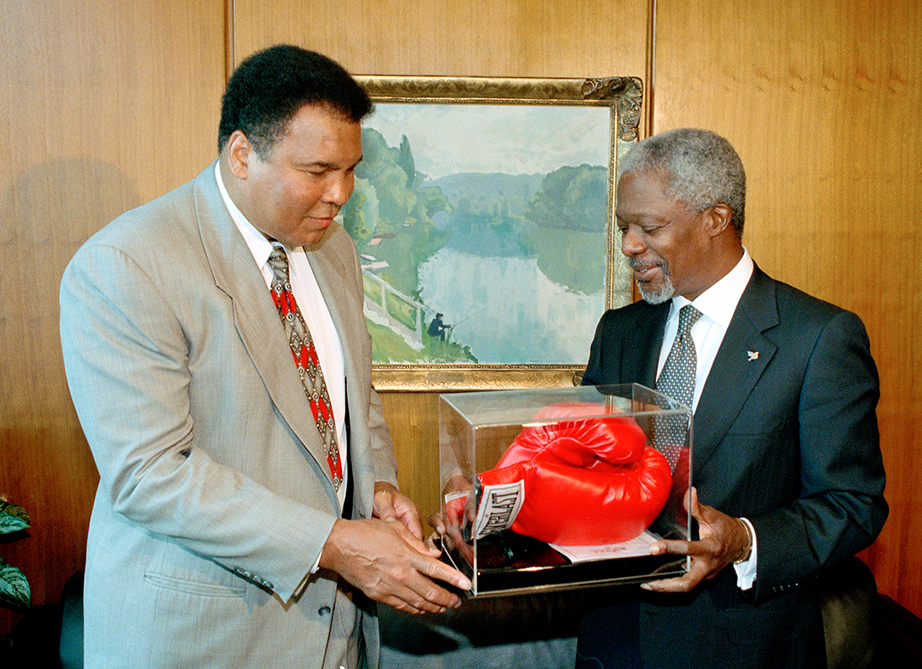
Credit: UN Photo Archives Michos Tzovaras
Guterres, the current and oldest secretary-general, faced multiple crises, from financial hardships to conflicts involving permanent Security Council members, during his term. In addition to outside conflicts and financial crises, Guterres also faced repeated demands for internal reform at the UN.
Reactions to Guterres’s job performance are mixed. Several sources interviewed for this article, who requested anonymity to discuss internal dynamics candidly, described him as “grumpy,” “wildly unpopular,” and unable, in their view, to connect with younger staff or sustain the pace required by the job. Others argued that such criticism overlooks the scale of the challenges Guterres has faced, casting his tenure as one shaped more by external pressures than by inertia. “Guterres has tried all of it, all levels of diplomacy,” said UN expert Natalie Samarasinghe. “You can criticize him for many things, but not the lack of space the UN has. This is a make-or-break moment for the United Nations. It’s apt that we say it’s the hardest selection process ever.”
While the age of leaders has been steadily rising for decades, scrutiny of a leader’s age has intensified in recent years. During the 2024 US presidential campaign, the perceived cognitive decline of then-President Joe Biden, 81, influenced his party’s mid-campaign candidate switch.
Trump won against Biden’s replacement, Kamala Harris, who was 60 at the time. With his election to a second term, Trump, 78, became the oldest person elected as president of the United States, just five months older than Biden.
Trump is not the oldest world leader. That honor goes to Paul Biya of Cameroon, serving his eighth term as president at 93. Before becoming president in 1982, he was prime minister from 1977 until 1982. Nonagenarian Biya leads one of the youngest countries; the average age of a Cameroonian is 18. When power remains with one leader for so long, succession becomes an issue.
This is highlighted in Torrey Taussig’s commentary for the Brookings Institution: “Once power has been consolidated, the leader will seek to eliminate able and ambitious competitors who could threaten his rule. This strategy, while effective in the short term, hollows out the leadership funnel in the long term.”
This is evident in both Biden’s party in the US, which is searching for replacements for retiring elder politicians, and Biya’s ruling class in Cameroon, where infighting has begun among those aiming to be his self-appointed heir.
According to the American Brain Foundation, as humans age, brain activity and function decline, but at a non-uniform rate. Without delving into the depressing parts of aging, every brain loses volume, causing cognitive issues affecting memory and problem-solving. The brain decreases production of dopamine, serotonin, and other messenger chemicals that control emotions and memory.
The article “Leader Age, Regime Type, and Violent International Relations,” in the Journal of Conflict Resolution, found that world leaders are more likely to escalate military conflict as they get older, rather than seek peaceful resolution. This is higher in autocracies than democracies.
Citing conflicts from the French Revolution to the Arab Spring, Tiziana Leone, a London School of Economics professor in the Department of Social Policy, said that it’s usually young men, generally between 15 and 25, who drive conflicts.
“High conflicts are also socially driven, and the main narrative is age structure with a youth bulge, driven by factors like increasing unemployment and social unrest. Youth, men generally, are more likely to have a kind of impetus toward revolutionary actions,” Leone said.
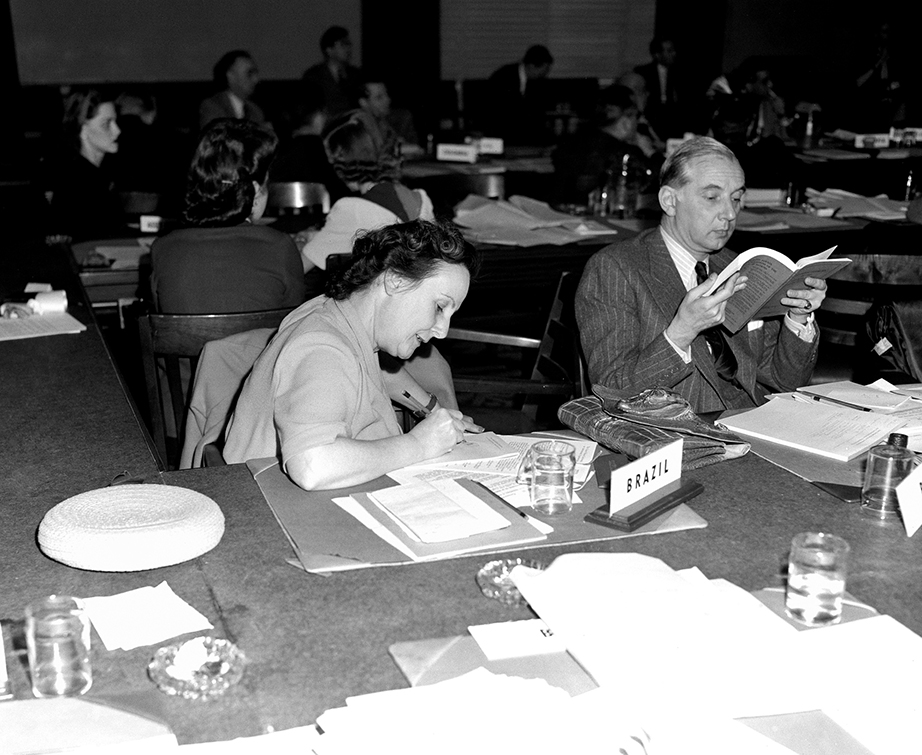
Credit: UN Photo Archives Milton Grant
Safran-Hon used king Charles III, 77, as a caution against uniformly assessing leadership by age, adding, “My concern is not that someone is too old or too young to be a candidate. My concern is that if they end up losing their acuity and energy, they recognize it and step down.”
The British King, on a recent visit to Washington, DC, held what is generally considered a masterclass in diplomacy as he repeatedly, yet suavely, pushed back against US President Trump’s more controversial policies. While he has no governmental duties beyond state visits, Charles still serves as a representative for the United Kingdom. Charles may have learned both his high-functioning tact and dedication to his position from his mother, the late Queen Elizabeth II, who had public engagements 48 hours before her passing.
While advanced age has recently become a focus, there remains a double standard between the scrutiny applied to older and younger politicians. Sanna Marin, a former Finnish prime minister, faced intense scrutiny in 2022, when leaked videos of her dancing at a private party were deemed inappropriate. While ultimately cleared of an official inquiry into any misconduct, Marin and her party would be out of office and replaced by a further right-leaning government in 2023. Her departure from office shows how gender and age together can create a double standard that negatively affects women.
By contrast, several sites track the US president’s golf days to total time in office, illustrating how older male leaders are given more leniency, even in leisure. As of mid-May of 2026, Trump has golfed 108 out of the 481 days he has been in office.
Credit: UN Photo Archives
When she became prime minister in 2019, Marin was the youngest world leader at 34. She joined President Emmanuel Macron of France, Justin Trudeau of Canada, Kaja Kallas of Estonia, and Ana Brnabić of Serbia as young leaders opposing the growing gerontocracy. Senegalese President Bassirou Diomaye Faye, a former opposition leader, took office in 2024 at the age of 45.
Like younger politicians of the last decade, some younger candidates have challenged for the secretary-general position. Outsider Arora Akanksha, a UN staffer, ran against Guterres in 2021, when she was 34. In 2016, Vuk Jeremic, a 40-year-old Serbian politician and former president of the General Assembly, ran as the youngest candidate and came in second to Guterres.
Ageism and sexism coalesce to hinder the roles of older women, a joint report between the AARP and the UN found in 2022. The three women in the running for the position, Bachelet, Espinosa, and Grynspan, face a steeper climb to the 38th floor of the Secretariat. While older women are often expected to assume caregiving roles, their extensive experience and proven leadership on the global stage represent significant strengths. Yet despite these accomplishments, they may still encounter age-related biases that their male counterparts are less likely to face.
According to Benson, while all of the women running for secretary-general are older than the average age of the position in the twenty-first century, or even the men they are running against, their experience—both institutionally at the UN and outside of it—is extraordinary.
Credit: UN Photo Archives Eskinder Debebe
“These women have some really deep experience within the United Nations,” said Benson. “These are really impressive candidates. But women always have an uphill battle.”
Who should be the next secretary-general? Someone old, young, or a late-40s-early-50s politician, like those first secretaries-general? Does gender matter? Is there someone like U Thant, a career diplomat who rose to the position after the sudden death of Hammarskjöld but filled the position with grace and grit?
“The ideal candidate for me would be a woman from South America or Latin America, who could speak truth to power, who would be trusted by big states to come into the room, as we say in England, play a straight bat, not have ulterior motives, but try to prevent conflict and suffering,” Jordan Street, a UN expert at the peacebuilding independent international organization Saferworld, told Envoy in a video call. “And I just don’t know if that candidate exists.”
About The Author