From climate negotiations to diplomatic mediation and the UN Security Council, smaller countries are turning coalitions, geography and multilateral institutions into power—just as great-power rivalry threatens the rules that protect them.
In a world once again being shaped by coercion, military power and spheres of influence, small states would appear to have the most to lose.
The United States’ January operation to capture Venezuelan President Nicolás Maduro and President Donald Trump’s repeated demands for American control of Greenland have sharpened an old question: What protects a country when a more powerful state decides that sovereignty is negotiable?
The vulnerability of small states is often treated as an axiom of international relations. More than 2,400 years after Thucydides observed that “the strong do what they can and the weak suffer what they must,” the assumption remains that smaller countries have little choice but to accommodate the powerful. But small states are not as powerless as they appear.
Despite the ongoing crises marring international institutions and the world order, the multilateral system developed over the past several decades nevertheless gives small states more power than ever before—if they use it strategically.
Four Ways to Play Big
The historic runs of Curaçao and Cabo Verde at the 2026 FIFA World Cup have offered a masterclass in how small states can mitigate structural disadvantages and maximize the utility of limited resources. In this case, the two island nations used ‘soccer diplomacy’ in order to compete with significantly more powerful rivals. In soccer just like in international relations, small countries get more chances to win if they use their unique strength strategically.
Small states generally compensate for their limited military, economic or demographic weight in four ways. They join international institutions that amplify their voice and protect their interests. They exploit advantages that geography or natural resources give them. They build coalitions with other states that share their priorities. And they maintain relationships with multiple larger powers rather than becoming wholly dependent on one.
Singapore, for example, helped establish the UN’s Forum of Small States, creating a platform through which smaller countries can coordinate positions and increase their collective diplomatic weight.
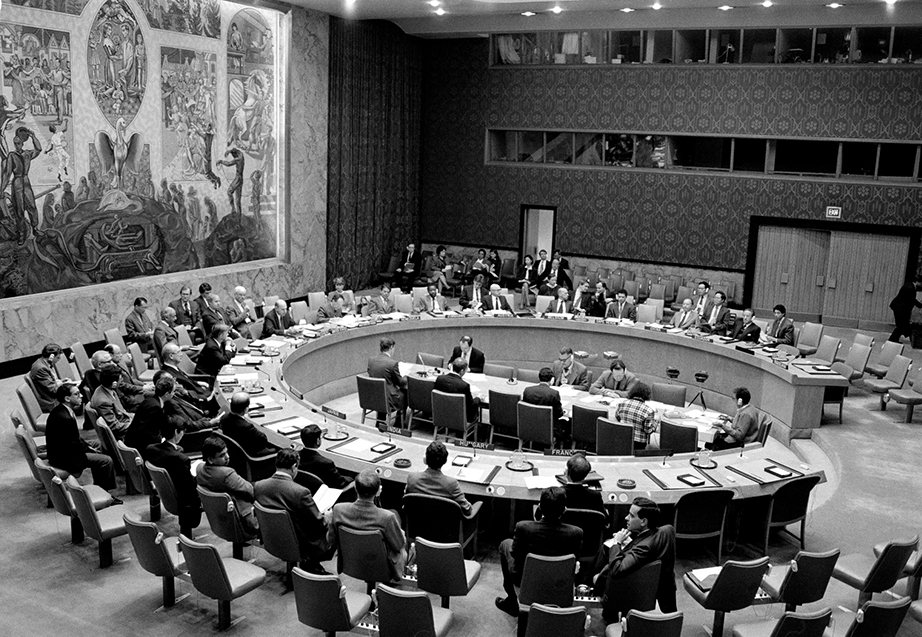
For all states, membership in international organizations is commonly perceived as a sign of recognition of sovereignty. This is particularly true for small states. International organizations and consensus-based organizations, such as the North Atlantic Treaty Organization, appeal to small countries for, at least, the following reasons: their representation of formal equality among member states, the potential security membership can provide, their potential capacity to restrain great powers and project power by directing the strength of organizations toward nationally important issues.
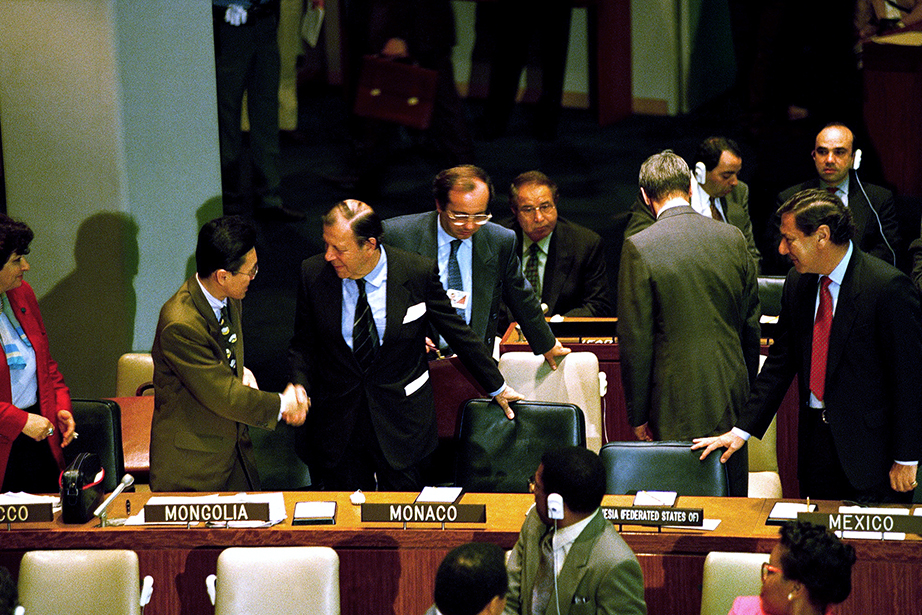
Even the smallest of states have sought UN membership in order to reap the merits of global cooperation—Liechtenstein, San Marino, and Monaco serve as examples: In 1920, Liechtenstein’s application for membership in the League of Nations was rejected on the grounds that the country lacked “the attributes of sovereignty.” However, decades later, in 1990, when the international community turned towards accepting micro-state claims to equal sovereignty, Liechtenstein became the UN’s smallest member. San Marino and Monaco subsequently joined the UN in 1992 and 1993, respectively.
Membership in international organizations is often viewed as a means by which small states can mitigate the security dilemmas they face. EU member states’ strong support for the right to self-determination of Denmark and Greenland following US threats of annexing Greenland appear to have reinforced this perception. Recently, Kristrún Frostadóttir, Iceland’s prime minister, observed “it was valuable to see that a union can stand with its allies.” Iceland, a NATO member since 1949, has revived discussions about EU accession in an effort to strengthen its national security amidst the Arctic region’s increasingly unstable geopolitical environment.
Small States, Big Plays
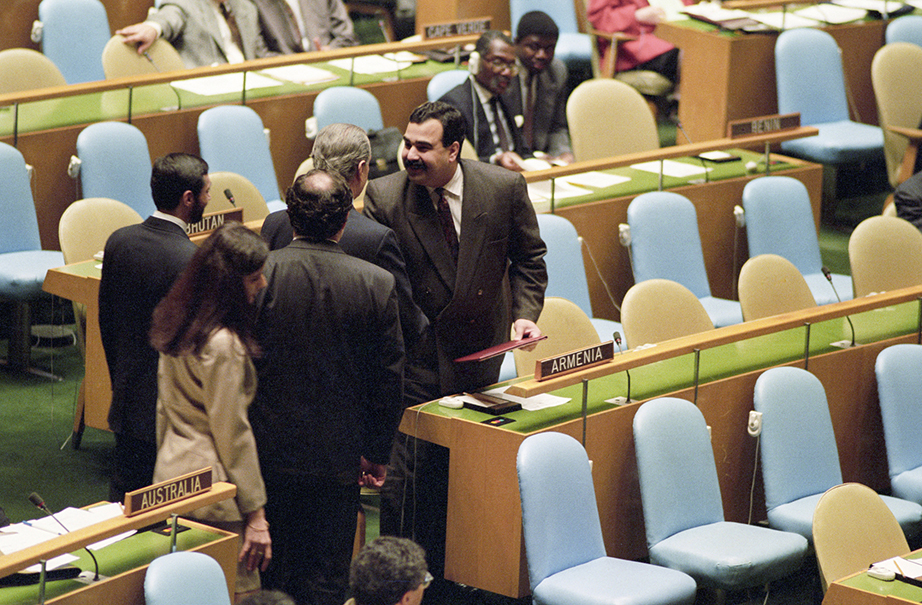
If 10 million is taken as the population threshold by which a state is declared “small,” then 99 UN member states—some 51 percent of the UN’s membership as of 2023—fall into that category. Currently, six states serving as non-permanent members of the UN Security Council—Bahrain, Greece, Denmark, Latvia, Liberia and Panama—fit that definition. Three candidates running to be the next UN secretary-general—Rebeca Grynspan of Costa Rica, Carolyn Rodrigues-Birkett of Guyana and María Fernanda Espinosa of Ecuador—also come from small UN member states.
Qatar, popularly referred to as a ‘diplomatic kingmaker,’ has also shown how small states, lacking in the more traditional geographic and demographic measures of power, can strategically leverage their resources and pursue multi-vector policies in order to exert power and “rewrite the rules of influence.”
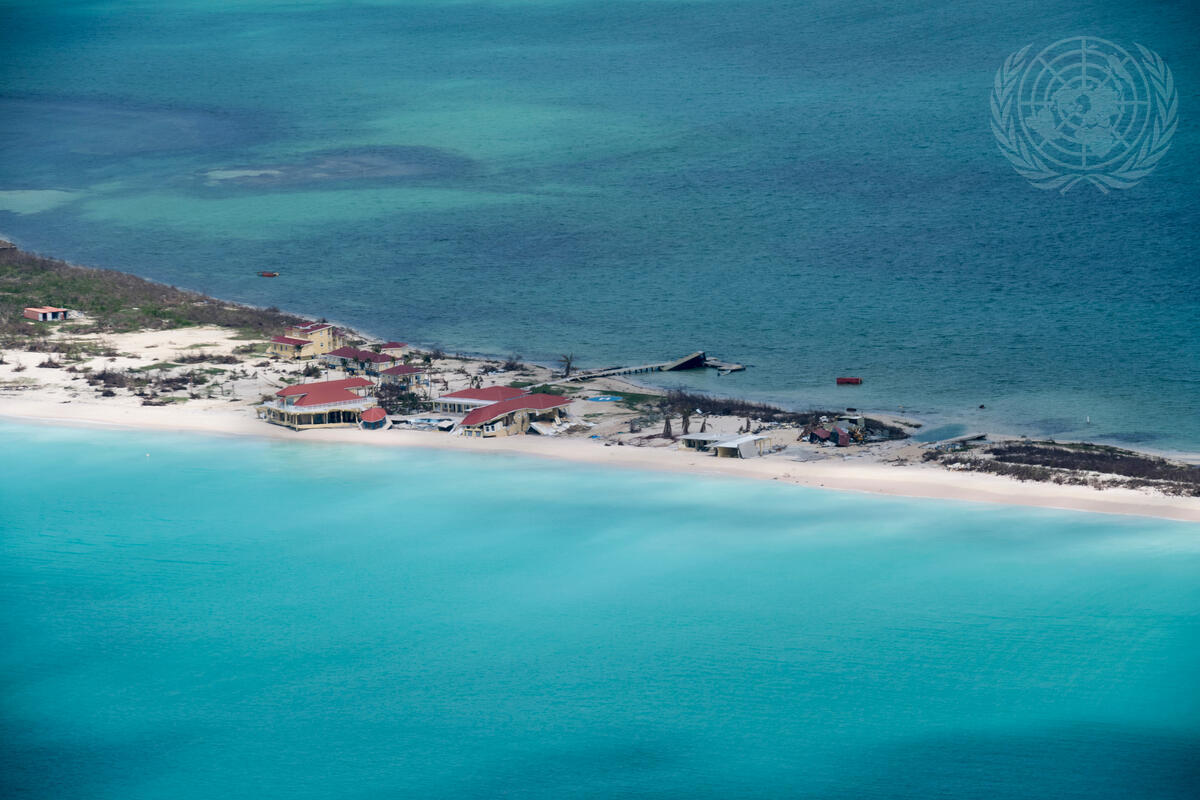
Similarly, Djibouti has leveraged its strategic location to build relationships with major powers and increase its international influence. Located near one of the world’s most important shipping routes, amid the war in Yemen and recent disruptions around the Strait of Hormuz, the country has acquired strategic importance far beyond its size. That significance was underscored most recently by a visit from EU foreign policy chief Kaja Kallas, who traveled to Djibouti to sign a new Status of Forces Agreement.
I saw this dynamic firsthand in Montenegro. As a diplomat during the country’s push for independence, I watched a small state persuade the European Union, despite the initial opposition, not merely to accept the possibility of separation from the political union with Serbia, but to take an active role in setting, observing and verifying the rules for the 2006 referendum.
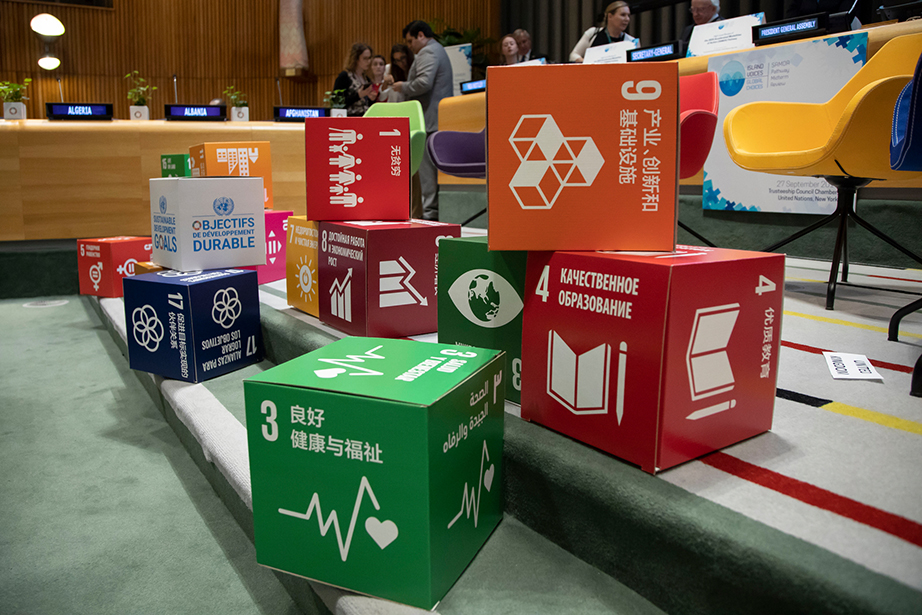
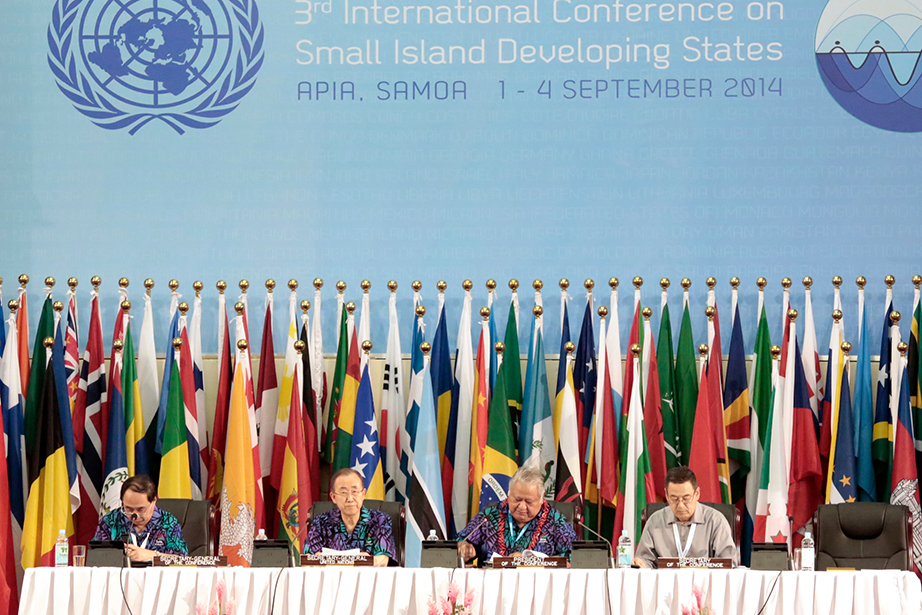
Full guarantees of security are unachievable, nor can great powers be completely restrained. Nevertheless, coalition-building has proven to be one of the most effective sources of leverage for small states. Small Island Developing States (SIDS) demonstrated that power during the negotiations that led to the Paris Agreement. During those talks, SIDS successfully advocated for the inclusion of a long-term goal of limiting global warming to 1.5°C and helped advance the international debate over whether major industrial polluters bear greater responsibility for the loss and damage inflicted on vulnerable countries by climate change.
At a time when tension between profit, personal gain, integrity and adherence to international standards are giving rise to a new set of international norms favoring might-makes-right, small states’ numerical majority, nor their moral authority or the righteousness of their positions automatically translate into collective strength.
Rather, their collective strength rests on their capacity to support and maintain international norms and institutions, and their ability to form flexible and effective coalitions that allow them to draw on their particular strengths when necessary.
Vesko Garčević is professor of the practice of international relations at Boston University and director of its Center for the Study of Europe. During a 26-year diplomatic career, he served in senior positions through the dissolution of Yugoslavia and Montenegro’s democratic transition. He was Montenegro’s ambassador to NATO and previously served as Serbia and Montenegro’s ambassador to the OSCE.
About The Author