The race to succeed UN Secretary‑General António Guterres is often treated as a personnel question. In reality, it is something far more consequential: a test of whether the office of secretary‑general can still matter politically at all.
When Norway’s Trygve Lie, the first secretary‑general of the United Nations, welcomed his successor Dag Hammarskjöld in 1953, he famously described the position as “the most impossible job on this earth.” He was referring to the vast expectations placed on the office and the need to mediate between irreconcilable state interests. Eight decades after the UN’s founding, the job has not become easier. It has become more urgent and more constrained.
The United Nations is facing a deep institutional crisis. Persistent liquidity shortages, chronic underfunding and the erosion of political trust have weakened the organization’s capacity to act. António Guterres warned earlier this year that, without improved payment discipline from key member states, the UN could face insolvency within months. But the challenge confronting the next secretary‑general is not merely financial or administrative. It is fundamentally political.
The core question is this: Are member states willing to allow the next secretary‑general to exercise visible political leadership or are they selecting someone to quietly manage decline?
Declining Visibility, Constrained Leadership
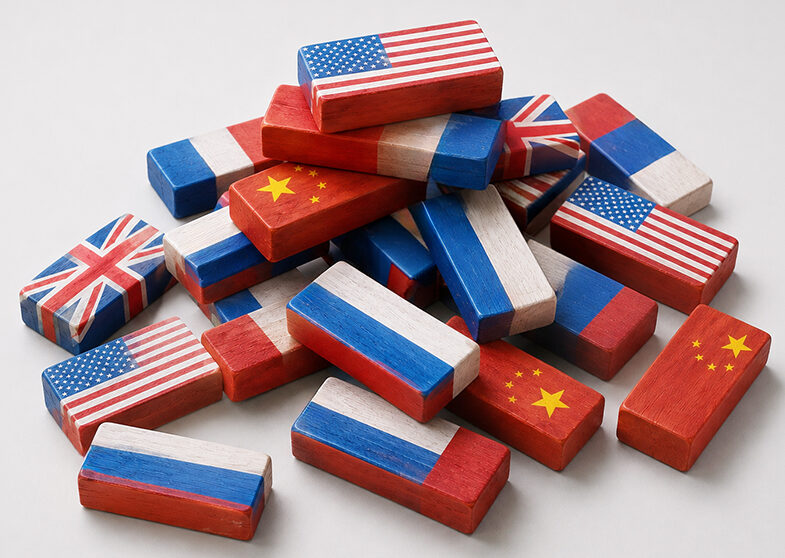
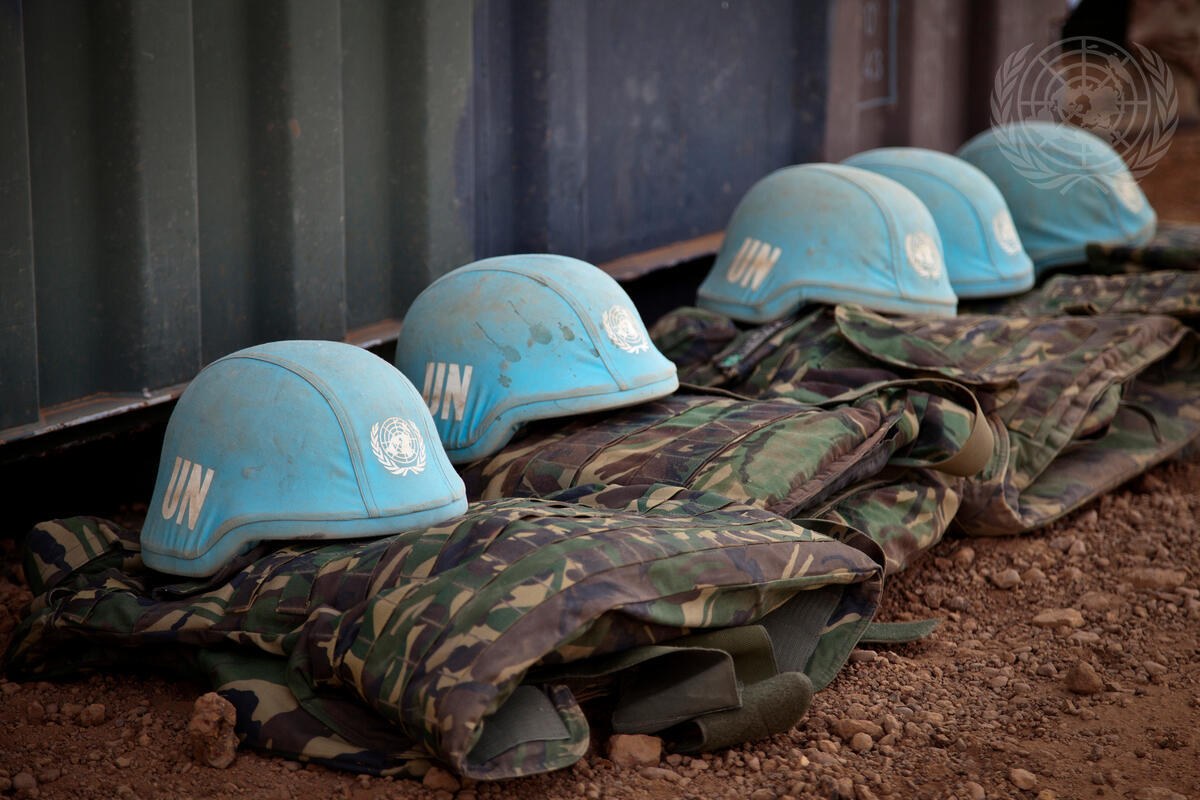
The UN’s waning relevance is most apparent where its authority should matter most: peace and security. As geopolitical polarization has intensified, the Security Council has adopted fewer resolutions despite a rising number of armed conflicts. UN peace operations have shrunk, while regional actors or ad hoc coalitions increasingly dominate mediation efforts.
This environment has reinforced a cautious, inward‑looking Secretariat. While Guterres has invested heavily in institutional reform and system‑wide coordination, he has been less visibly engaged in sustained, high‑risk political mediation than some of his predecessors. In crises such as the current Strait of Hormuz situation, the UN secretary-general has tended to act reactively rather than setting the political agenda. In other conflicts, most notably Ukraine and Gaza, he has at times appeared politically sidelined altogether, reflecting a persistent reluctance to expend political capital when the permanent members of the Security Council are deeply divided. The result has been a perception that the secretary‑general’s good offices are underused precisely when conflicts demand assertive diplomacy. This matters because the UN remains the only global institution with universal membership and a mandate grounded in international law. Public support for international cooperation remains high: large majorities across regions say they favor global cooperation if it delivers results. Yet trust in international institutions, including the UN, lags far behind. The gap between expectation and performance is widening.
In this context, the next secretary‑general cannot succeed merely as a manager, coordinator, or symbolic diplomat. The office now requires someone willing and allowed to take political initiative, communicate beyond elite corridors, and accept the risk of failure inherent in mediation.
A Consensus Process That Discourages Leadership
Paradoxically, the selection process itself reinforces caution. The secretary‑general is not chosen by majority vote but through consensus, requiring a recommendation from the Security Council and thus the acquiescence of all five permanent members. The candidate is then appointed by the General Assembly. This enhances formal legitimacy but creates a structural incentive for candidates to avoid strong, specific positions that might trigger a veto. As a result, aspirants often speak in broad, carefully calibrated terms. That restraint may ease their path to office but it also raises the question of whether the system is filtering out precisely the kind of leadership it now needs.
What the Candidates Reveal About the Choice Before Us
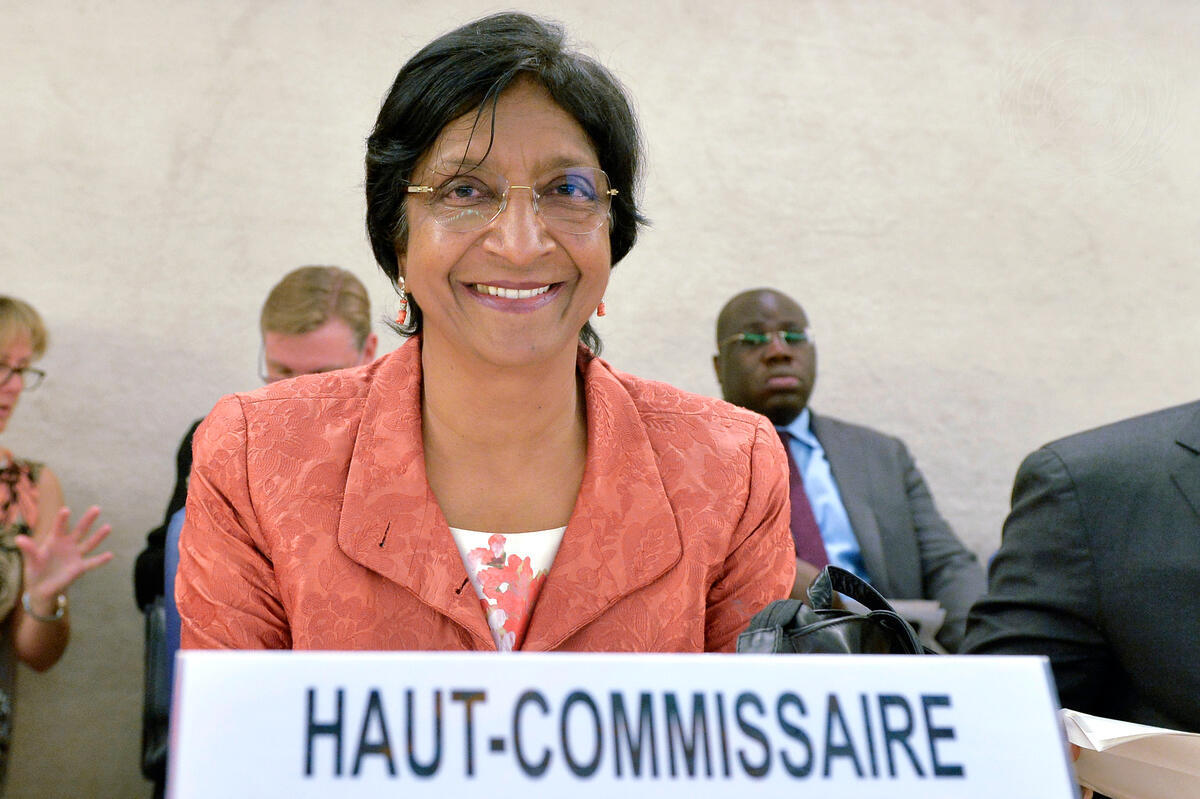
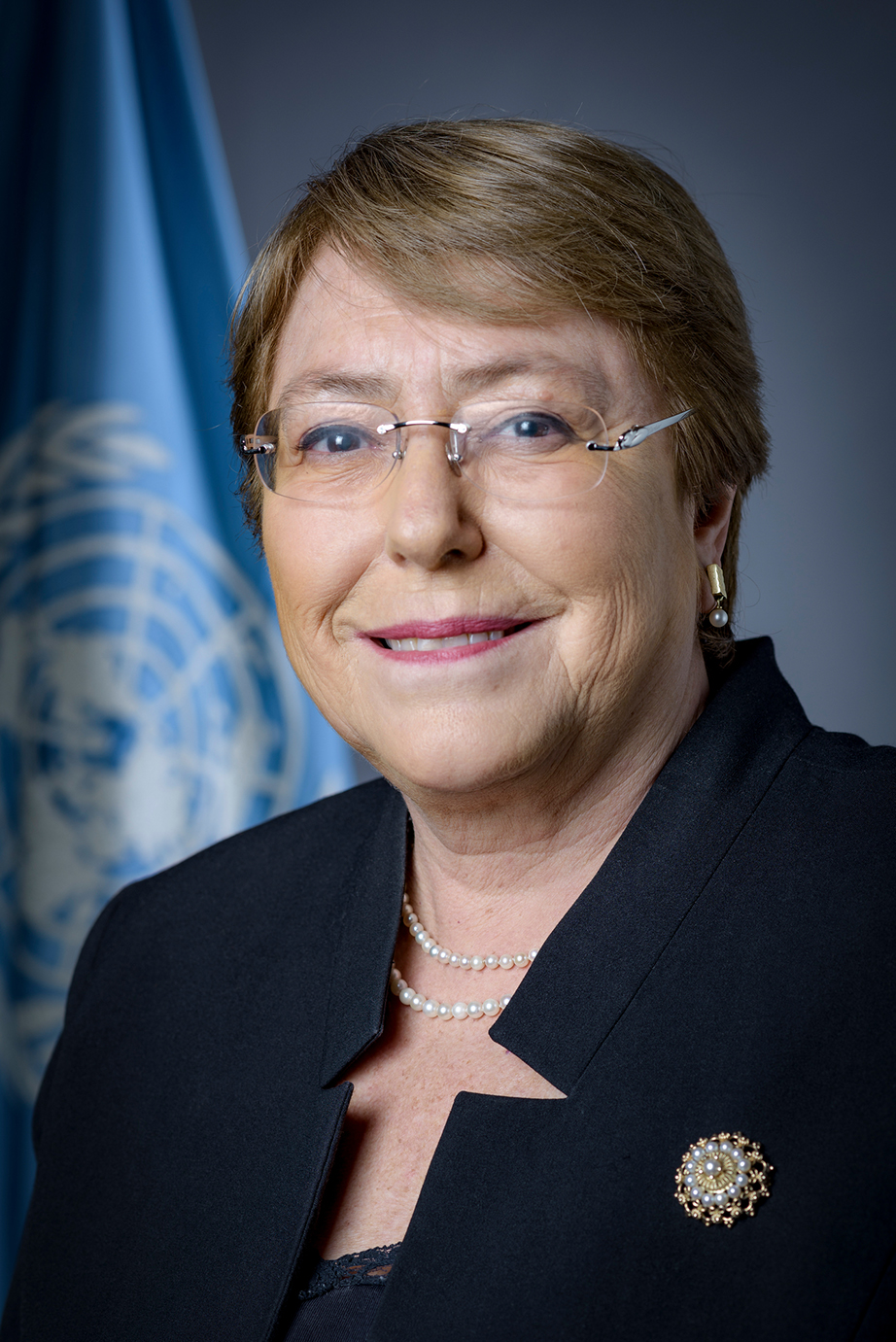
The current field, however not exhaustive, reflected these tensions during the interactive dialogues held in April. Chile’s Michelle Bachelet has forcefully argued that human rights, peace, security, and development are inseparable, and she has identified climate change as the paramount threat to humanity. She emphasized the importance of maintaining UN presence on the ground despite budget cuts and of protecting funding for humanitarian action and conflict prevention. Yet her public criticism of both China and the US during her tenure as high commissioner for human rights has weakened her political backing. Her appearance during the hearings conveyed experience and authority, but also fatigue. Given current geopolitical realities, it is unlikely the Security Council will recommend her.
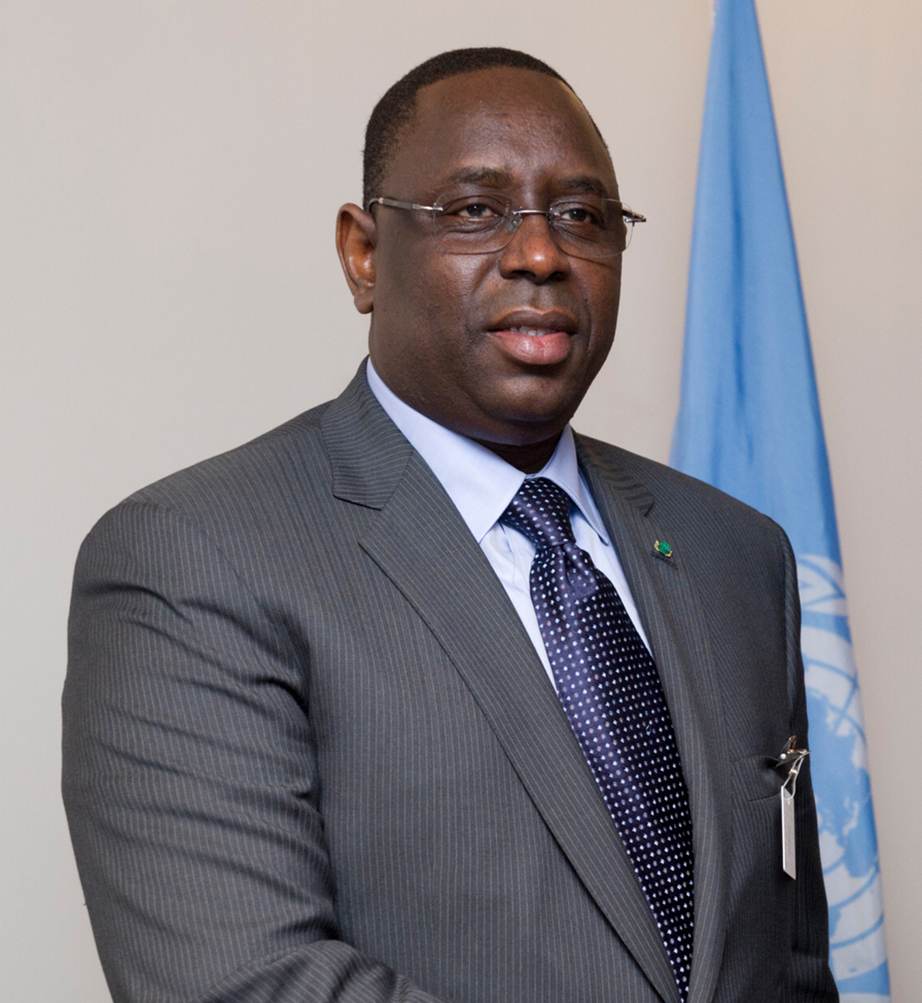
Senegal’s Macky Sall emphasized restoring trust in the UN through strict impartiality and stronger cooperation with regional organizations, particularly the African Union. He stressed development finance, climate funding, and debt sustainability, and pledged greater diversity in UN leadership. Yet his engagement with human rights remained limited, and he lacks experience within the UN system. He also failed to unite African support and does not fit either the informal regional rotation or the call for a female secretary‑general. His prospects are therefore slim.
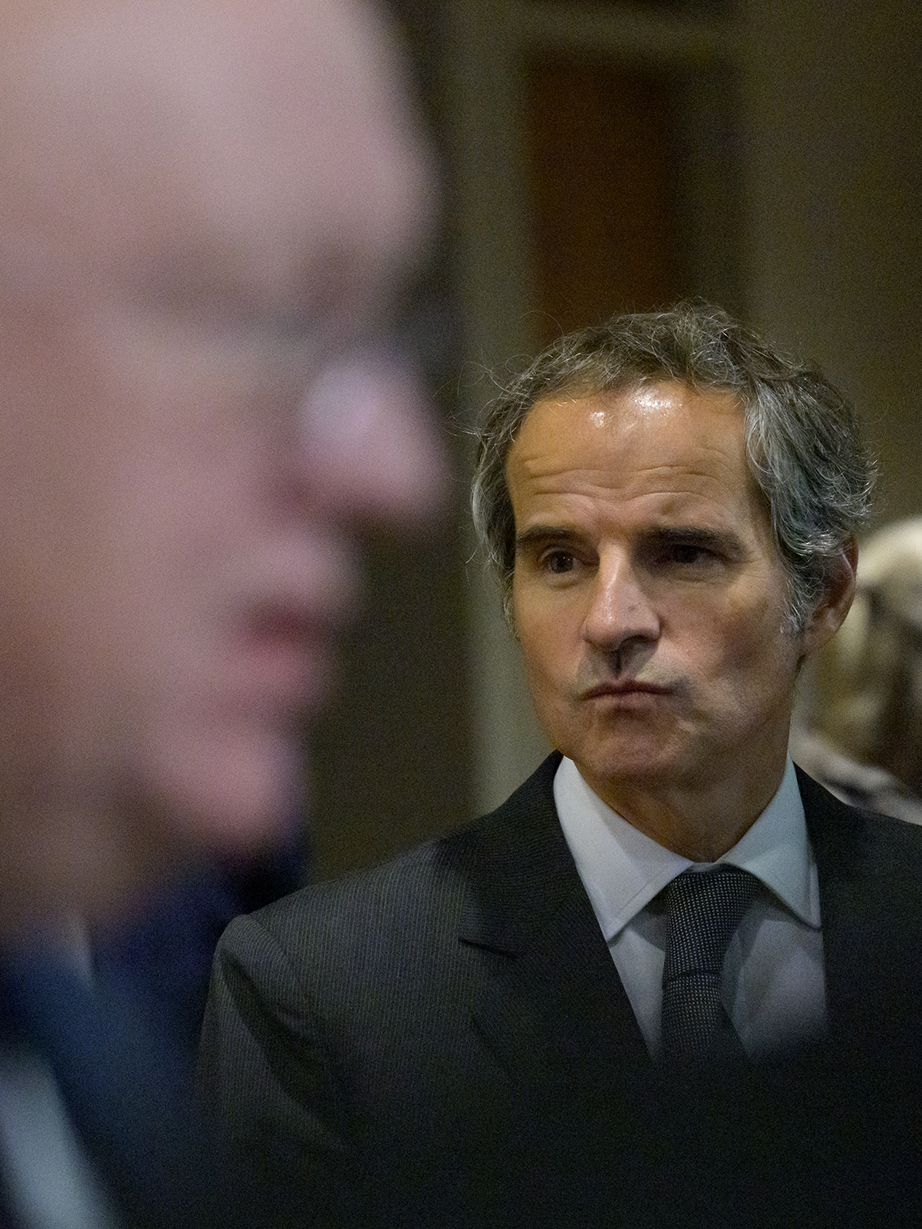
Argentina’s Rafael Grossi has made the clearest case that the secretary‑general must be more active in peace and security, including through personal engagement in conflict zones. Drawing on his work at the International Atomic Energy Agency (IAEA), he emphasized distrust among younger generations and called for implementation and communication rather than endless conferences. He is eloquent and charismatic, and he presents himself as a pragmatic crisis negotiator. At the same time, his continued leadership of the IAEA—despite recommendations to step aside – raises concerns about independence. His candidacy does not meet the widespread call for a woman secretary‑general, yet he currently appears the most acceptable option to the permanent members unless a stronger alternative emerges.
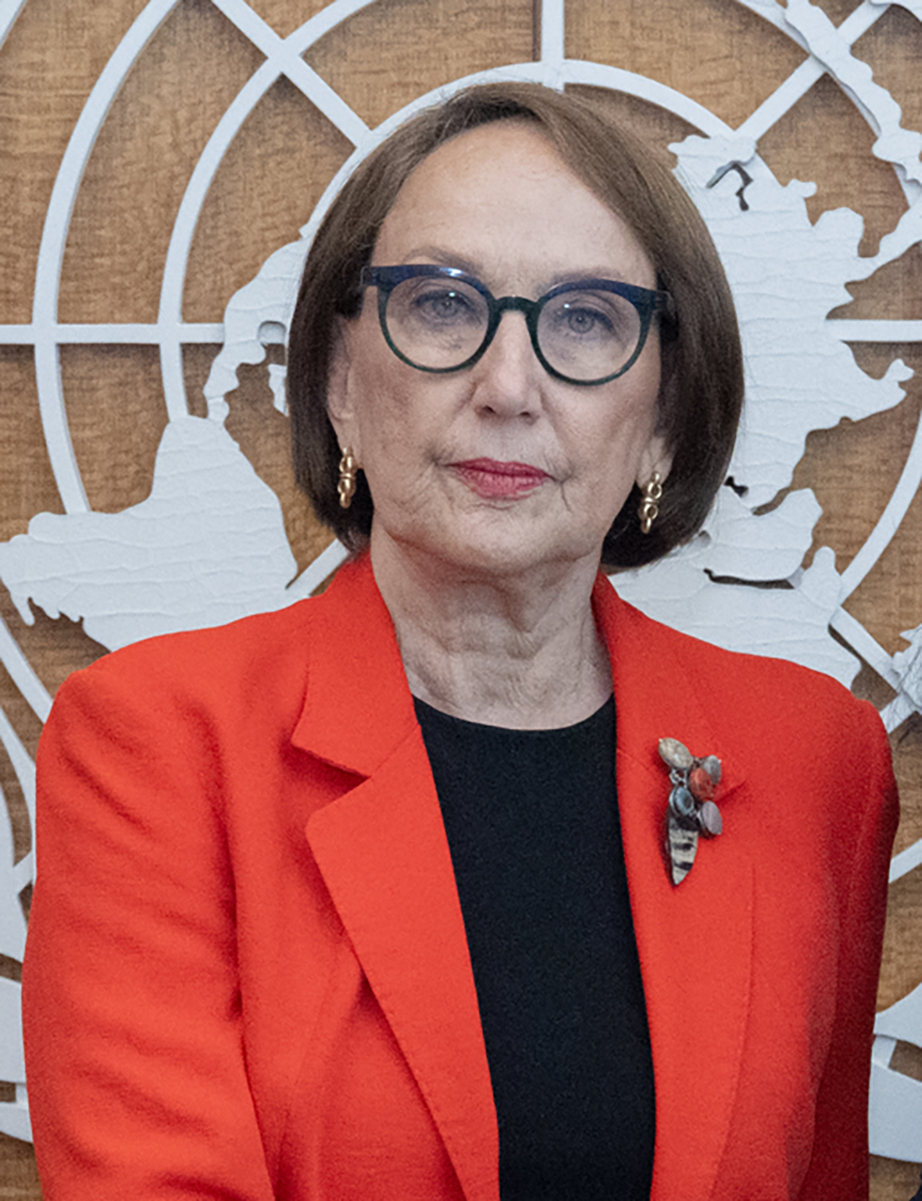
Costa Rica’s Rebeca Grynspan has offered the most substantively ambitious vision. She links peace and security to trade, debt relief, and development finance, arguing that sustainable peace is impossible without economic room for maneuver. She has highlighted her role in facilitating the Black Sea grain initiative as evidence of hands‑on mediation and has called for more flexible diplomatic approaches beyond rigid UN bureaucratic structures. During her hearing, she delivered the strongest opening statement and articulated both short‑term crisis diplomacy and long‑term peacebuilding. For some permanent members, especially the US, her progressive agenda and background at the United Nations Conference on Trade and Development (UNCTAD) may prove problematic because this is the main forum for the Global South. Yet she has addressed credibility concerns by temporarily stepping aside from her UN post, unlike Grossi. One sentence from her hearing stood out: she said she was ready to launch political initiatives on peace and security, prepared to accept the costs of failure—and to try again. That willingness to risk political capital is precisely what the office demands. It is also something that member states themselves must be willing to tolerate.
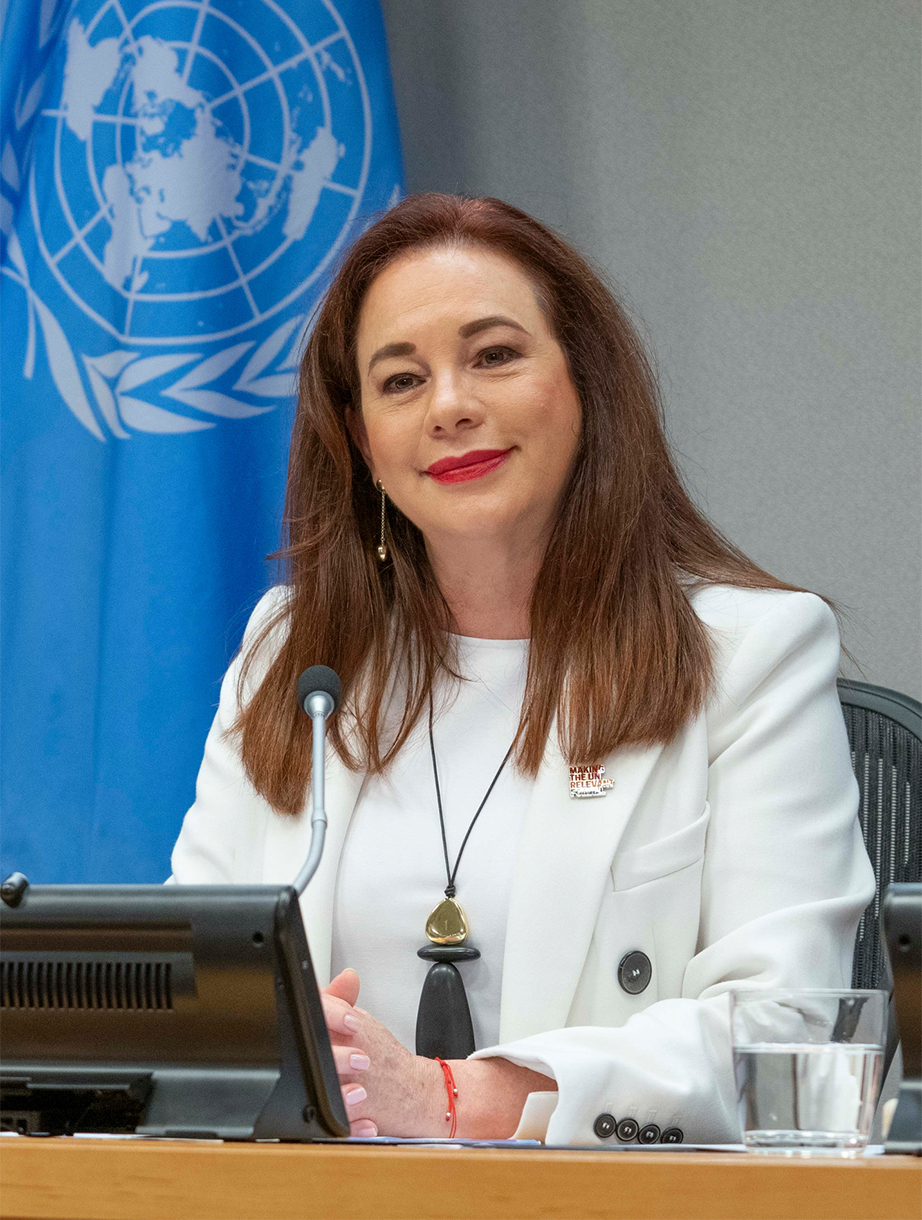
A late addition to the field is Ecuador’s María Fernanda Espinosa, whose candidacy was announced in May and nominated by Antigua and Barbuda. A former president of the UN General Assembly as well as Ecuador’s foreign and defense minister, she combines high-level political experience with extensive multilateral credentials. One potential advantage of her candidacy is precisely this combination of diplomatic and security experience. At a time of intensifying geopolitical rivalry and a growing number of armed conflicts, her background could enable her to bring a more strategic perspective to peace and security issues, an area where the UN is increasingly being tested. In her vision statement, she has emphasized preventive diplomacy, stronger mediation capacities, and a renewed commitment to rebuilding trust in multilateral institutions. Unlike the other leading candidates, however, Espinosa has not yet participated in the interactive dialogues, making it more difficult to assess how she would translate these priorities into political leadership under pressure. Her profile aligns with longstanding calls for the appointment of a woman secretary-general and may appeal to member states seeking greater representation of the Global South. At the same time, her prospects remain uncertain. While she possesses deeper institutional UN experience than some of her competitors, she has yet to demonstrate publicly whether she is prepared to exercise the kind of visible and risk-tolerant political leadership that the office now requires.
A Decision About Decline—or Relevance
Public hearings held in April confirmed one striking point: all candidates pledged more active crisis diplomacy. Whether they would be allowed to practice it is another matter. Ultimately, the selection of the next secretary‑general is not about résumés alone. It is a decision about what kind of leadership the UN’s most powerful members will permit. Choosing a cautious consensus manager may preserve short‑term harmony, but it risks accelerating irrelevance. Selecting someone willing to exercise political authority, communicate openly, and accept the risk of failure would signal that the UN still aspires to matter.
The “most impossible job on earth” has always demanded the ability to navigate contradiction—a reality Dag Hammarskjöld understood well as he sought to make the impossible politically possible. Today, it also requires political courage—not only from the individual chosen, but from the member states to strengthen the UN system as the only “life insurance” for everyone, as Annalena Baerbock, president of the 80th session of the General Assembly, recently stated. The succession will show whether the UN is preparing to manage its decline or to once again assert the relevance of multilateral leadership in an increasingly fragmented world.
Patrick Rosenow is Editor‑in‑Chief of the German Review on the UN, published by the United Nations Association of Germany (UNA‑Germany). His areas of expertise include the United Nations, multilateralism, and peace and international security.
About The Author