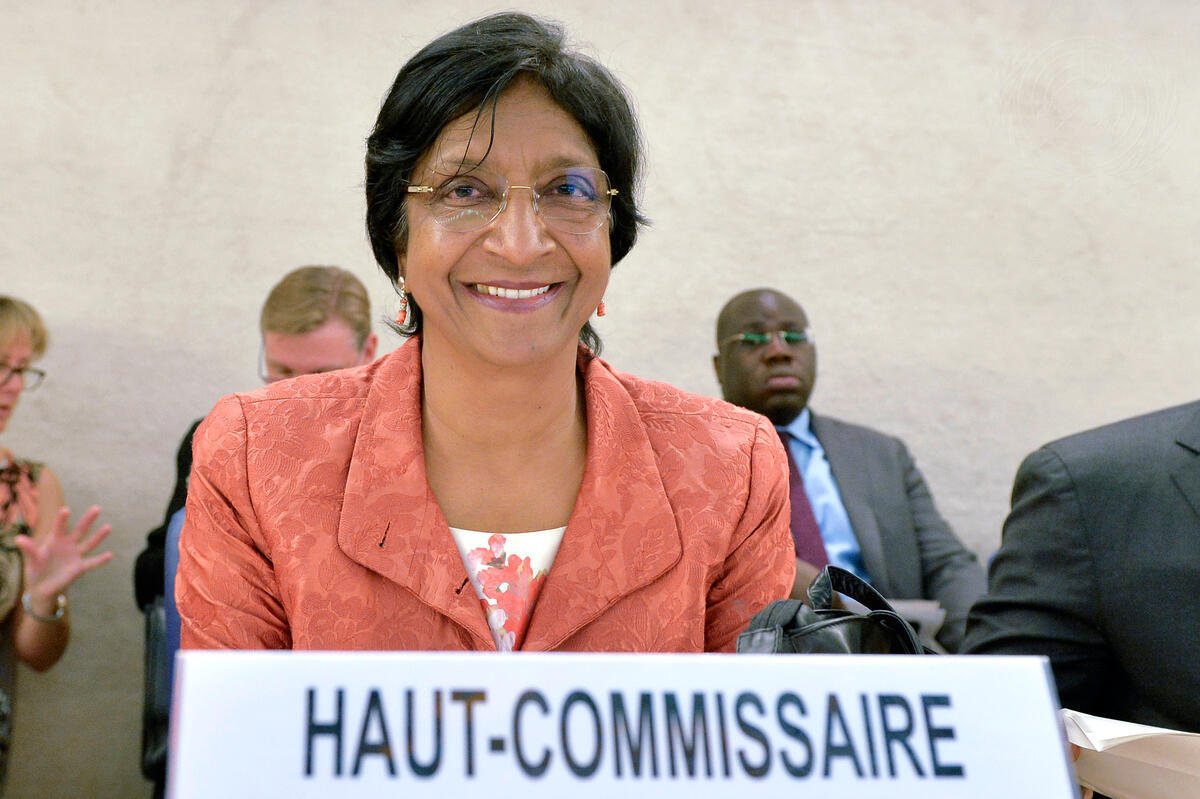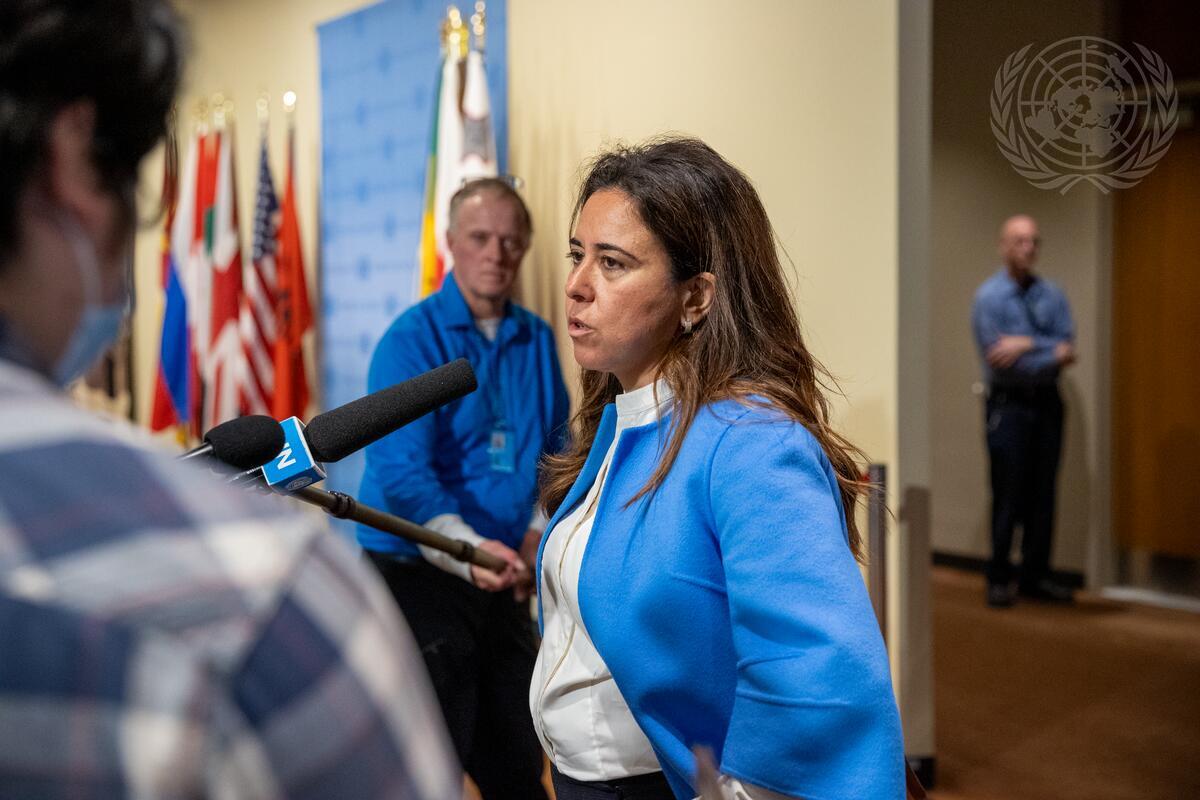
As the UAE faces accusations of fueling atrocities in Sudan, a Sudanese writer examines Lana Nusseibeh’s personal role in defending Abu Dhabi against allegations of arming the RSF and lobbying European lawmakers over their response to the war—and questions her candidacy for UN secretary-general.
After months of speculation, the United Arab Emirates recently nominated its senior diplomat, Lana Nusseibeh, to enter the race for UN Secretary-General.
There is, however, serious concern that makes it morally compelling to reject this nomination: During the ongoing war in Sudan, mounting evidence shows that the UAE has been supporting the RSF militia that is committing mass atrocities against Sudanese.
Moreover, evidence points to the fact that Nusseibeh herself is complicit in covering up the UAE’s role in Sudan’s war, proving she cannot be trusted to lead the UN, which is supposed to be an assembly of nations to advocate for peace and stability.
Financial and Military Support
The nomination of Nusseibeh on October 21 in New York coincided with a dark anniversary thousands of miles away.
Nearly one year ago, the RSF captured El-Fasher after an 18-month siege, carrying out mass killings, rape and other atrocities against civilians. UN investigators later concluded that the assault bore the “hallmarks of genocide.” There’s no greater betrayal to those victims than accepting that a person who helped enable this genocide is leading an organization that is tasked with protecting them.
The war in Sudan broke out in April 2023 between the Rapid Support Forces militia and the Sudanese Armed Forces (SAF); tens of thousands have been killed, and millions have been displaced, leaving the country in a grim partition scenario.
The Rapid Support Forces (RSF) trace their roots back to Sudan’s Janjaweed militias. Formally established in 2013, the group was initially leveraged by the deposed regime to combat rebels in Darfur and South Kordofan. In 2017, Sudan’s parliament granted the RSF official legal status as a recognized security force. Since then, the group has been implicated in widespread atrocities across the country. These include the destruction of villages, mass killings, and systematic sexual violence.
The RSF has also been linked to arbitrary detentions and drone strikes targeting hospitals and journalists. Additionally, reports show the group has recruited and used child soldiers in its operations.
For years, the United Arab Emirates has been backing the RSF militia with financial and military support, including recently supplying foreign combatants. The UAE maintains significant economic and political stakes in Sudan that it expects to protect if its RSF allies gain control. These interests encompass the exploitation of gold and agricultural assets, control of strategically important Red Sea ports, and blocking the return to power of Islamist groups, which the UAE traditionally opposes politically.
The Case Against the UAE and Nusseibeh
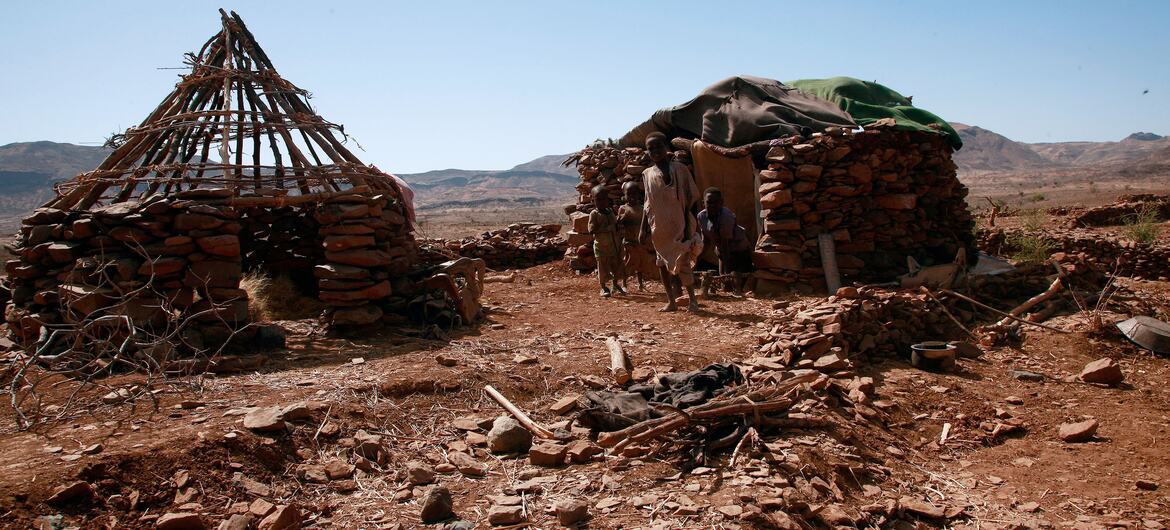
The impact of the UAE funding to the RSF militia has been devastating. In Darfur, for instance, UN experts estimate that the militia killed 15,000 members of the Massalit tribe based on their ethnicity. In other parts of Darfur, women have been raped and abducted, and children have been piled up and shot to death. For months, the city of El-Fashir, the main refugee area in Darfur, has been besieged by the militia.
The UAE’s continuous military support for the RSF militia with arms represents a stark violation of the UN arms embargo in Darfur. This reckless intervention shows that the UAE has no respect for the organization and its role and casts doubt on whether it’s going to use the leadership of this UN to serve its own agendas,
Nusseibeh herself has played a direct role in defending the UAE against accusations over Sudan. In November 2025, she traveled to Strasbourg and personally lobbied members of the European Parliament as they negotiated a resolution condemning atrocities in Sudan. The final resolution omitted explicit criticism of the UAE’s alleged support for the RSF, despite amendments seeking to name Abu Dhabi. Her lobbying efforts were part of a broader Emirati diplomatic push to avoid condemnation.
Nusseibeh has also publicly challenged the UN’s findings when they conflicted with the UAE’s position. In a July 2024 CNN interview, she explicitly rejected the findings of a UN panel of experts that had deemed allegations of Emirati military support for the RSF credible. For me, her record raises a fundamental question: Can a diplomat who has defended her government’s position against such serious allegations be trusted to put the UN’s principles and the protection of civilians above her country’s interests?
Many independent organizations, researchers, and journalists who have been closely working on the Sudanese crisis have already begun voicing concerns about the nomination; these voices should form a strong, coordinated public relations campaign that pressures the International community not to accept the nomination of the UAE’s candidate.
Standing against the UN being led by the UAE is the least we can do to adhere to the principles and pillars of this organization and do justice to the Sudanese.
Mohamed Suliman is a Sudanese writer based in Boston. His recent articles focus on the war in Sudan and the violations of the RSF militia
About The Author