The United Nations is strangely quiet in August. I can walk through the Secretariat Building’s winding corridors without dodging delegations, journalists hauling heavy cameras, or civil society representatives searching for conference rooms. I can cross First Avenue to go to work without the NYPD surveying the scene. And I can grab a coffee a few blocks from Headquarters without waiting for a presidential motorcade to pass. But those of us who work here know exactly what is coming.
As soon as the humid days of a Midtown summer give way to the first September breeze off the East River, the best kind of pandemonium erupts.
For me, September at the UN has always felt like the start of the year, as it does for a student returning to school. It is, after all, when Midtown East becomes the epicentre of global diplomacy.
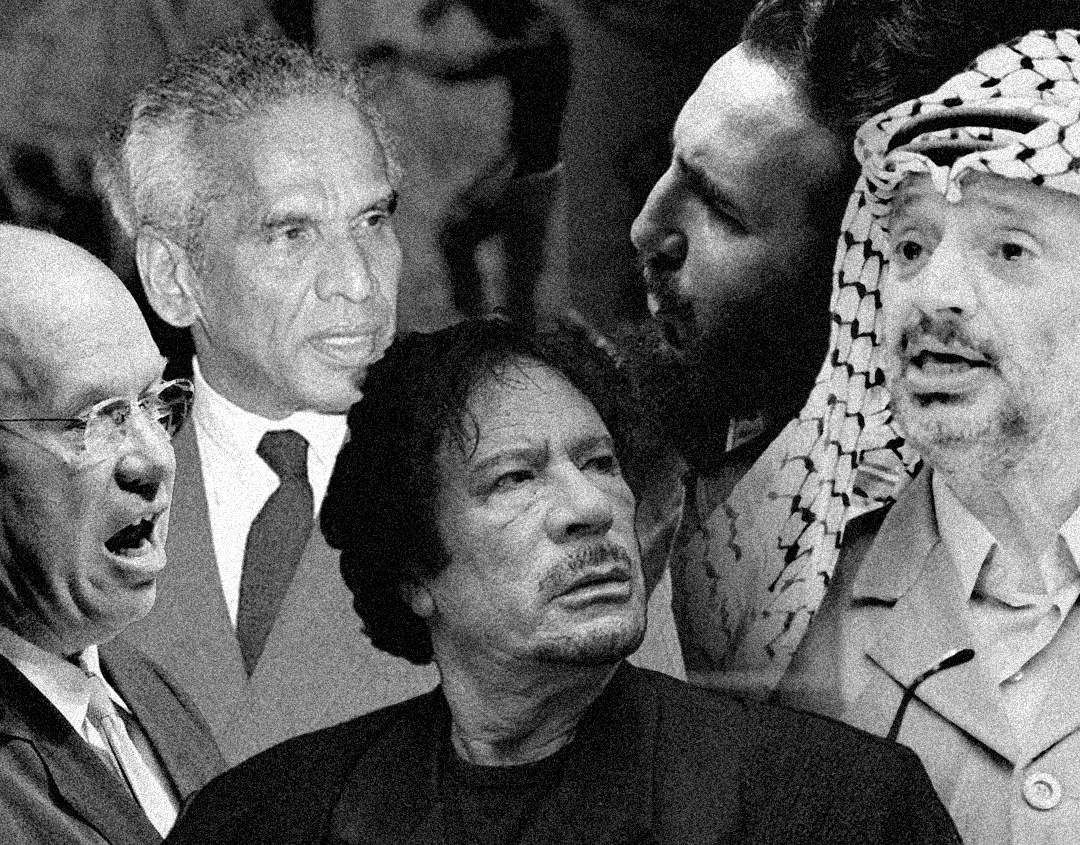
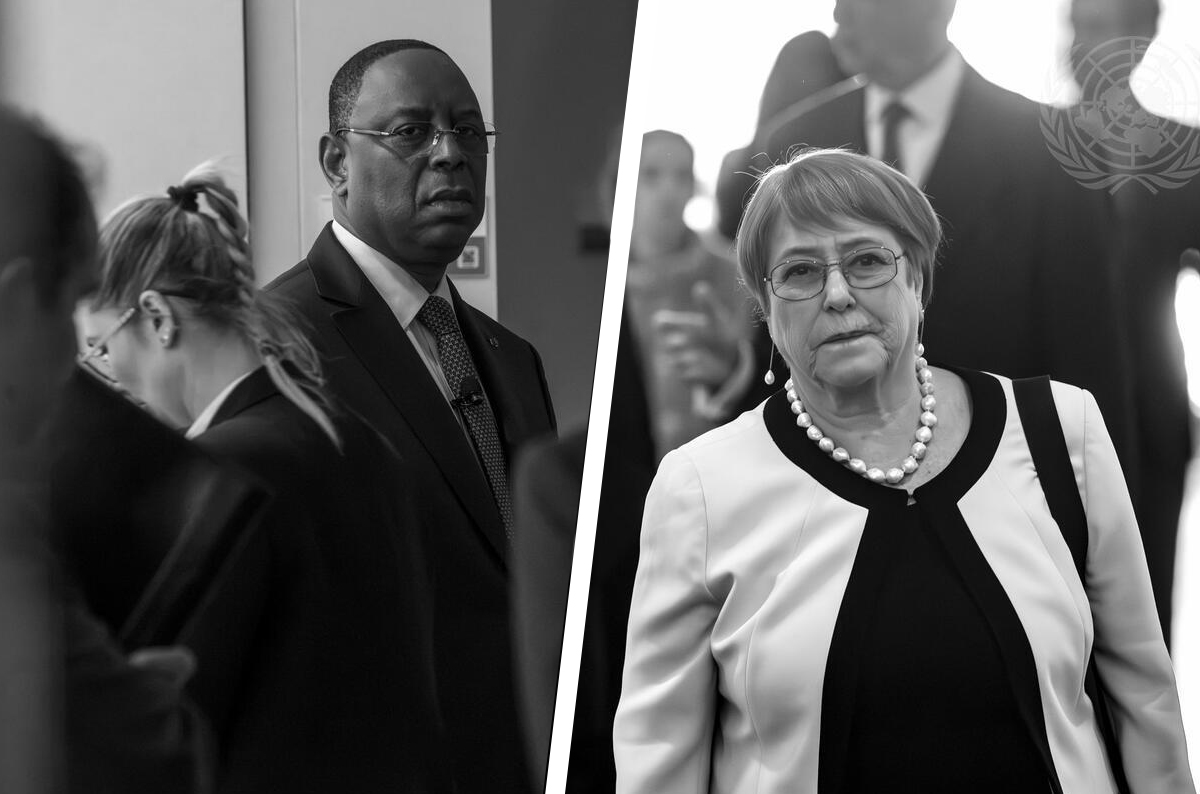
Every September, world leaders and delegations representing the 193 UN Member States gather in New York for the opening of the General Assembly. This year marks the 81st session, continuing a tradition that began with the Assembly’s first session in 1946, just months after the UN was founded in the ashes of the Second World War.
Millions of people at home watch their head of State or Government walk up to the unmistakable green marble podium to outline their country’s priorities, challenges and hopes for a brighter future.
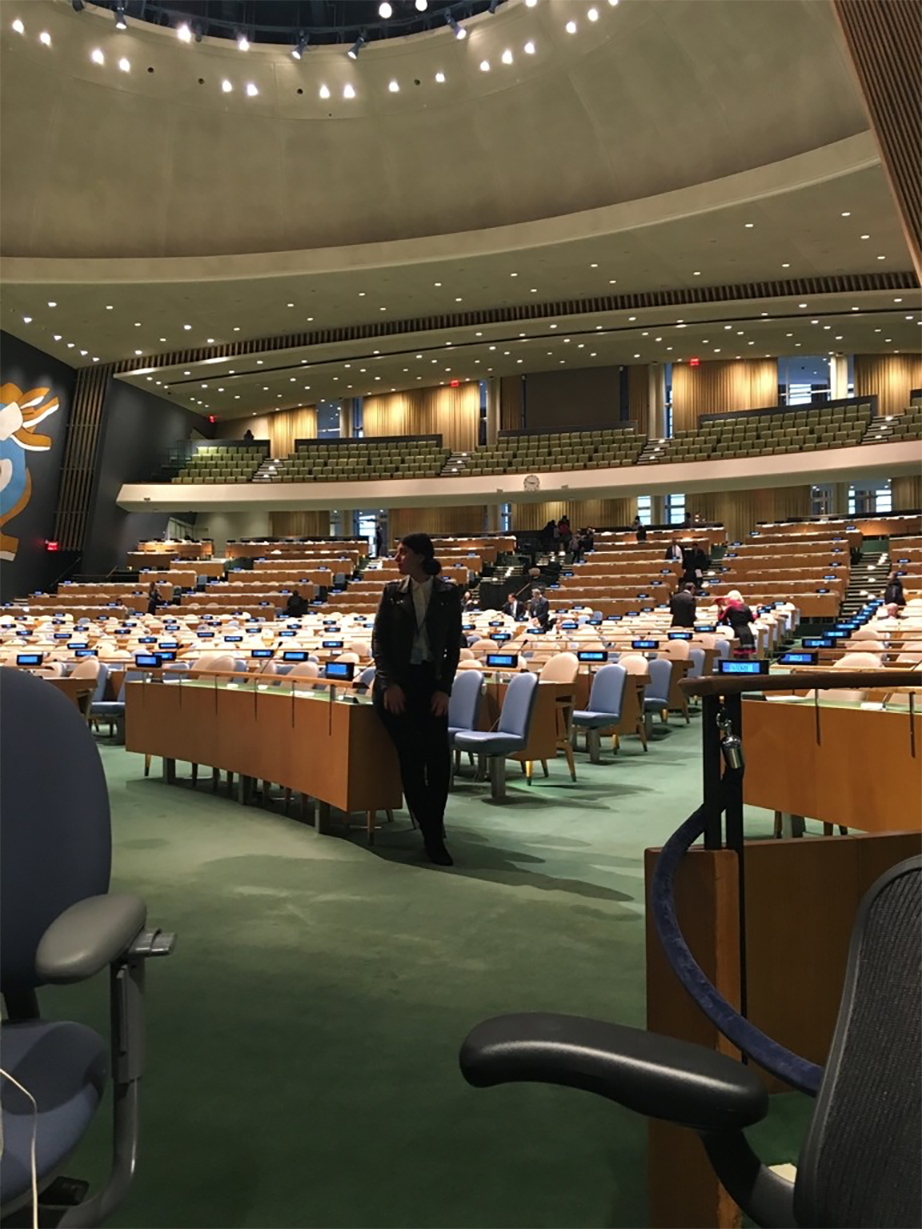
For me, it means listening.
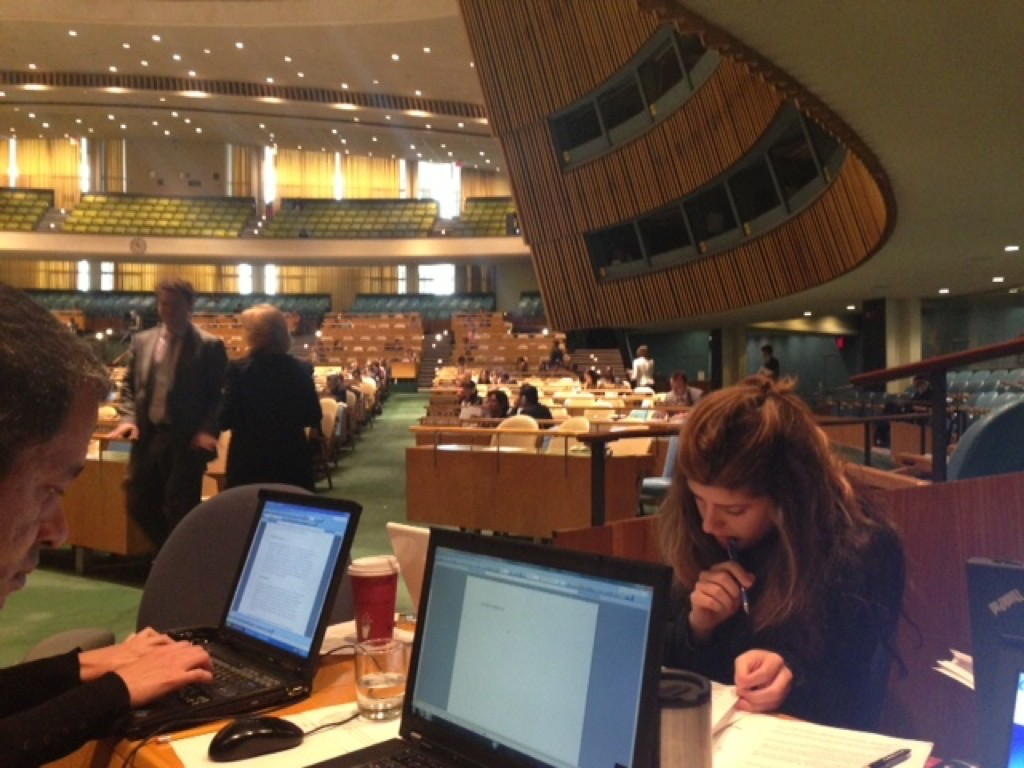
As a UN press officer in the room, just feet from the stage, much of my job comes down to that: listening to what world leaders say and capturing their positions concisely, accurately and quickly in a UN press release.
Having been here since 2011, I have covered the General Assembly under two Secretaries-General, Ban Ki-moon and António Guterres, and through US presidencies of Barack Obama, Donald Trump, Joe Biden, and now Donald Trump again.
But UN press officers handle diplomacy year-round. My colleagues and I track countries’ positions on conflicts, crises and challenges during meetings of the Security Council, the General Assembly and other UN bodies.
My typical week during the year might include covering the Democratic Republic of the Congo on Monday, Gaza on Tuesday, Women, Peace and Security on Wednesday, developments in Iran on Thursday, and the humanitarian crisis in the Central African Republic on Friday.
By the time September arrives, months of debates, briefings and resolutions become the background knowledge we—the press officers—carry into the General Assembly Hall as world leaders take turns to deliver speeches that can stretch beyond an hour.
If you add up the number of years my colleagues have spent covering the United Nations, we would easily have more than a century of institutional knowledge between us—and the UN hasn’t even existed that long.
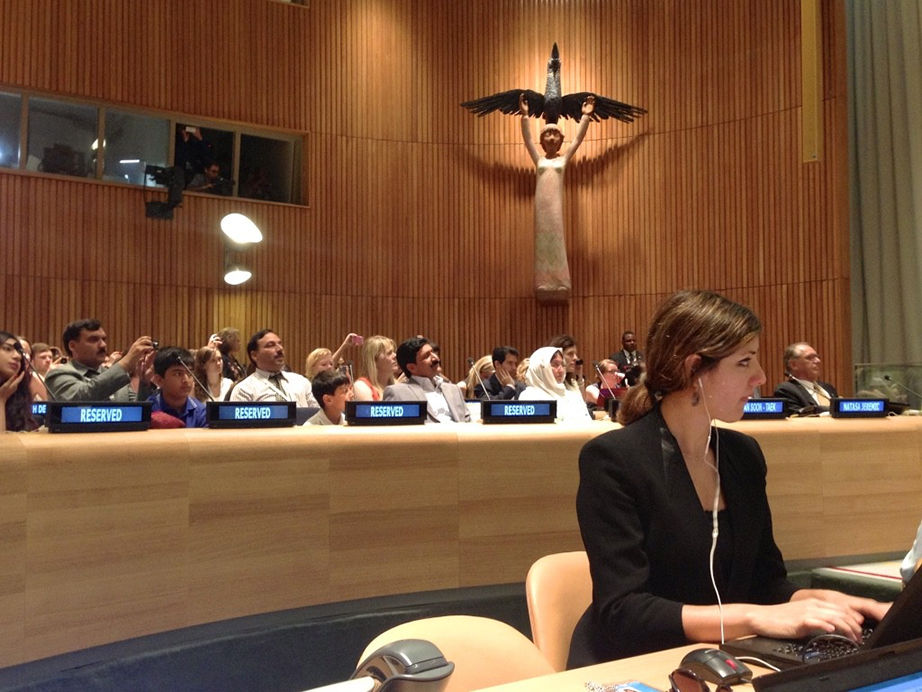
We’ve just been in a lot of meetings.
Press officers have been in the rooms since the UN’s earliest days, sitting just feet from those making historic decisions and recording countries’ positions in detail. Some of the colleagues I work with today were writing in the Security Council when I was still in high school. Some can recall covering debates on Yugoslavia and the Iraq war.
In recent years, the way we work has changed with the times.
When I first began in 2011, a single meeting press release could run to tens of thousands of words, recording speeches and debates in extraordinary detail. You can still find our old press releases on the UN website. They are truly a sight to behold.
Today, as in nearly every newsroom, we are adapting to readers who want information faster and in a more digestible format. Our stories have become shorter, sharper, and more article-like, while still carrying the responsibility that has always defined the job: getting it right, with the right amount of context.
Being in the room provides context, and I have been there for historic moments, including Malala Yousafzai’s visit to the UN on her 16th birthday in 2013, after surviving a Taliban attack, to advocate for every child’s right to education; the adoption of the 2030 Agenda for Sustainable Development by world leaders in 2015; and the signing of the Paris Agreement on climate change at UN Headquarters in 2016.
Working here has felt especially meaningful for another reason.
At the age of eight, I immigrated to Queens, New York, as a refugee from the Soviet Union. Born in Bayramaly, a small desert town in what is now Turkmenistan, I could hardly have imagined that I would one day work in a building where nearly every country in the world has a seat and a voice.
I started my job as a press officer, an idealistic 27-year-old fresh out of graduate school at New York University, who saw the world largely as a place to explore.
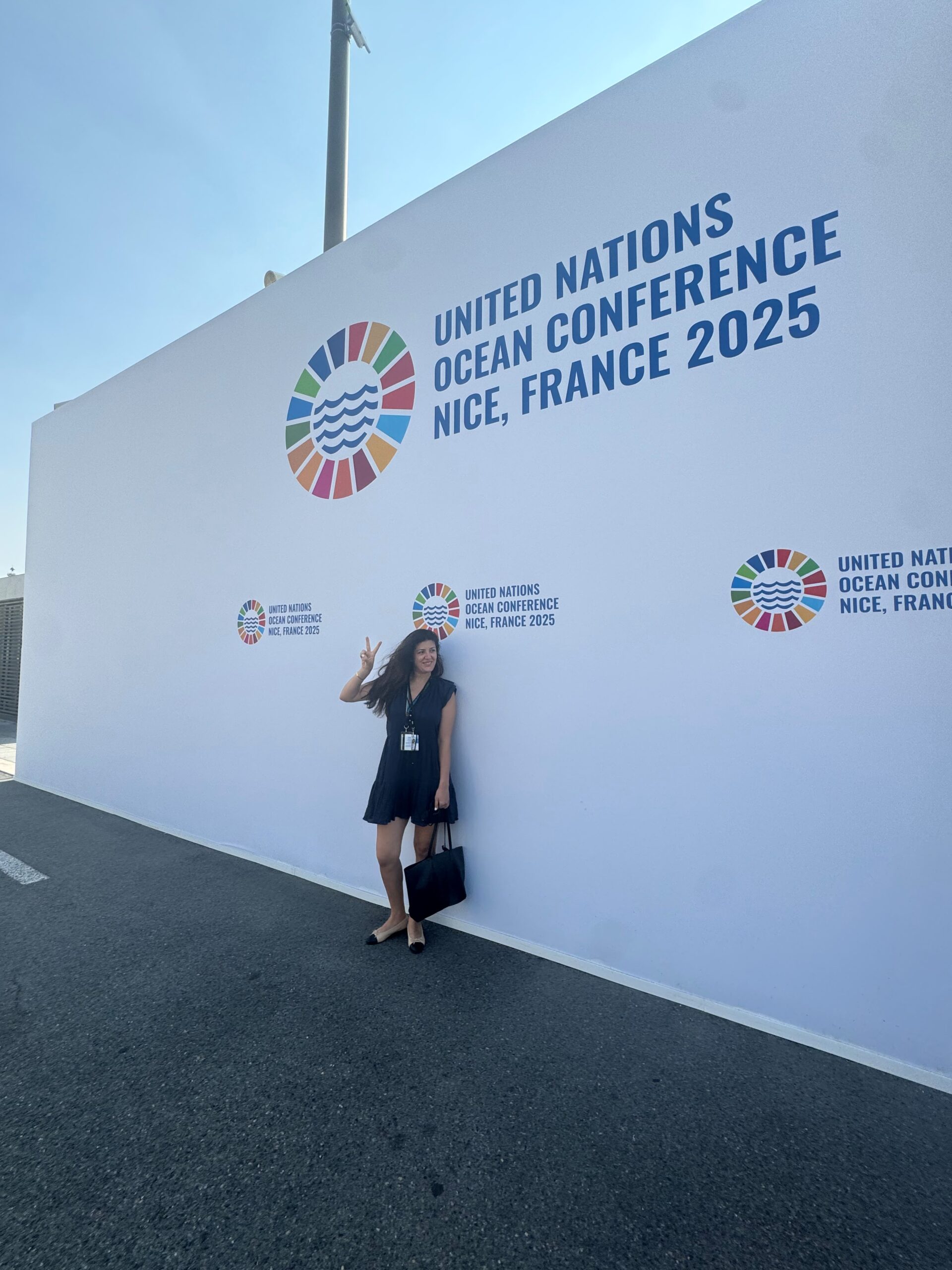
Now I am a 43-year-old mother of two toddler boys, and I increasingly want the world to be at peace.
I still feel like I need to pinch myself sometimes when I swipe my blue badge to enter the building, which is why September at the UN will always be special to me.
For a week or two, time feels different, and the air around the UN feels charged with hope.
And unless you have been living in a cocoon for the past several years, you know there is no shortage of global crises, from the wars in Ukraine and Gaza to instability across parts of Africa and rising tensions in the Middle East.
Soon, the stone barricades bearing the letters “NYPD” will arrive; security will tighten; First Avenue will be closed; the hallways will fill with people from around the world.
For now, it’s just me and my coffee, hurrying through the quiet corridors to my next meeting, watching for the first signs that the world is on its way.
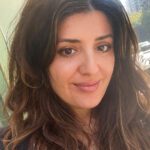
Radmilla Suleymanova is a press officer at the United Nations in New York, where she has covered meetings of the Security Council, General Assembly and other UN bodies since 2011. A former journalist and graduate of New York University’s Center for Global Affairs, she immigrated to Queens from the former Soviet Union as a child refugee in 1991. She lives in New York with her two young sons and writes about diplomacy, identity and growing up between worlds.
About The Author