Ahead of a fourth Security Council straw poll, a former Caribbean ambassador argues that the next secretary-general should come not simply from Latin America and the Caribbean, but from the Caribbean itself.
The selection of a secretary-general is usually discussed in terms of regional rotation and professional experience. Much less is said about outlook. Yet outlook determines how a Secretary-General reads a crisis, whom she listens to, and when she chooses to act. The General Assembly should now ask what outlook this moment requires.
I coined the phrase Caribbean Sense of Life in 2008. I needed a name for the outlook our history has given us. Every people lives by a sense of life, whether or not it is examined. Ours was shaped in small places, where many origins, faiths, and languages share limited space. In such places, accommodation is a daily necessity. Neighbors depend on one another. The village ethic holds that obligation extends beyond the family. Resourcefulness is expected, because means are always limited.
In practice, this outlook shows itself in particular habits. Caribbean people are accustomed to attending to others whose histories differ from their own. We tend to listen before we speak. We regard compromise as ordinary rather than as defeat. We know that persuasion is the only instrument available to those without power.
These habits are scarce in international affairs today. Suspicion between states has deepened. Multilateral institutions face financial strain and declining confidence. Conflicts continue that the Security Council has been unable to resolve. Governments increasingly speak past one another.
The secretary-general cannot command. The office has limited resources and no army. Its influence depends on attention, patience, and the confidence of governments that distrust one another. These are the habits the Caribbean Sense of Life cultivates. This is why it may be the elixir in the temperament of the next secretary-general. Every serious candidate is competent. What distinguishes candidates is temperament, and temperament is formed over a lifetime.
Why the Caribbean now
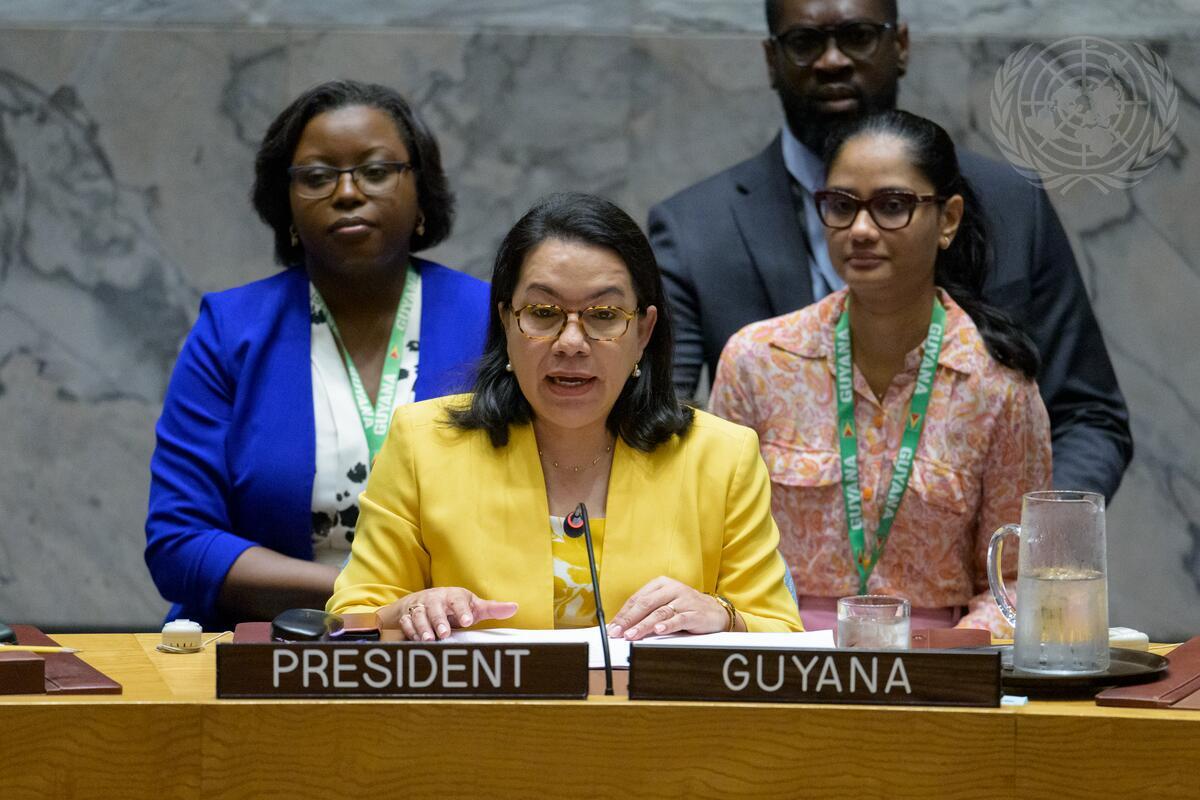
Latin America and the Caribbean share the hope that the next secretary-general will come from our region. Latin America has held the office. The Caribbean has not. In Carolyn Rodrigues-Birkett of Guyana, the Caribbean now offers a candidate whose outlook was formed by this sense of life. She has served as Guyana’s foreign minister and as its Permanent Representative to the United Nations.
The General Assembly appoints the secretary-general. Its members have worked for a more open and transparent selection. They secured public dialogues with candidates and published candidacies. The Assembly should now use the voice it has earned. Its members should state clearly the qualities this moment demands. They should ask the Council to recommend a candidate who possesses them.
A record bigger than its size
The Caribbean’s claim rests on its record as well as its outlook. Caribbean states have given the multilateral system more than their size would suggest. In 1989, Trinidad and Tobago revived the proposal for an international criminal court at the General Assembly. Shridath Ramphal of Guyana led the Commonwealth through the final years of the struggle against apartheid. Caribbean governments were early and consistent opponents of that regime. In the climate negotiations, Caribbean members of the Alliance of Small Island States helped secure the 1.5-degree goal in the Paris Agreement. Barbados has since led the case for reform of the international financial system through the Bridgetown Initiative.
This pattern is consistent. Caribbean states advance ideas that serve the wider membership. They build coalitions across regions. They carry their arguments on principle, because they lack the means to carry them by force.
What the Security Council already knows
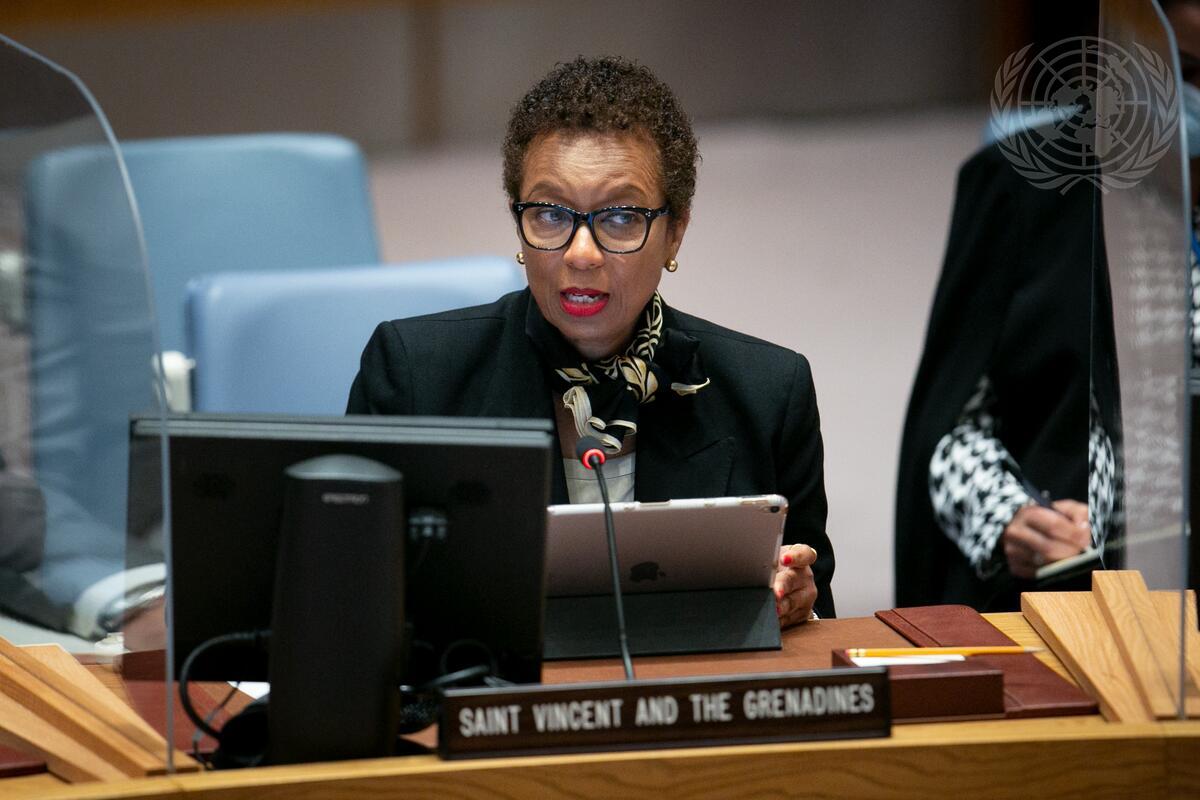
The same pattern appeared on the Security Council. In 2020 and 2021, Saint Vincent and the Grenadines served as the smallest state ever elected to the Council. I represented my country during that term. We joined the three African members in the A3+1 arrangement, which gave Africa and the Caribbean a common voice on matters affecting both. Guyana carried that arrangement into its second edition during its Council term in 2024 and 2025. Carolyn Rodrigues-Birkett led Guyana’s delegation throughout. She sat at the Council table with each permanent member. She negotiated on the most difficult files of the period, including the situation in Haiti. She is therefore a candidate who knows the Council from within.
The permanent members of the Council hold a particular responsibility. They will shape the recommendation. They also have the most to gain from a secretary-general able to mediate among them. The Caribbean is well placed to provide one. It carries no great-power ambitions. It threatens no permanent member’s interests. Its states maintain working relations with each of the five. The United Kingdom and France share long histories with the region, and France remains present in it today. The United States is its closest neighbor. China and Russia are partners in its development. A secretary-general from the Caribbean would owe no permanent member a particular debt. The permanent members have also worked directly with this candidate, and they know her conduct at the Council table. I ask them to weigh that carefully.
The Organization is now eighty years old. It has had nine Secretaries-General. None has come from the Caribbean. The region has given the Organization its ideas and a steady commitment to multilateral cooperation. It now offers a candidate prepared by that tradition for the demands of this moment. The General Assembly should say so clearly, and the permanent members should heed it. It is time to ask the Caribbean to lead the Organization.
I. Rhonda King is the former Permanent Representative of Saint Vincent and the Grenadines to the United Nations (2013 to 2026)
About The Author