AI is changing fashion fast, with the potential to reduce waste and improve inclusivity or simply make a complex industry more efficient at scale.
Fashion has always been obsessed with the latest thing. Hemlines rise and fall, colors cycle in and out, trends appear, vanish, and reappear decades later. But the latest disruption isn’t a silhouette or a shade of lipstick; it’s artificial intelligence (AI).
From digital catwalks to algorithm-powered stylists, AI has slipped into fashion’s front row, and it’s not just sitting quietly. It’s modeling, selling, and reshaping how we think about clothes in the first place.
Since Adobe introduced its generative AI tool Firefly in March 2023, more companies have launched AI tools aimed at solving the fashion industry’s complex processes. In just a few years, artificial intelligence has moved from experimental novelty to everyday infrastructure across the fashion ecosystem. Platforms now assist with everything from generating campaign imagery and predicting trends to streamlining design, sampling, and online merchandising.

Tools like Adobe Firefly allow creative teams to generate visual assets in seconds, while AI-powered platforms are also helping brands visualize garments on digital models, forecast demand, and reduce costly returns through virtual try-on technologies. What once required multiple photoshoots, physical samples, and long development cycles can increasingly be simulated digitally before a single garment is produced.
Tommy Hilfiger, who has invested in AI-enabled fashion technology through his venture firm, called the technology “a game changer” after it helped improve the realism of avatars in his mobile styling game FashionVerse “overnight.”
These tools promise a faster, cheaper, and more customized fashion industry. They may also help cut waste by reducing overproduction, physical sampling, and costly returns. But AI is no clean fix: it could just as easily turbocharge overconsumption, replace human labor, and add new environmental costs through the enormous energy demands behind the technology.
Reframing Fashion’s Process
Fashion runs on a delicate ecosystem, from design sketches to sampling, photoshoots, and retail. It’s a system built on creativity and coordination, but one that’s constantly looking for ways to move faster and waste less.
Before these technologies emerged, product development in fashion relied heavily on physical production. Designers often had to create multiple samples, organize photoshoots, and move garments through several rounds of revisions before a collection ever reached the market.
Today, a growing number of AI-driven tools allow brands to visualize garments digitally, test concepts earlier in the design process, and streamline collaboration between design, merchandising, and marketing teams.

In a joint report by The Business of Fashion and McKinsey, nearly three-quarters of fashion executives said digital technologies such as AI and advanced analytics will be critical to improving operational efficiency and sustainability.
“My vision has always been for consumers to be their own models,” Larissa Posner, founder of StyleScan, an AI-powered visualization platform that allows fashion enterprises to dress real people virtually, told Envoy. “What’s missing from online shopping is a virtual try-on: the ability for shoppers to replace pictured models across a retailer’s website with themselves.”
Posner sees the technology not as a replacement for craftsmanship, but as a bridge between design, development, and retail. The platform allows brands to digitally visualize garments on real models before physical samples are produced, helping design and merchandising teams collaborate more efficiently and make more informed decisions earlier in the process.
It’s a new layer in the creative workflow; one that lets fashion brands test ideas and showcase designs without that waste that used to go along with creating fashion samples in the past. “The deeper value is that a garment does not need to physically exist, it can be only a digital prototype,” Posner said.
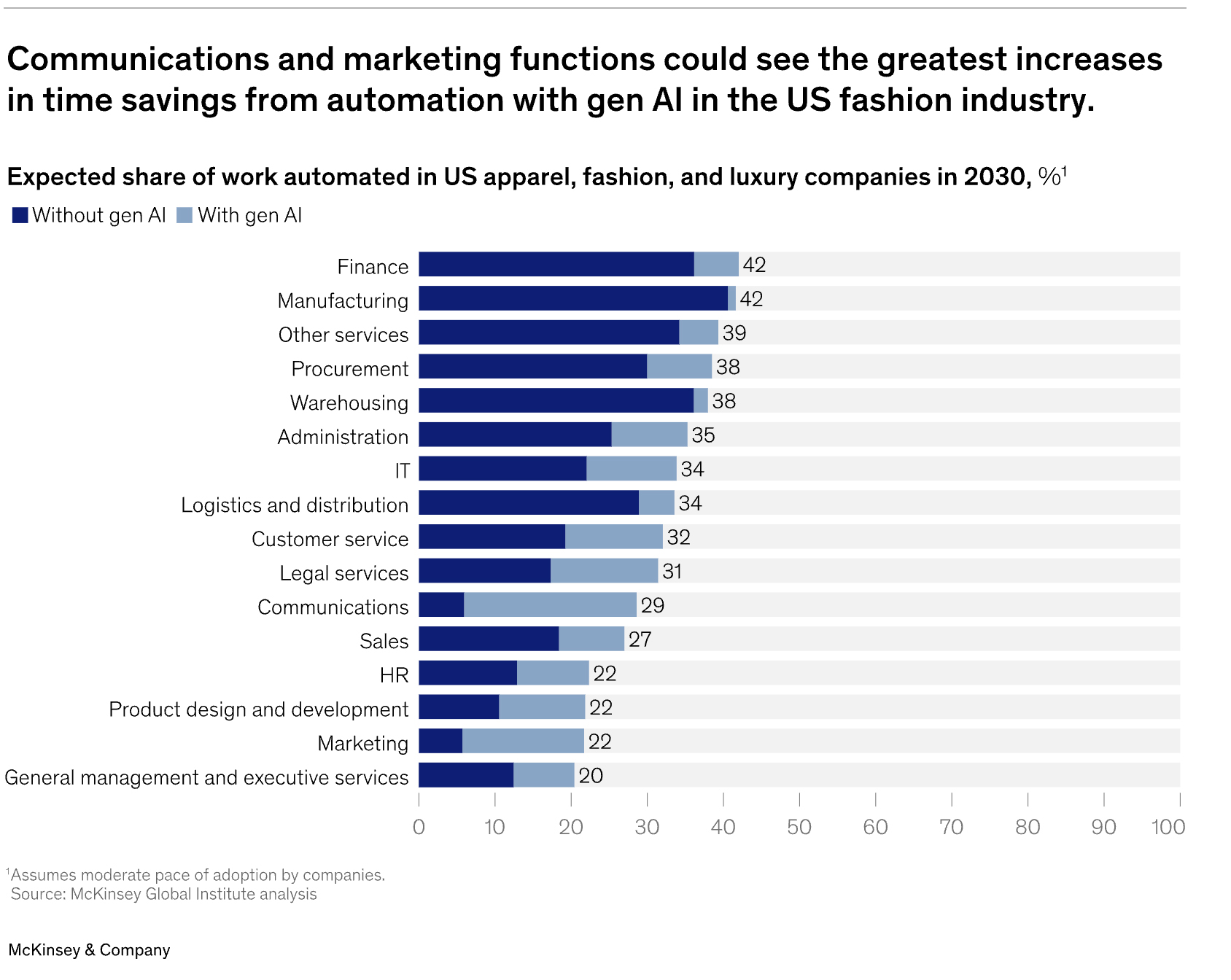
Before technologies like this were available, presenting a garment required it to exist physically and often through multiple samples produced for photoshoots, lookbooks, and e-commerce imagery. By shifting part of that process into the digital space, brands can experiment earlier in development, visualize collections before production, and streamline how teams collaborate across design, merchandising, and marketing.
“While AI will likely never fully replace human models for us, we are excited for the potential capabilities this may afford us for the consumer experience,” Amy Gershkoff Bolles, Senior Vice President of Digital and Emerging Technology Strategy at Levi Strauss & Co., the company behind Levi’s jeans, said.
Fashion insiders are already experimenting with a range of AI-powered tools across the industry. Platforms like Khroma are being used to generate color palettes and support creative decision-making, while brands are also integrating AI into the consumer experience. Recently Zara, for instance, has introduced an AI-powered “Try On” feature within its mobile app, allowing shoppers to create a digital avatar and preview how garments might look before purchasing. The technology aims to reduce returns, increase customer confidence in online shopping, and provide a personalized, 360-degree view of outfits. According to McKinsey’s State of Fashion report, generative AI could add between $150 billion and $275 billion in operating profits to the global fashion industry, largely through improvements in design, marketing, and supply-chain efficiency.

AI, Representation, and Inclusivity
Beyond the productivity and cost-saving benefits of AI, Posner believes it can also help make the industry more inclusive by offering a broader range of digital models. The fashion industry has long been criticized for offering a one-size-fits-all worldview. “Inclusivity in retail has become a core expectation for today’s consumer,” Posner said. “Shoppers want to see themselves reflected: their body type, their ethnicity, their sense of style.”
The idea reflects a broader shift toward hyper-personalized retail experiences. Rather than relying on a single model or standardized imagery, AI technologies are beginning to adapt fashion visuals to the individual shopper, which could reshape the relationship between consumers and online fashion retail. Instead of imagining how a garment might fit, shoppers may soon be able to interact with a digital version tailored to their own measurements and proportions. For brands, the technology offers a way to address one of e-commerce’s most persistent challenges: uncertainty around fit.

For retailers, the implications go beyond convenience. Returns have long been one of fashion e-commerce’s most expensive and environmentally damaging challenges, often sending perfectly wearable garments back through a costly logistics loop. According to the World Economic Forum, AI-enabled supply-chain systems can improve forecasting accuracy by up to 50 percent and reduce inventory levels by as much as 20 percent.
The financial and ecological impact of this shift could be massive. Returns currently cost retailers an estimated $38 billion annually in the US, much of it due to mismatched expectations between how clothes look online versus in real life. By letting shoppers preview garments on their own likeness, new AI technologies aim to reduce returns, boost confidence, and create a shopping experience that finally feels personal. Virtual try-ons, personalized for every shopper, could dramatically cut that waste while making fashion genuinely more inclusive.
The United Nations Environment Programme estimates that the fashion industry accounts for between 2 and 8 percent of global carbon emissions, placing it among the most resource-intensive consumer industries.
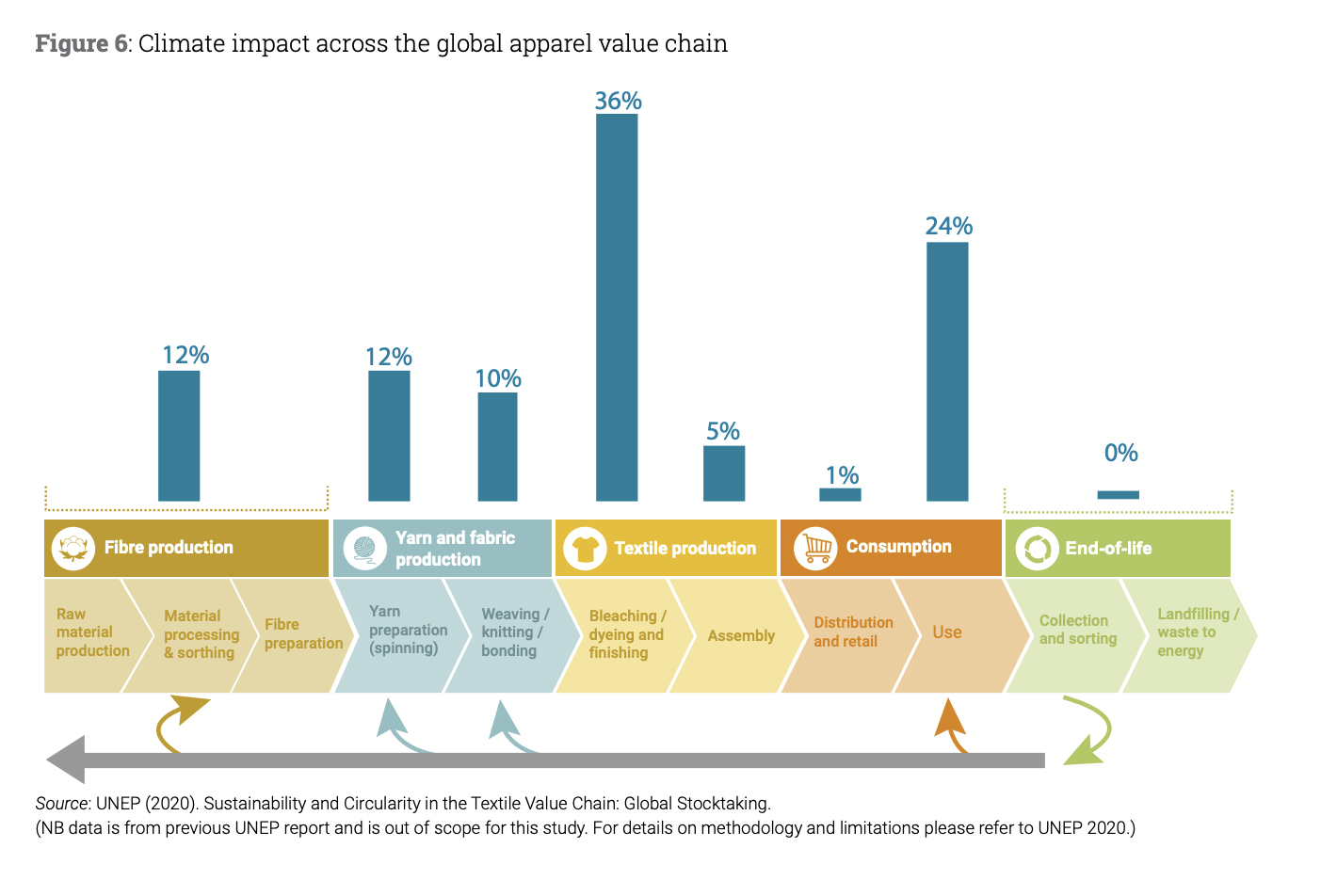
“More and more brands are adopting this sustainable and efficient approach, digitally dressing garments on models and selling them before a single item is manufactured,” Posner said.
The equivalent of one garbage truck of textiles is landfilled or burned every second, according to the Ellen MacArthur Foundation’s research on the global fashion system. Globally, less than 1 percent of clothing is recycled into new garments, highlighting the scale of waste in the fashion industry.
Yet AI is not automatically a win for the environment. While brands increasingly market these tools as a way to cut waste through better forecasting, fewer samples and lower return rates, the technology itself carries a growing energy burden.
The International Energy Agency said in 2025 that electricity demand from data centers is set to more than double by 2030 to around 945 terawatt-hours, with AI the main driver of that growth. The OECD has also warned that larger and more compute-intensive AI systems are raising new sustainability concerns of their own.In other words, even if AI helps fashion streamline parts of its business, its environmental value will depend on whether those gains outweigh the energy costs behind the systems powering it. Still, the change appears inevitable.
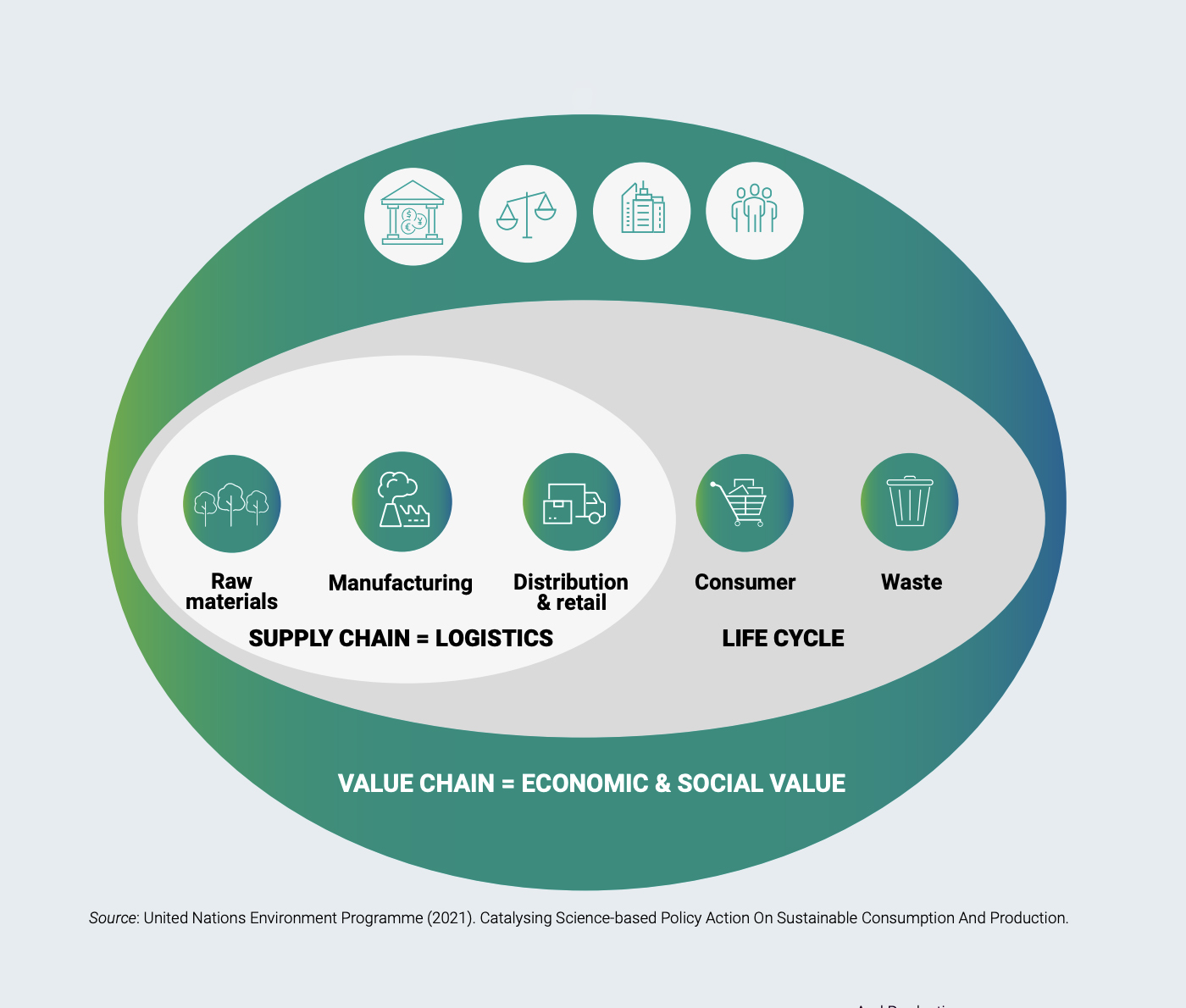
For decades, innovation meant new fabrics, bold silhouettes, or headline-making runways. Today, it increasingly means smarter systems, leaner supply chains, and technology that quietly reduces waste behind the scenes. In Posner’s view, artificial intelligence is an infrastructure that quietly supports a more agile, less wasteful industry.
Whether AI ultimately helps fashion shrink its footprint or simply operate faster at greater scale remains an open question. The technology may offer brands new ways to cut waste, improve forecasting and personalize shopping, but its real impact will depend on how those tools are used—and whether efficiency translates into less production rather than just more of it.
About The Author