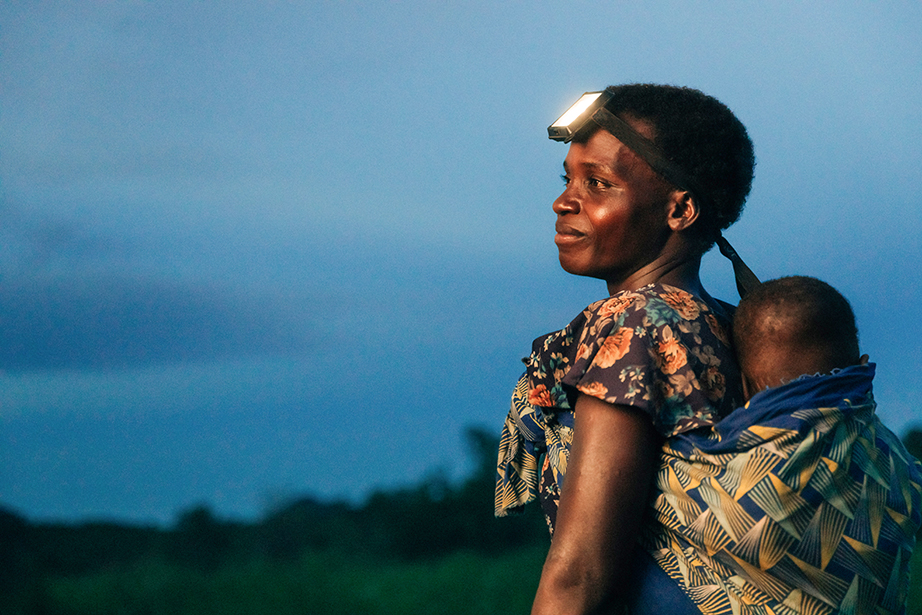
Tonight, many of us will walk around our homes and have the luxury of flipping on a light switch, reading a book to our children before bed, or having a porch light on for security without thinking twice. Meanwhile, in other parts of the world, hundreds of millions of families will ration light or spend whatever little money they have on inadequate light sources. For them, darkness is not poetic—it is economic. Light dictates who can study, who can earn after the sun goes down, and who remains trapped in poverty.
What if the first step out of poverty wasn’t a loan or a handout—but a tool?
In 2009, I was a stay-at-home mother of five boys. My days were filled with carpools, homework, and balancing the needs of a young family. That year, while visiting the Philippines, I asked to go to communities outside the walls of the hotel where I was staying. I volunteered at a rural feeding program where most families lived without electricity. There, I met a young girl whose face had been badly burned by a kerosene lamp. The only treatment available to her teachers was to apply toothpaste.
That moment altered the course of my life. What I witnessed was not an isolated incident. Homes were lit by open flames. Children were routinely left alone in the dark while parents worked. Burns, fires, respiratory illness, and lost income were common. Families were spending a significant portion of what little they had on fuel that endangered them every day. As a mother I couldn’t imagine raising my children in darkness and having no other choice.
Darkness was not just an inconvenience. It was a poverty trap.
Returning home, I was determined to figure out how to bring safe light to families. I dreamt about lighting the world. My only problem was that I didn’t know how I would do it.
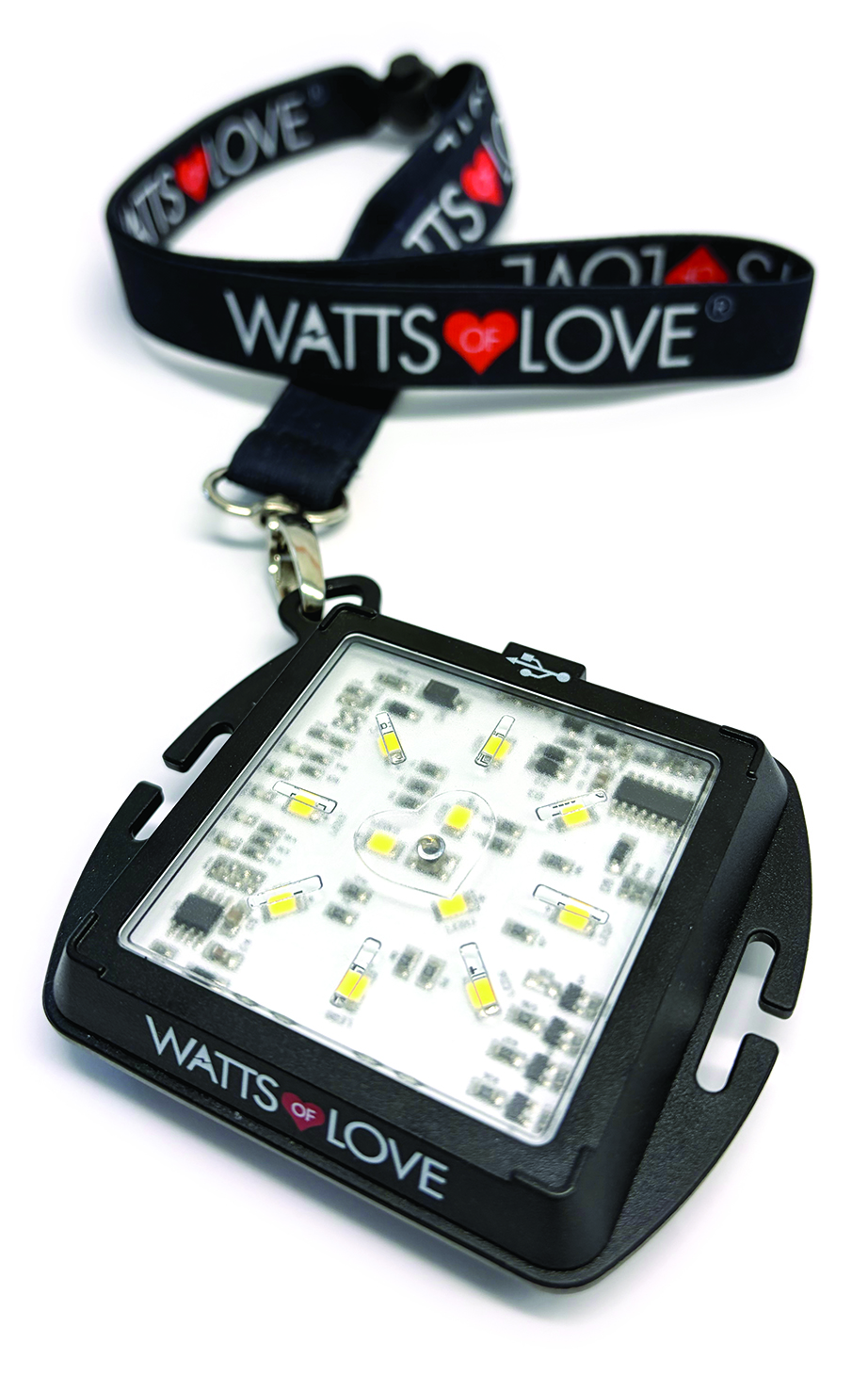
Through perseverance, iterative design, and strong partnerships, I designed a durable, user-friendly solar light specifically for families living off the grid. Building a product capable of withstanding extreme heat, heavy rains, dust, and years of daily use was not simple—and we were committed to avoiding anything disposable. Families deserve better than short-term fixes. After years of learning and improvements, we introduced what is now our patented solar light—built for rugged conditions and engineered to last at least ten years.
I soon learned this had to be more than just distributing lights. If we were serious about addressing poverty, light was only the start. And from that beginning, Watts of Love was born.
Rethinking the First Step
For decades, poverty interventions have focused on large systems—economic reform, healthcare expansion, housing, and education. All important. All necessary. All slow.
We chose something immediate: light.
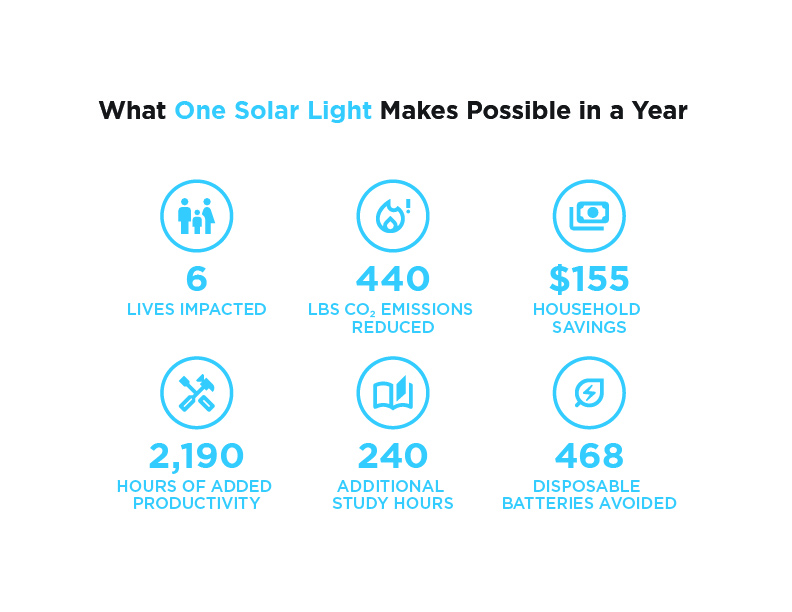
In energy-poor regions, families often spend up to 30% of their income on unsafe and inefficient lighting. That money is, quite literally, burned. When a family replaces kerosene, candles, and battery-operated flashlights with a durable solar light, that expense disappears on day one. But illumination alone is not transformation.
The morning after I gave Emily, a mother of seven, our first light, I returned to see how her night had gone – her first night with light. She told me she had stayed up carving bamboo skewers to sell in the market. I was shocked. With light, she became an entrepreneur overnight.
That moment revealed something critical: light creates opportunity, and with knowledge, opportunity can become lasting change. After witnessing that story, I realized that we needed to build on this.
Beyond our lights, we then developed a simple, culturally adaptable curriculum designed for families with little or no formal education. The training teaches participants how to redirect former light spending into savings and invest in small income-generating activities.
The goal was not just illumination. It was empowerment—ensuring that every light distributed became a catalyst for disciplined decision-making and sustainable economic independence.
Since then, before receiving their patented solar light, every participant is required to attend in-person financial literacy and goal-setting training. They learn to convert what they once spent on light toward savings, debt reduction, school fees, and small business creation. They create a plan. They learn how to care for their solar light so it remains a long-term asset.
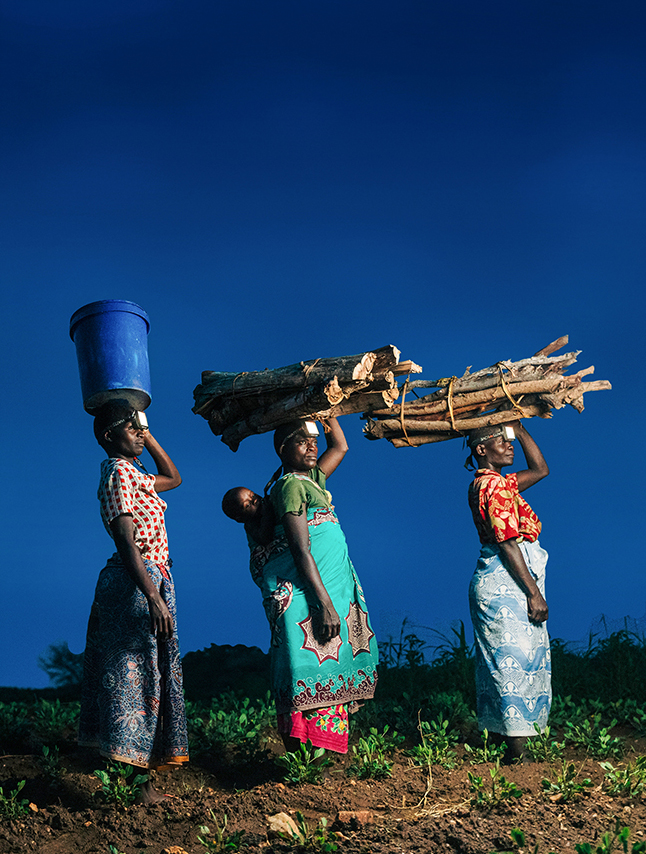
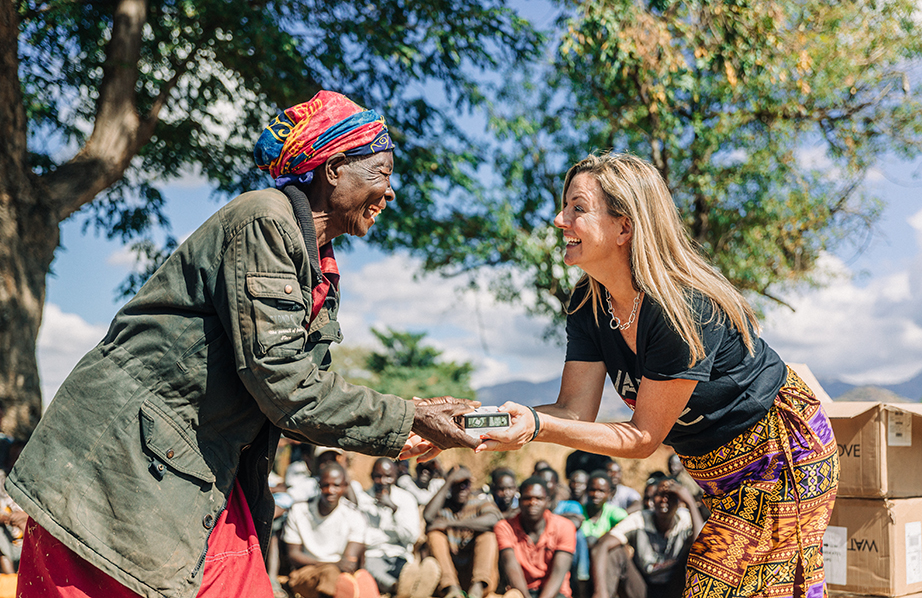
Only then do they receive it for free. Watts of Love exists not to profit from poverty, but to help end it.
This is not mass drop-shipping. It is structured transformation at the household level. The families we serve are not passive beneficiaries. They are investors in their own progress.
In our early years, we distributed lights wherever doors opened—through donor relationships and immediate opportunities. Those deployments were essential. They allowed us to pilot the model, refine the product, and strengthen our financial literacy curriculum.
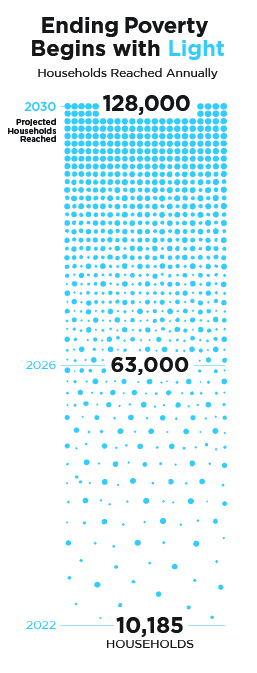
As our impact data grew, so did our discipline. We evolved from an opportunity-driven approach to a strategy-driven one. Today, our expansion is guided by measurable need, strength of local leadership, poverty density, energy vulnerability, and long-term partnership potential. We establish regional “Lighthouse” hubs to ensure training, follow-up, and accountability continue long after distribution day. We have worked in more than 50 countries. Today, our primary focus includes communities in Malawi, Kenya, Zambia, Uganda, and the Philippines—regions that are consistently considered the poorest and least electrified around the world.
Why Malawi
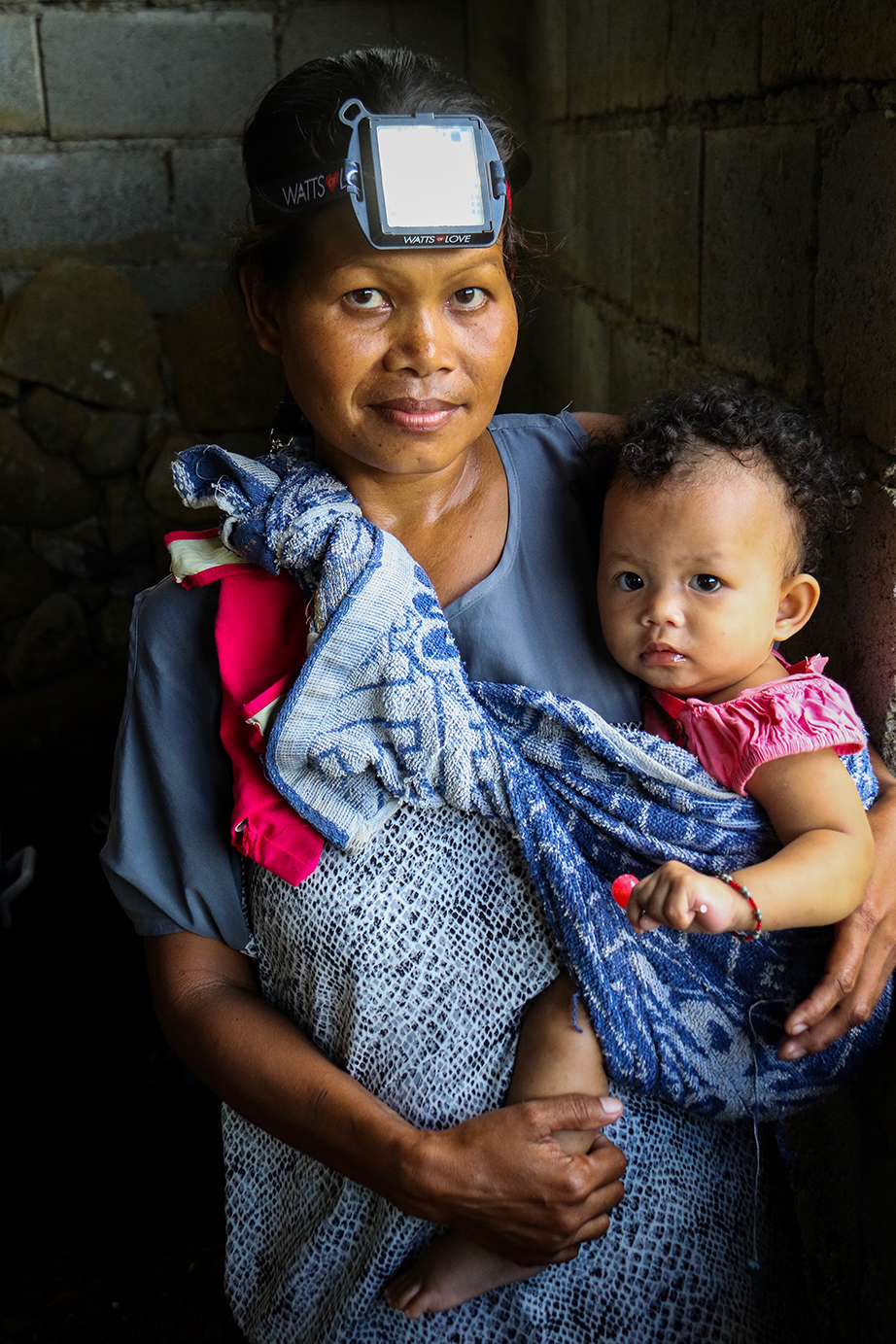
One of the countries we identified early as having both profound need and strong potential for impact is Malawi.
Malawi consistently ranks among the poorest countries in the world by GDP per capita. The majority of its population relies on subsistence agriculture, vulnerable to droughts and floods. When harvests fail, income collapses, government revenues shrink, and investment in infrastructure stalls. High public debt, inflation, and limited industrialization compound the cycle.
These structural constraints are especially visible in the energy sector. Electrification rates remain among the lowest globally, with rural access historically in the single digits. The national grid depends heavily on hydropower, making it fragile in times of drought. Aging energy infrastructure and insufficient generation capacity mean that even connected households experience unreliable service.
For families in remote villages, waiting for full grid expansion is not a realistic short-term solution. They cannot postpone their lives until infrastructure catches up.
A solar light does not solve policies or politics, but it does create autonomy at the household level—where poverty is actually lived.
In March 2023, Tropical Cyclone Freddy devastated southern Malawi and Mozambique. Entire communities were submerged in flood water. In Nsanje, some families survived by climbing into trees, strapping their children to branches while floodwaters raged below. When the waters receded, homes, crops, and livestock were gone.
More than a thousand people were killed. Hundreds of thousands were displaced. Cropland was destroyed weeks before harvest. Food prices soared. Disease spread. Families were forced to begin again from nothing.
It was in this context that I met Wisted, a 35-year-old father of five. He had lost his home and livestock and was renting shelter for the equivalent of five dollars a month. He attended our financial literacy training and received his solar light.
Then he began to save—about eighty-five cents a week.
Within a month, he bought two chickens. The chickens produced chicks, which he sold to buy goats. He later sold the goats to purchase bean seeds. That harvest generated significant income. He invested in livestock again and opened a small shop selling essentials. Today, he and his wife are rebuilding their home—one brick, one harvest, one disciplined decision at a time.
Since 2023, we have served more than 14,500 families in Nsanje alone.
Wisted’s story is not an anomaly. I have seen thousands of similar transformations. In Uganda, Ruth, a grandmother raising ten grandchildren after losing her daughters to HIV, began saving immediately after receiving her light and training. She started a poultry and pig business and now pays school fees for her grandchildren.
Measured Outcomes, Not Assumptions
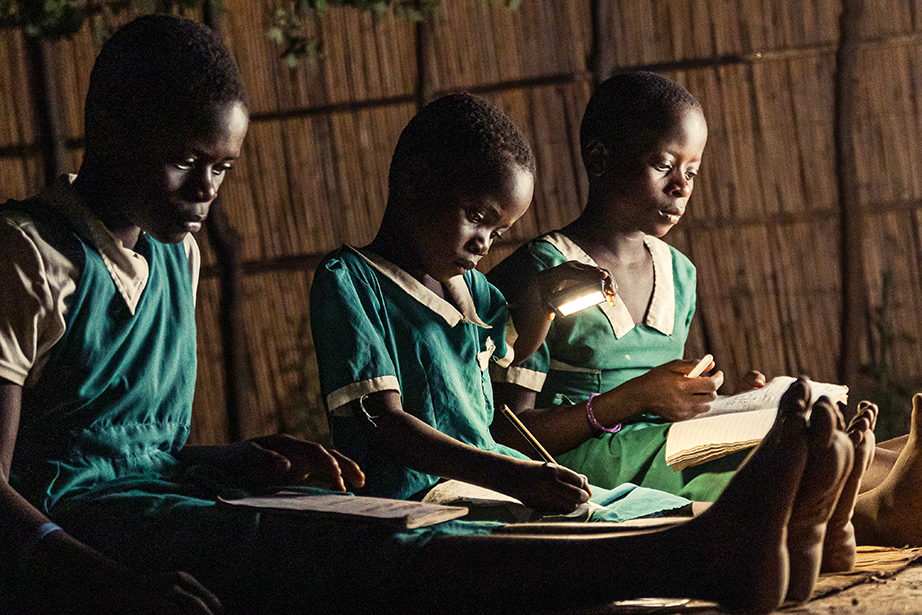
Too often, poverty interventions measure outputs—how many items distributed, how many events held. We measure outcomes. Our in-country teams collect baseline data before distribution and then return approximately 90 days later—and in some cases two years later—to assess savings, income-generating activity, children’s study time, and health and safety improvements. We are also able to confirm that lights remain in use.
In-country universities, researchers, and data analysts further validate our impact through a combination of data collection, field engagement, and independent assessments. Behind every metric is a human being making disciplined choices.
For Leaders Who Think
in Scale
For leaders accustomed to thinking in billions invested and billions deployed, our model offers something different: a low-cost, highly verifiable, behavior-linked intervention with compounding returns.
We have seen families move from survival to stability. We have watched savings replace smoke, enterprise replace dependence, and dignity replace despair. And we have built a model that is measurable, scalable, and ready for partners who believe real change begins at the household level.
If you are a leader, investor, policymaker, philanthropist, or simply someone who believes that practical solutions can change lives, we want to hear from you.
Together, let’s light the world.
Nancy Economou
Watts of Love, Founder and CEO.
About The Author