




Who Owns the Future?

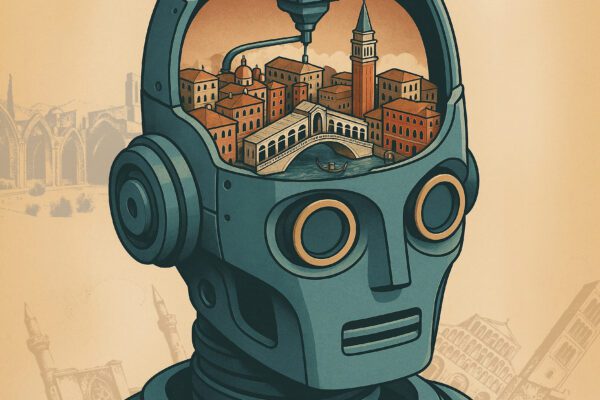
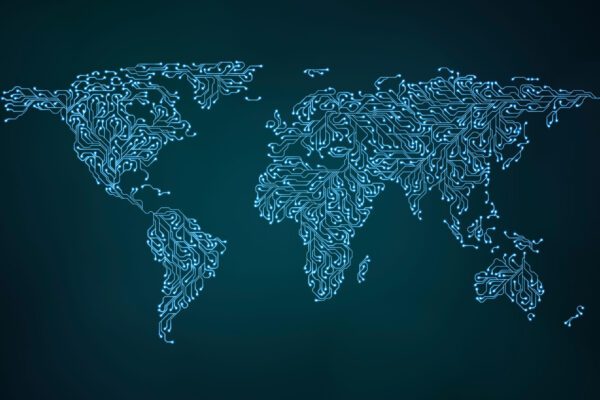
As Artificial Intelligence (AI) rapidly reshapes knowledge systems, governance structures, and global development pathways, a fundamental question arises: Who owns the algorithms shaping our collective future? To date, AI development has been largely concentrated in the hands of a few powerful corporations and countries—predominantly in the Global North. Yet a growing chorus of voices, particularly…

Read More

What’s Your Place In History?

On October 24, 1791, a man named Douwe Posthuma passed out drunk in a tavern in Amsterdam. His behavior, obviously, wasn’t welcomed back home, and the brawl between father and son ended up in the records of street conflicts. A relatively unremarkable family feud seemed to have been forgotten in history until it emerged more…

Read More

How Developing Countries Can Borrow Without Falling Into Debt Traps

Many emerging economies must borrow to grow. But borrowing smartly — not just borrowing more — can protect governments from crises and build stronger financial futures. Most developing countries face the same dilemma: Without exportable natural resources such as oil or minerals, they cannot fund long-term economic development on their own. Roads, schools, hospitals and…

Read More

Is a Hunger-Free World Possible?

Humanitarians are fighting hunger in a world of waste Imagine a world where hunger is a distant memory, where every person has access to nutritious food, and where there is no poverty. Is a hunger-free world possible or is it unrealistic? Today more than 783 million people  grapple with hunger even as we witness a…

Read More

The Sustainability Imperative

In light of the 21st century’s pressing concerns, the United Nations General Assembly hosted its first ever Sustainability Week, a week-long series of high-level meetings on debt, tourism, transport, infrastructure, and energy from 15 to 19 April 2024. The sustainability imperative underscores the urgent need to recalibrate our global society to exist harmoniously within the…

Read More