How to engage children on the issue with hope and positivity
Climate change is happening, and nearly every child in the world will be affected.Talking about climate change with our own children can feel difficult for many parents. It’s natural to want to protect kids from harm and worry. But if your child is a certain age, chances are they are already hearing about climate change — whether at school, online or from friends.
Unsurprisingly, children can feel many emotions about climate change, such as anxiety, fear, sadness and anger — all natural reactions to something as uncertain and devastating as climate change.
While you can’t solve climate change for your child, you can help them discover the facts, understand they are not alone and find ways to take action.
Here are some tips on how to have an honest and hopeful conversation about climate change without ignoring the reality and scale of the issue.
Do your homework
No one has all the answers about climate change, and it’s OK if you don’t either. Many reliable resources — including talks, videos and articles — can help you brush up on the science. NASA has child-friendly resources on the topic. You can also speak with other parents to learn how they approach the topic with their children.
Remember: It’s OK if you can’t answer all of your child’s questions. Take it as an opportunity to discover the answers together.
Listen
To start the conversation, find out what your child already knows and how they feel about the topic. You might be surprised by how much they already understand. Use this moment to listen to their fears and hopes for the planet. Give them your full attention, and don’t dismiss or minimize any worries they have. Let them know they can always come to you to talk about anything.
Use simple science
You know your child best, so make sure the information is age-appropriate. A good starting point is relating climate change to their daily lives and exploring basic facts together. For example:
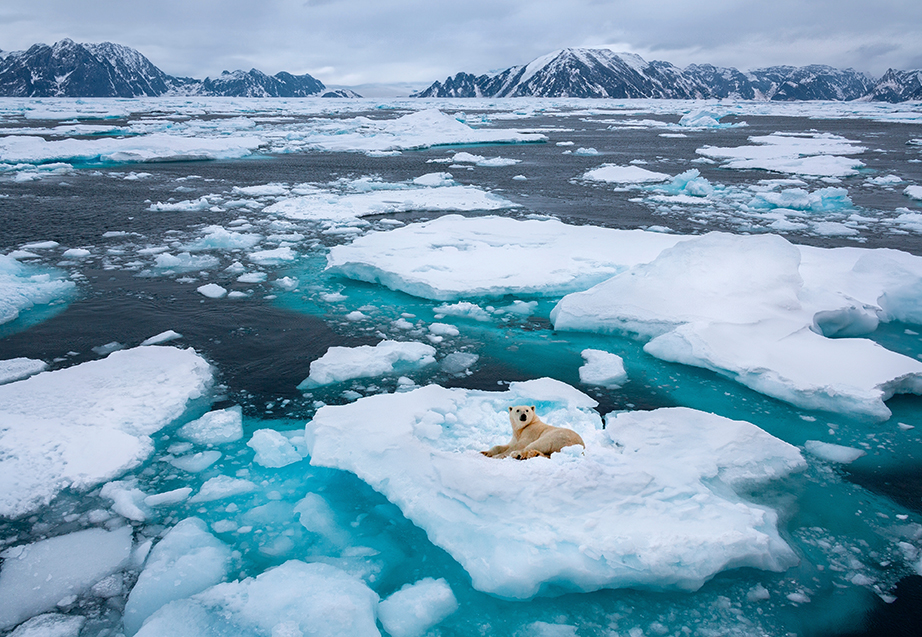
“Humans burn fossil fuels like coal and oil to run cars, fly planes, and light homes. These release greenhouse gases into the atmosphere that wrap around the planet like a bubble, making the climate hotter. A hotter planet means changes in weather, such as more floods and more storms. As the planet gets warmer, the polar ice caps melt and sea levels rise. It’s a serious problem, but many scientists and young people are working hard on solutions. And there are many things we can do as well.”
Pictures, maps, and videos can help children visualize the issue. Climate Visuals has a helpful library of images on climate impacts and solutions.
Go outside
Expose your child to nature as much as possible. Encouraging outdoor play nurtures enjoyment of — and respect for — the natural world.
When you’re outside together, pause and point out interesting sights: a tree, a cloud, a cobweb or a bird. Slowing down and appreciating nature can spark children’s curiosity and sense of wonder. Plant seeds together to show how something grows from seemingly nothing.
Focus on solutions
For every problem you discuss, try to highlight a solution. Explore examples of people working to address climate change. Talk about positive and inspiring stories you see in the news or in your community.
Discuss the steps you are taking as a family — reducing waste, saving water, recycling or switching off unused lights and appliances. This reinforces the idea that everyone can do something. Consider additional actions you can take as a family or in your community. Could you walk or bike instead of driving? Could you plant a tree?
Empower action
Young people around the world are taking climate action into their own hands — petitioning governments, developing new ways to use energy more efficiently, sharing solutions online, and joining weekly climate marches. Let your child know that many young people are standing up for the planet, and they can too.
If they show interest, introduce them to stories of young climate activists. Hearing from peers can help children feel less alone and more empowered.
Be careful not to push them into activism, which can lead to feeling overwhelmed or anxious. Let them come to you if they want to engage more actively, and emphasize that tackling climate change is a global responsibility that begins with local action. The first conversation may feel hard, but keep it going. Ongoing communication is crucial around an issue that will shape the future of every child.
About The Author