
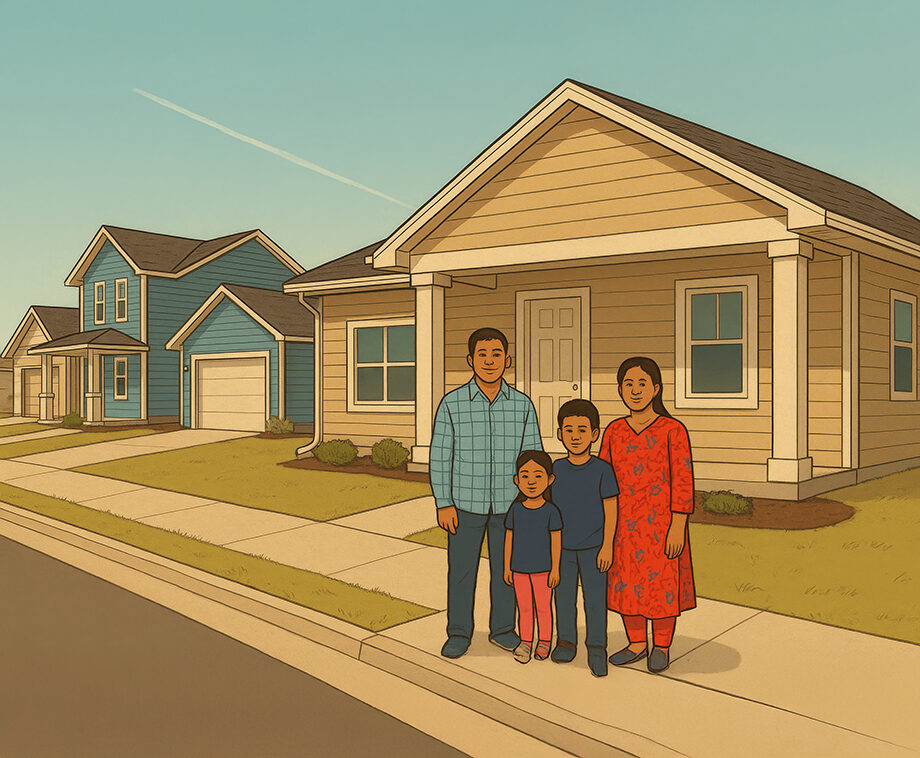
One Midwestern city is using refugee ambition to rebuild neighborhoods America forgot.
A city of some 500,000 people lying practically in the geographic center of North America, Omaha, Nebraska, has a well-earned reputation for its delicious steaks, its generous billionaires, and its long tradition of supporting progressive causes. Lately, the city has been drawing accolades for its support of refugees and other immigrants by linking their progress to Omaha’s own renewal. Partnerships between private-sector donors, nonprofit organizations, and urban planners have helped dozens of depressed neighborhoods experience a rebirth, simply by turning recent arrivals from Asia and Africa into prosperous Nebraska homeowners.
It’s a model other municipalities are beginning to adopt, and it’s quite simple: harness the ambition and energy of young refugee families to repopulate urban zones that have declined through neglect and disinvestment. The more the decline, the lower the cost of purchasing a home and the greater likelihood a refugee family will decide to invest in the community. Since the start of this century, over 300 Omaha refugee families have done just that — just with one local nonprofit, Habitat for Humanity. That model is being replicated by others in Omaha, putting homeownership within reach of thousands.
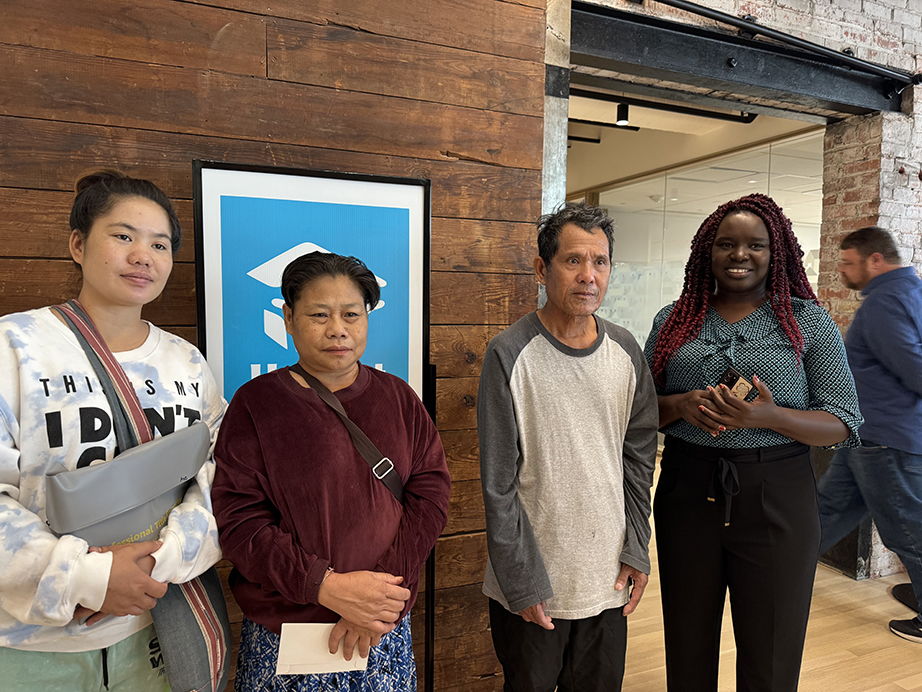
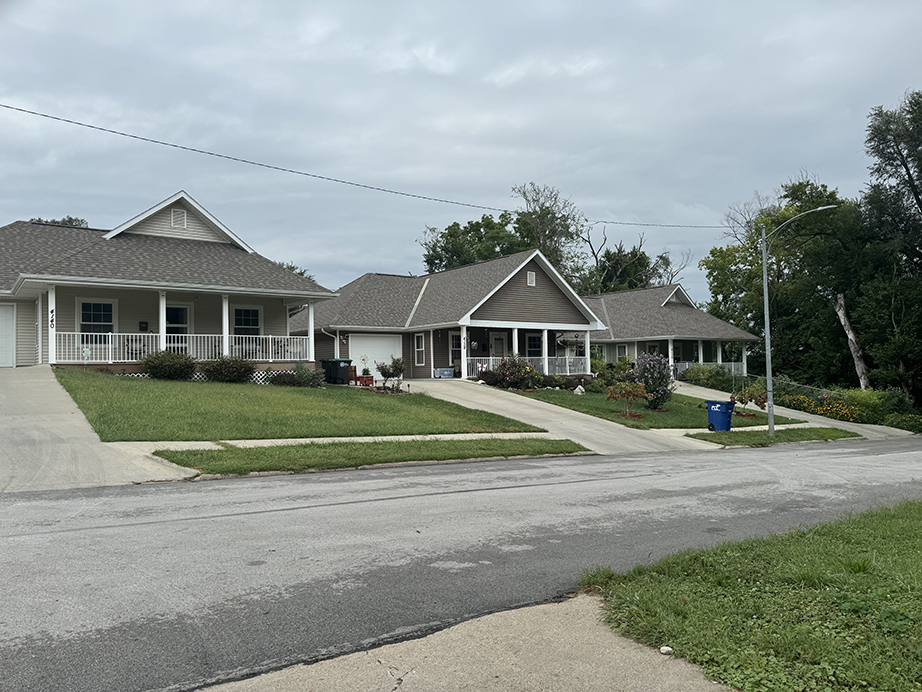
Consider a new development called Bluestem Prairie, which rose in North Omaha in 2023 when Habitat for Humanity began reviving the neighborhood formerly known as Myott Park. Once, crime there was so rampant that the city shut down all residential occupancy and bulldozed existing buildings into rubble.
Habitat paid Omaha $186,501 for empty lots then invested almost $30 million raised to remediate its surface, add streets and build 85 homes selling for around $260,000 each. Today many of Bluestem Prairie’s homesteaders are former refugees from Africa, Nepal, and Myanmar. The non-profit plans to add a second development of 30 homes in 2026.
Think of it as a twist on the urbanologists’ mantra “If you build it, they will come.” In Omaha, it’s more: They’re coming, so what can we build with them?
In this case, the “them” are refugees, someone like Than Sein. In 1979, when he was 19, Than left Burma to avoid forced military conscription. In a Thai refugee camp, he met and married Ye Ye Aye. They had a daughter and found work processing coffee beans on a nearby plantation. Mostly, they waited.
It took Than’s family over 40 years, until 2023, to arrive in Nebraska, where they were part of a resettlement of 844 refugees who came to the state that year. In September, Than Sein and Ye Ye Aye welcomed their first U.S.-born grandchild. Just a few days later, the family closed on a 30-year mortgage for a home in Bluestem Prairie.
Remarkably, it took a family waiting decades to realize their American Dream just 27 months to get the keys to their first homestead.
“These ownership-related efforts invest in people and build family wealth across a broad spectrum of the city’s working class—not only among the recent refugee buyers, but also long-term residents who see their neighborhoods improve,” says Marty Shukert, formerly Omaha’s planning and community development director, now with RDG Planning & Design. “They put empty space into productive use, raise tax revenue, and improve neighborhoods by shifting responsibility for upkeep from landlords to equity stakeholders,” Shukert explains.
Just from the homes Habitat has sold, the city of Omaha has seen its annual property tax payments rise from $738,998 in 2018 to $2,166,234 in 2023, the last year for which data are available.
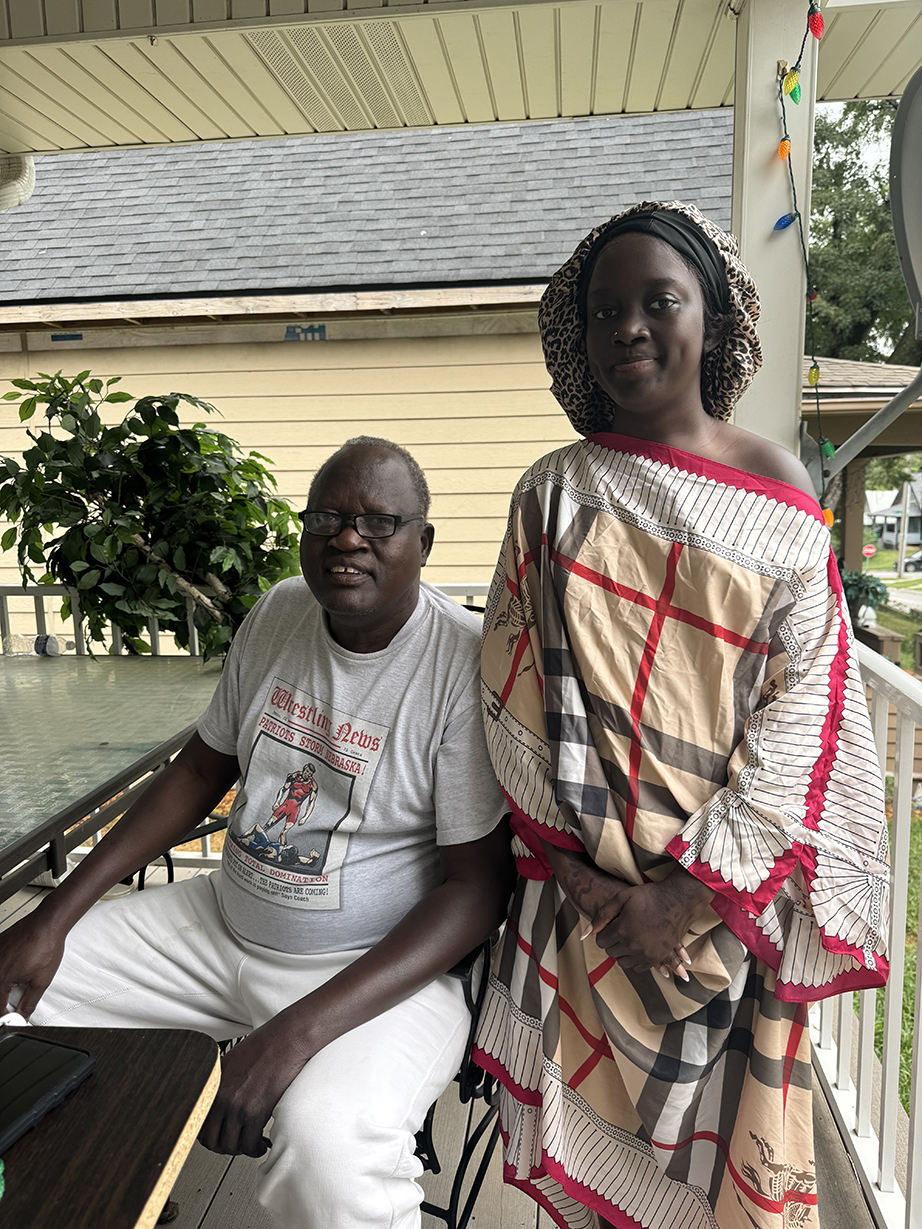
The impact of this critical mass can be seen in Clifton Hill, where tidy homes built or rehabbed by nonprofits overlook the neighborhood’s wrecks, many boarded up after years without occupancy. On some blocks, all the occupied homes are held by African refugees, mostly South Sudanese and Somali, with a smattering of Kenyans, Ethiopians, and Burundians living nearby.
To a certain degree, the reliance on refugee homesteading has attracted some criticism. “There’s been tension in North Omaha,” says Lacey Studnicka, chief program officer for Habitat for Humanity’s Omaha chapter. “There’s a myth that Habitat serves only refugees or immigrants.”
In fact, she explains, native-born Omahans of all races see the same homes available to foreign-born applicants. Often, they decline to take possession because they consider a neighborhood too risky or because they don’t want their children to change schools. Studnicka’s Habitat colleague, Africa-born Dina Luka, notes South Sudanese like her are less likely to be frightened. “We have a different mentality about these things,” she says. “After all, many of us are coming from war zones.”
It’s the antithesis of the MAGA message that warns immigrants are lawbreakers who deprive native Americans of jobs and endanger city streets. Refugees represent the polar opposite of so-called “illegal” entrants, often undergoing a rigorous vetting process before arriving in the U.S., a process that can last decades before resettlement. When they do arrive, it’s as fully legal residents with work authorization documents and a path toward U.S. citizenship.
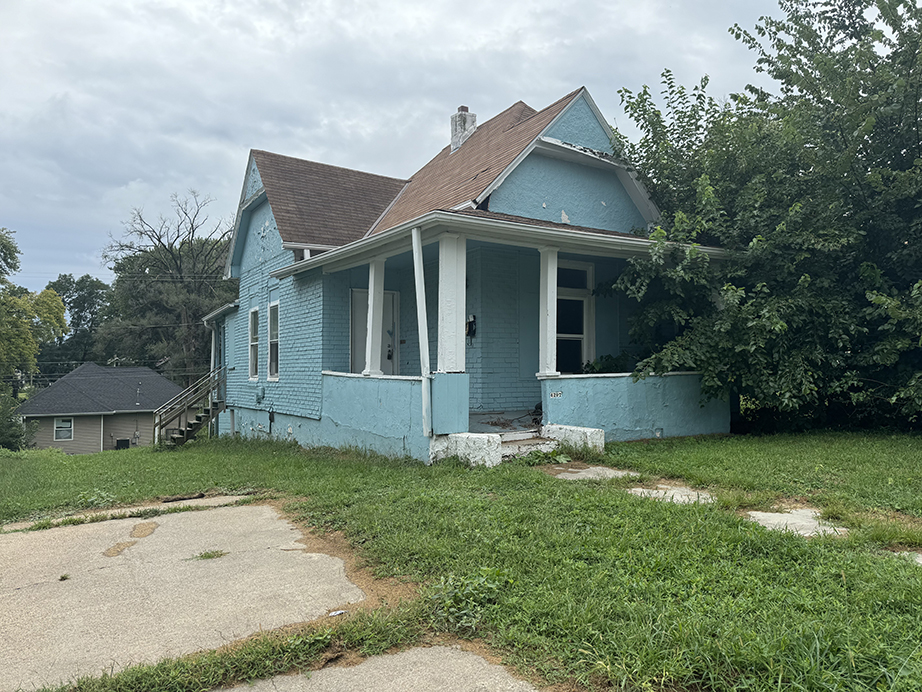
MAGA voters who say they’re not anti-immigrant — just anti-rule-breaking — would be hard-pressed to find an immigrant more rule-abiding than Sam Mangong. He’s been a prolific home restorer, now in his third home here, and an enthusiastic soldier deployed in an ambitious neighborhood initiative to replace empty zones with homeowners.
The 56-year-old Dinka tribesman operates a medical transport service from his home on Erskine Street in Omaha’s Clifton Hill district, a venerable Black community where Malcolm Little (later Malcolm X) was born and home of such legendary 20th-century athletes as Bob Gibson and Gale Sayers, as well as current boxing sensation Terence Crawford.
Mr. Mangong arrived as one of thousands of Sudanese refugees the U.S. State Department resettled across the country. Today, Nebraska hosts the largest Darfurian, Dinka, and Nuer colonies living outside East Africa — upwards of 2,000 families. Fewer than half own homes, but their numbers are rising, together with other recent African arrivals. Many are like Mr. Mangong, restoring crumbling neighborhoods emerging from decades of abandonment or neglect.
Mr. Mangong arrived in 2002, and by 2003 had already enrolled as a volunteer on a Habitat for Humanity rehab on nearby Parker Street. It’s part of the application: performing 350 hours of unpaid work hauling construction waste, pouring concrete or assisting with other tasks.
As it happened, Mr. Mangong’s family bought that house, closing on a $79,000 mortgage in 2004. Habitat offered the family a $10,000 interest-free loan to handle move-in costs. They stayed five years, at which point their loan was forgiven.

In some corners of this city, whole streets are dominated by Somali and South Sudanese who arrived as refugees in the early 2000s. Others mixing in include Nepalese and Burmese, especially Karen tribespeople chased out of the country now known as Myanmar.
Along North 45th Avenue, once Black Omaha’s chief commercial corridor, a mix of strip malls and fast-food establishments point to a rainbow of different nationalities: Nepalese, Latino, Caribbean, Southeast Asian, and East African.
“Camel Milk Sold Here” reads a placard on the front door of a Somali-owned store, which shares space with a money-transfer kiosk displaying the flags of Kenya, Ethiopia, Somalia, and the corporate logos of remittance agencies with names like Tawakal Express, EVC Plus and Sahal Services.
Over on Omaha’s West Side, a thriving West African colony is populated mainly by Togolese and Burkinabé (Burkina Faso), Africans who followed a different path to Nebraska, coming mainly as college students.
The African Cocktail Lounge in this neighborhood features Ladies Night on Thursdays and a Fufu Buffet all week. West Africans tend to dominate Omaha’s hair braiding shops, while Somalis and Kenyans fill mosques.
To date, Habitat for Humanity here has helped over 130 Sudanese families become homeowners in the neighborhood. The nonprofits Holy Name Housing, GESU Housing, and Project Houseworks have added at least 50 more refugee homebuyers to the city’s property rolls, families who are also keeping up their homes and paying property taxes.
The nonprofits target troubled blocks, usually inheriting empty spaces where the city has already cleared away a building no longer fit for human habitation. Those buildings still exist on many blocks, but are conspicuous signs of decay next to the buildings that refugee homesteaders own and occupy.
As it happens, Nebraska joins four more deeply red states — Kentucky, Idaho, and North Dakota and South Dakota — leading all U.S. destinations for refugee resettlement since 2010. Nebraska had been receiving about 800 refugees annually until 2025, when the Trump administration pulled the plug on refugee resettlement.
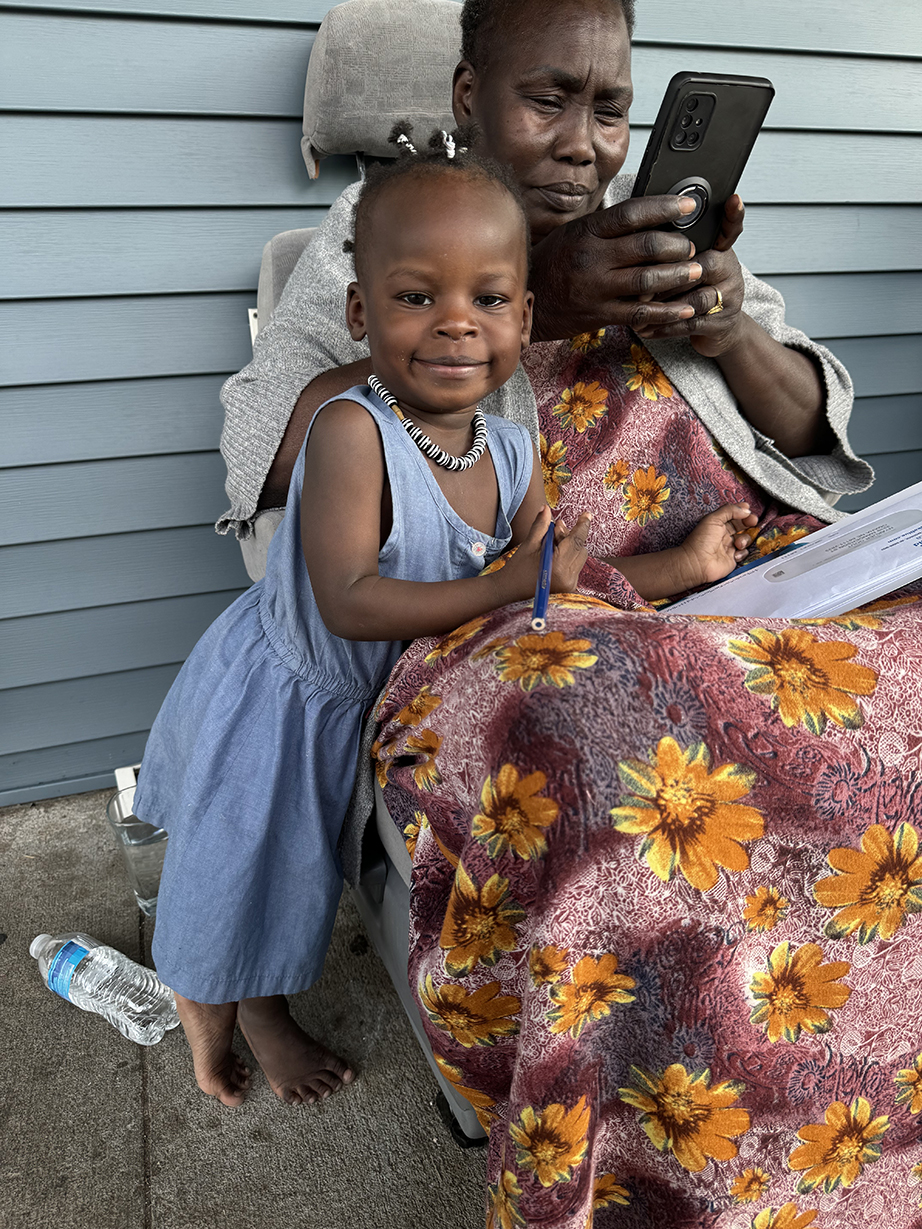
On Manderson Street, not far from Mr. Mangong’s home, another Dinka, 62-year-old Josephina Ayok, recalls her own passage to homeownership. She, too, remembers the volunteer construction gangs meeting on weekends to fix up a house. They’d sing songs from their homelands and eat each other’s traditional foods.
“It’s how we do this in Africa to build a house,” she explained. “So, nothing new for us. But I learned a lot.”
She and her husband both worked at the time for Tyson Foods, still one of Omaha’s largest meat-packing plants. They bought their home for $132,000, also receiving a $15,000 loan to help with the down payment and closing costs.
Today, their monthly expenses run to around $800, more than any of their previous rentals — but now much of that payment becomes savings as they build equity. “It’s like rent to own,” Mrs. Ayok explained.
In addition to raising tax revenue and filling empty spots on Omaha’s map, turning former renters into owners adds to community values simply by shifting the responsibility for upkeep from a landlord to an equity stakeholder. It also builds family wealth across a broad spectrum of Omaha’s working class — not just among the refugee buyers of new homes, but also for those long-term neighbors who see their own home values rise with the arrival of new families.

Besides being solid earners as employees in Omaha’s leading industries, refugees provide the critical mass that can transform an abandoned block from empty to thriving practically overnight.
Patricia Evans, a former city housing official who now runs the GESU Housing nonprofit, notes that a majority of all applicants she sees fall into two groups. “A single woman, usually Black, usually with kids. Or else a refugee family, which usually means two adults, both working.”
Evans says that over the past decade, almost two-thirds of GESU’s sales — 58 homes — have gone to refugee buyers, often from South Sudan, with Nepalese displaced from Bhutan lately entering the market. She explains single U.S. parents often are “poor enough” to qualify for government subsidies — but their finances may be precarious, with debt-to-income ratios that disqualify them from federal programs intended to help the working poor.
With refugees, it’s different: credit histories that can trip up a U.S.-born applicant rarely affect refugees, most of whom haven’t been here long enough to incur debt, much less fall behind on payments, Evans explains.
By pooling incomes and having access to support from co-nationals already established in Omaha, refugees may also rely on community resources that help homebuyers withstand setbacks like losing a job or missing work because of illness. Foreclosures in this low-income market are extremely rare — mainly because few households rely on a single income to make mortgage payments.
One thing Omaha does very well is recruit refugee homesteaders where they work — often at meatpackers like Tyson Foods, which helped 30 employees buy homes through Habitat in 2023, and more since. Than Sein, the Karen refugee who spent decades in a Thai refugee camp, was one of the Tyson employees Habitat mentored.
The 65-year-old refugee, who describes his job category as “meat stylist,” makes about $45,000 per year in salary, with opportunities to earn more by working extra hours. Now that he has a mortgage — and grandchild — to keep track of, he has no plans to retire. “As long as I am healthy, I’ll keep working,” he smiles.
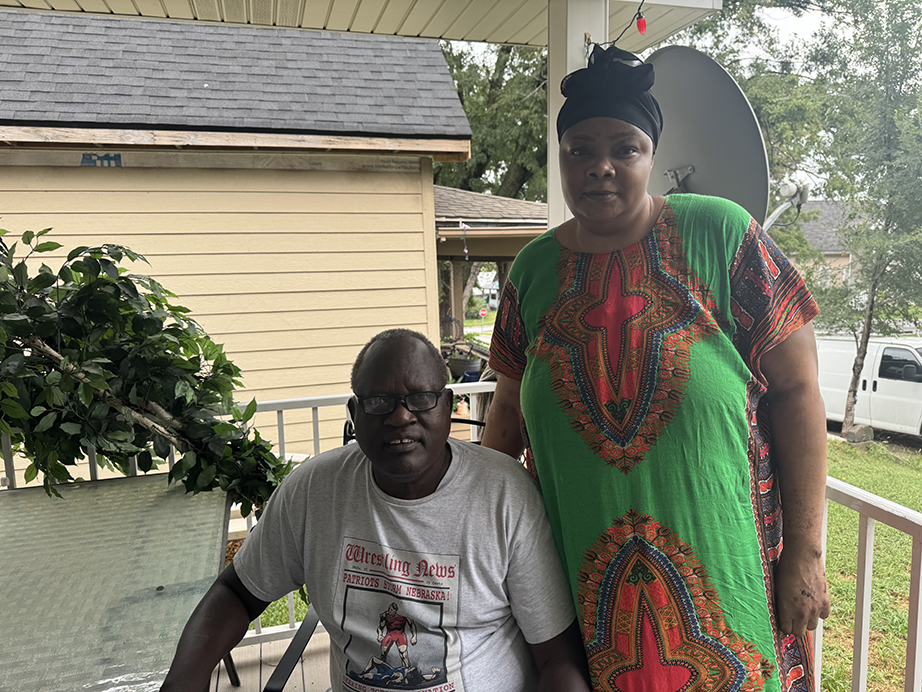
Refugees waiting for resettlement to join family members already in the U.S. are an important link to Omaha’s recovery. Arrivals of the cousins, siblings, children and in-laws of new homeowners provide a second market to sell into, allowing current owners to move up to bigger homes in nicer neighborhoods. For that reason, having a robust refugee admissions program ensures that the urban recovery beginning in this generation will continue into the next.
The not-so-good news is that the U.S.’s suspension of refugee resettlement since the second Trump administration resumed in January 2025. It ends a period when Nebraska could expect to receive up to 1,000 new refugee residents annually. Those refugees are not only the homesteaders of tomorrow. Families depend on relatives following them from the Old Country to keep the community prosperous.
So, for Omaha, the end of refugee resettlement would be a threat to neighborhood renewal that would ripple across the city’s real estate market. The U.S. Refugee Assistance Program, known as USRAP, brought over 100,000 refugees to U.S. cities during the last year of the Biden administration. That number fell to 27,000 in 2025 and is projected to fall to 7,500 in 2026.
Habitat for Humanity of Omaha remains hopeful of expanding with homebuyers already in its mentorship pipeline, even as the refugee pipeline runs dry.
But that doesn’t mean the prospect of losing permanently hundreds of potential buyers isn’t raising concerns. Says Habitat program director Lacey Studnicka: “If USRAP stops, our landscape shifts.”
About The Author
