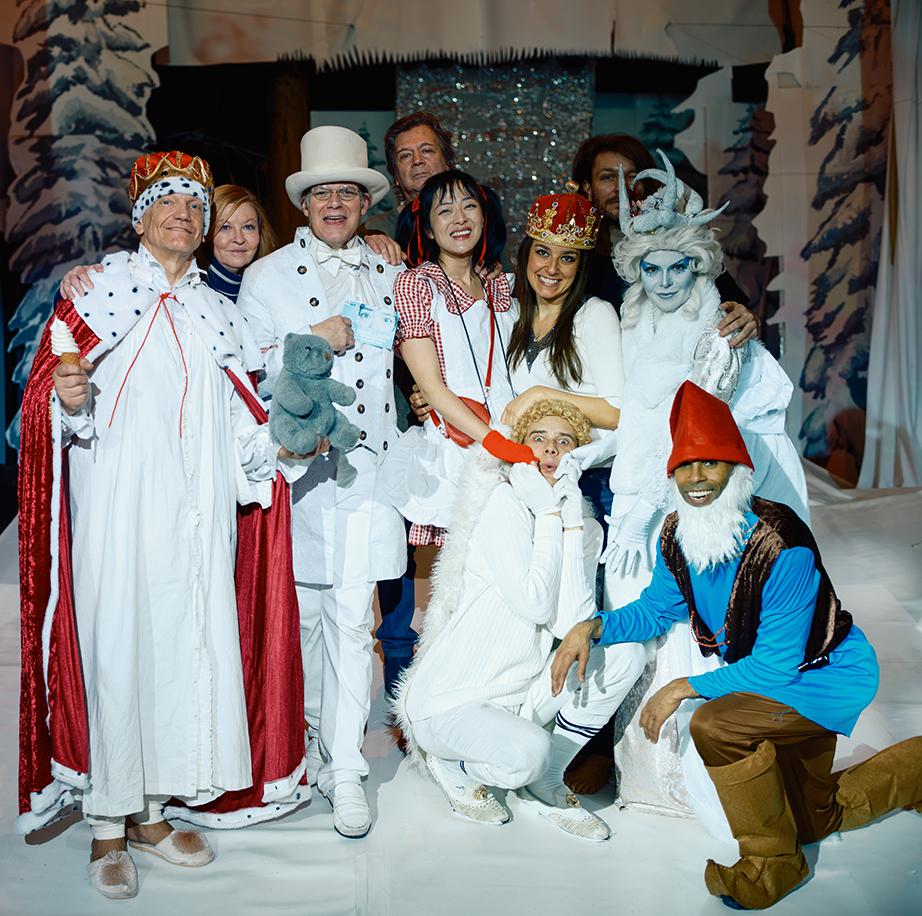
Rooted in a Russian artistic heritage yet drawn toward New York’s endless possibilities, reinvention became the soul of my journey.
New York demands everything from those who dare to create here. It strips artists down to their essentials, tests their limits, and asks, again and again, whether they have the courage to keep going. And when they do, the city offers the artists something rare: the chance to become a fuller version of themselves. For anyone shaped by Russia’s artistic tradition, the contrast is immediate. Russia is a place where the arts are part of the national bloodstream, home to Tolstoy and Tchaikovsky, Pushkin and Shostakovich, Nureyev and Plisetskaya. Its artistic culture is built on discipline, precision, and reverence for mastery. In many ways, Russia is where artists are formed. New York is where they transform. Yet even as I speak of that artistic legacy, I’m painfully aware that Russia today is remembered not for its cultural contributions but for its devastating war against Ukraine, a reality that weighs heavily on anyone connected to both histories.
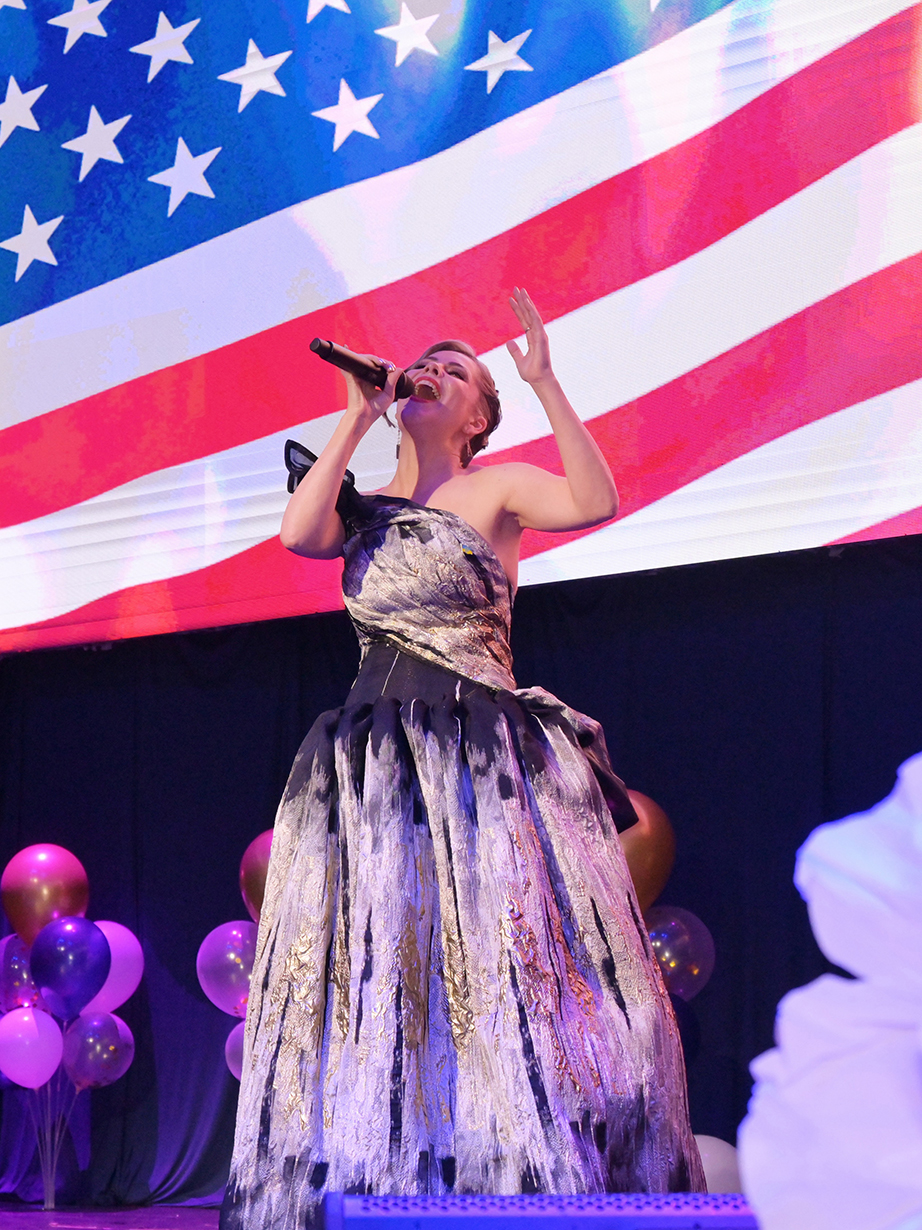
I grew up within that Russian lineage, with Ukrainian heritage, trained by my father in the demanding violin school of Pitkus–Yampolsky–Auer. Technique and commitment were nonnegotiable. But even in a country celebrated for its artists, there comes a moment when an opera singer senses that their own voice, sometimes literally, might lead them somewhere else. For me, that pull was toward singing, a freedom that felt like the beginning of a new story.
The move to New York began not with a grand plan but with a single moment of generosity. A professor at Stony Brook University heard me sing in Saratov and insisted I belonged on a bigger stage. She guided me through visas, paperwork, and the leap into a city operating on an entirely different artistic frequency.
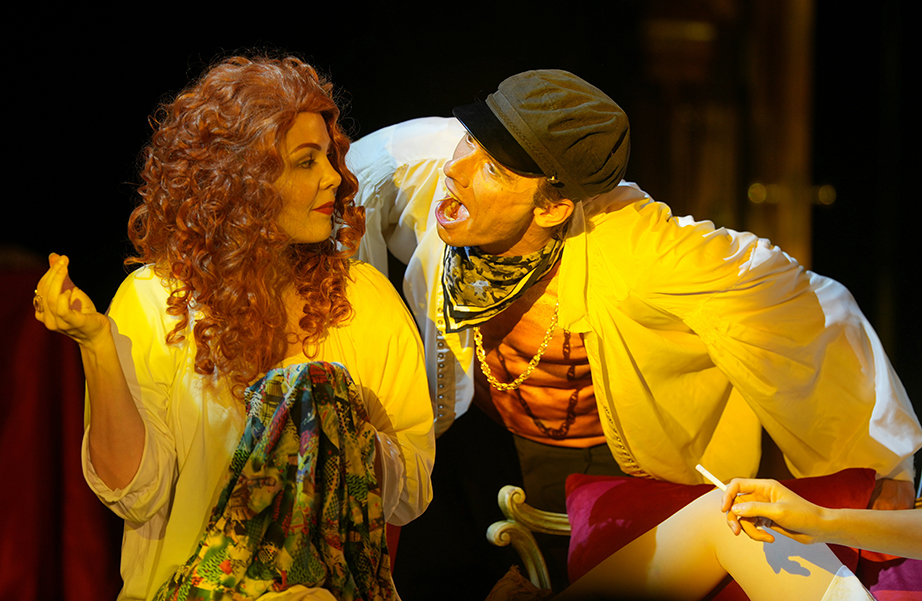
If Russia gave me heritage, New York gave me possibilities.
Arriving here meant starting from scratch, new language, new culture, new rules. A student visa meant limited work options, so like many artists, I taught music lessons to get by. But the city also had its own teachers. At the American Musical and Dramatic Academy, I found mentors who challenged me, including a voice teacher who introduced me to the bel canto tradition, reshaping my understanding of the human voice and eventually guiding me through advanced degrees I hadn’t imagined earning.
The early stages in New York bring their own tests. Auditions are uncertain. Rent is relentless. Immigration paperwork hangs over your shoulder. And yet, there are flashes of light that keep you moving forward, a breakthrough performance, a mentor’s encouragement, or an unexpected affirmation that you truly belong here.
For me, one of those moments arrived at Town Hall during Broadway’s Rising Stars, when the room shifted in a way only artists recognize, quiet, electric, expectant. Later, reading New York Times critic John Simon describe my rendition of Edith Piaf’s Hymne à l’Amour as “riveting,” and praise the “shattering Slavic soul that could move mountains, let alone people,” I understood that the musician shaped in Russia had found a home in New York.
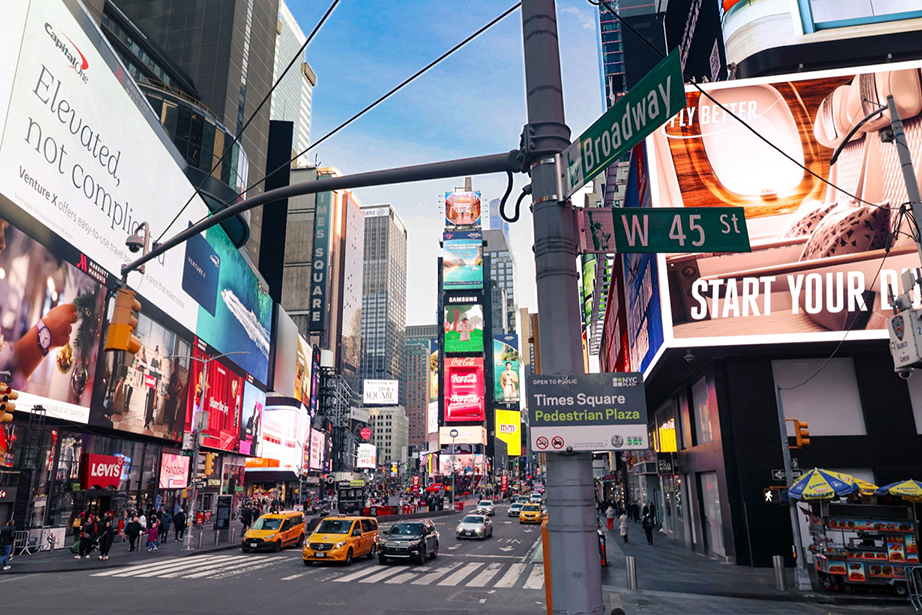
But no artist survives here without a community. Opportunity is endless, but belonging is rare, and it must be built. I found mine in a small, visionary theater led by director Aleksey Burago. In that space, everything I carried – Russian discipline, American curiosity, classical training, theatrical instincts – finally had room to merge. Together, we created productions that stretched us all: anti-war performances, bold reinterpretations of classics, roles that demanded vulnerability, courage, and a willingness to experiment.
In Russia, I learned what art demands of you. In New York, I learned what art can become.
And somewhere in between, I learned that guiding others, shaping voices, coaching languages, supporting actors, can be just as fulfilling as taking the stage yourself. Artists are strengthened not only by what they create, but by the people they help uplift.
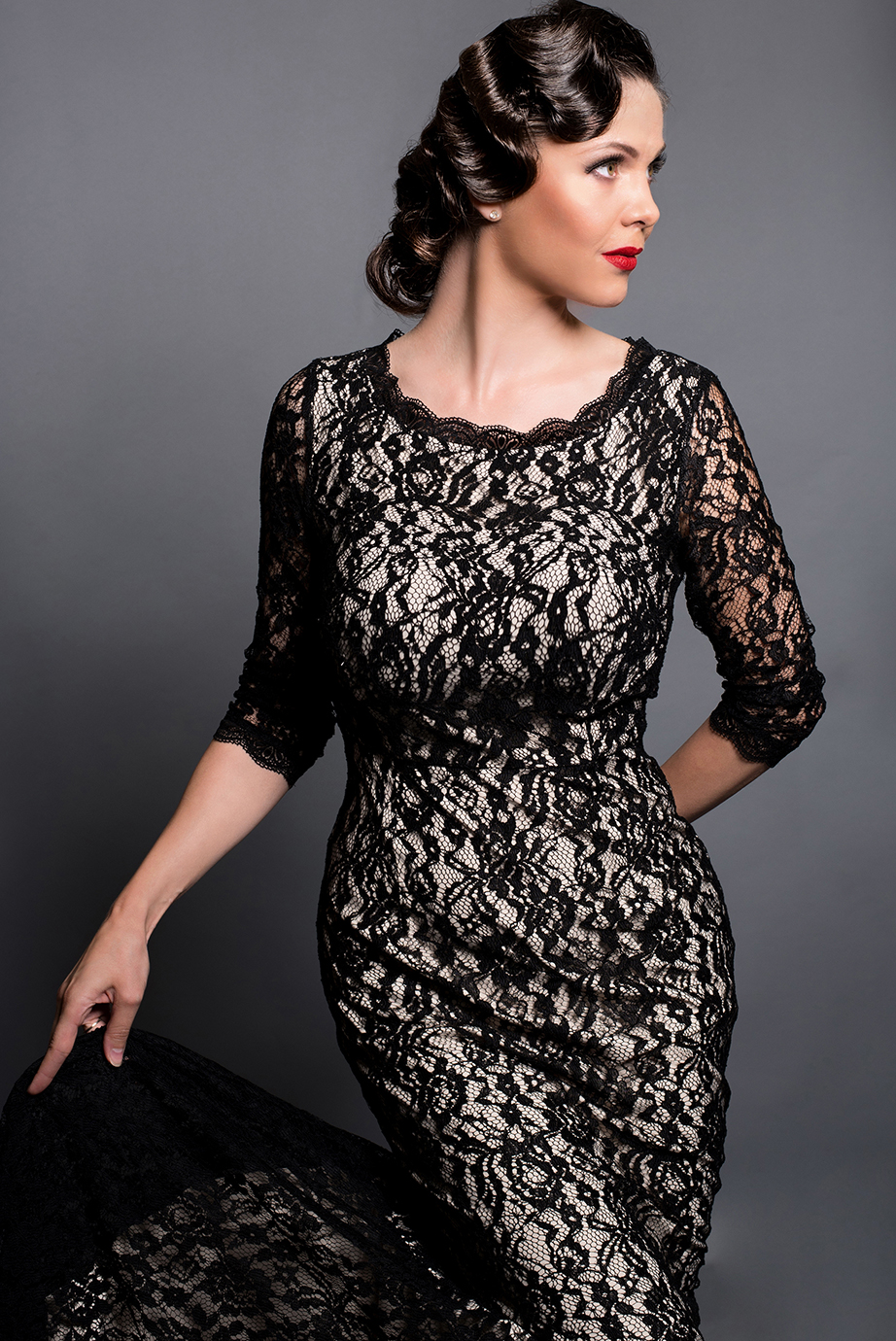
New York continues to challenge its artists long after the first visa, the first role, the first applause. The financial strain is real. The uncertainty never fully disappears. Some days you are fighting to save a historic church from being turned into condos; on others, you’re juggling three gigs to keep your practice alive. In Russia, artistry is a national treasure. In New York, it is an act of survival, and an act of faith.
But something remarkable happens when these two worlds meet. Roots from one. Wings from the other.
Together, they form an artist who can stand steady in the storm.
A dear mentor once told me, “You cannot make it on your own, but if you are part of a team, you have a chance.” After years in both countries, I know he was right. Talent matters. Work matters. But in a city this demanding, community is what carries you forward.
In the end, this is what it takes to be an artist in New York City: discipline strong enough to endure, curiosity bold enough to evolve, and a team that helps you stay in flight.
Russia gave me roots. New York gave me wings. And somewhere between the two, I became an artist.
About The Author