
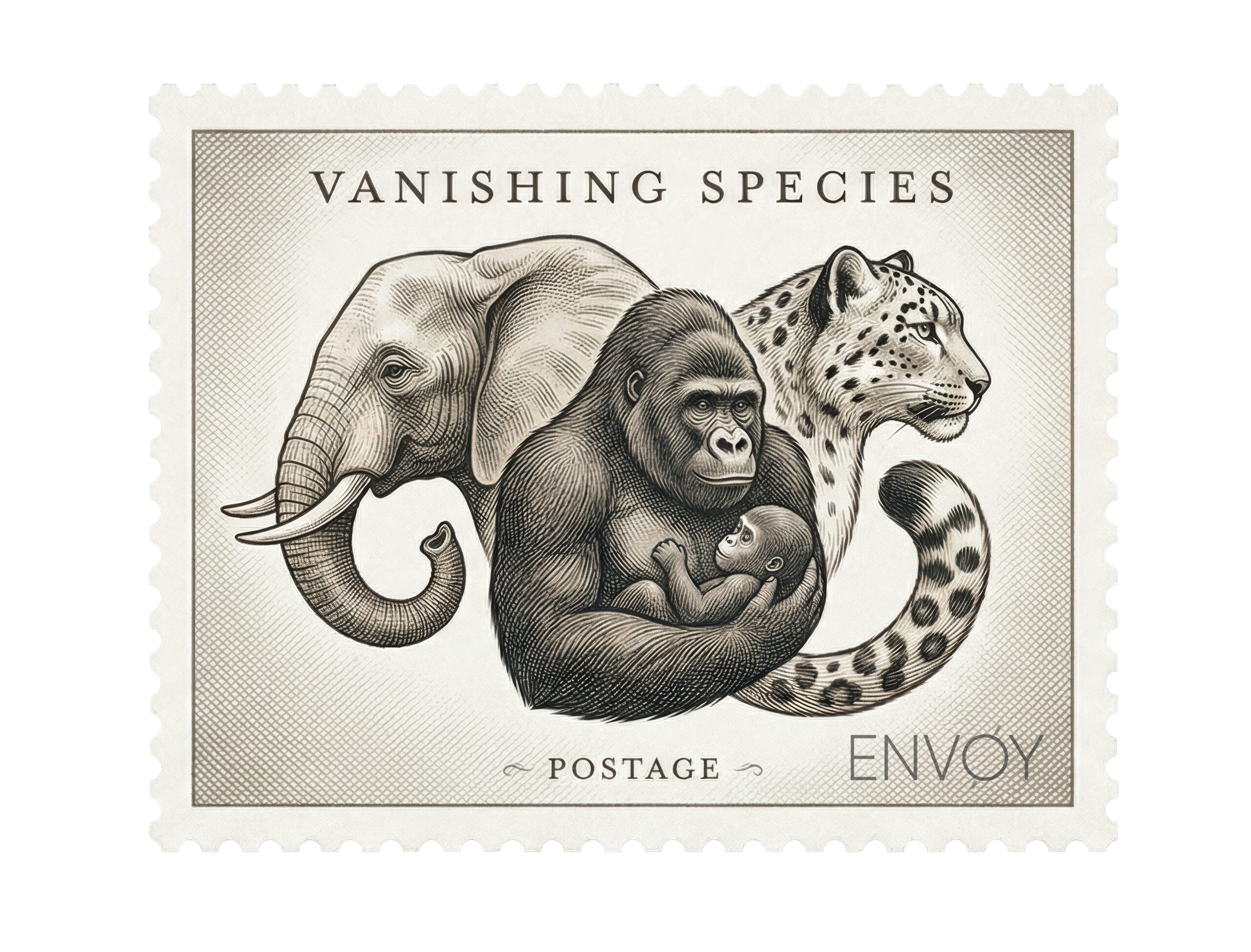
From the African elephant to the snow leopard, pressure on wildlife has become overwhelming.
One million plant and animal species are now at risk of disappearing — many within our lifetimes. That warning comes from a major UN-backed scientific review showing that human activity is driving nature’s collapse faster than at any other point in history. From the African elephant to the snow leopard, pressure on wildlife has become overwhelming. The IUCN Red List now counts more than 47,000 species as threatened with extinction — and the number continues to rise as scientists assess more of the natural world. Biodiversity isn’t an abstract idea. It is the food we eat, the water we drink, the clothes we wear. It shapes our climate, keeps soils healthy, allows crops to grow, and protects us from disasters. When nature breaks down, the systems that sustain human life begin to fail.
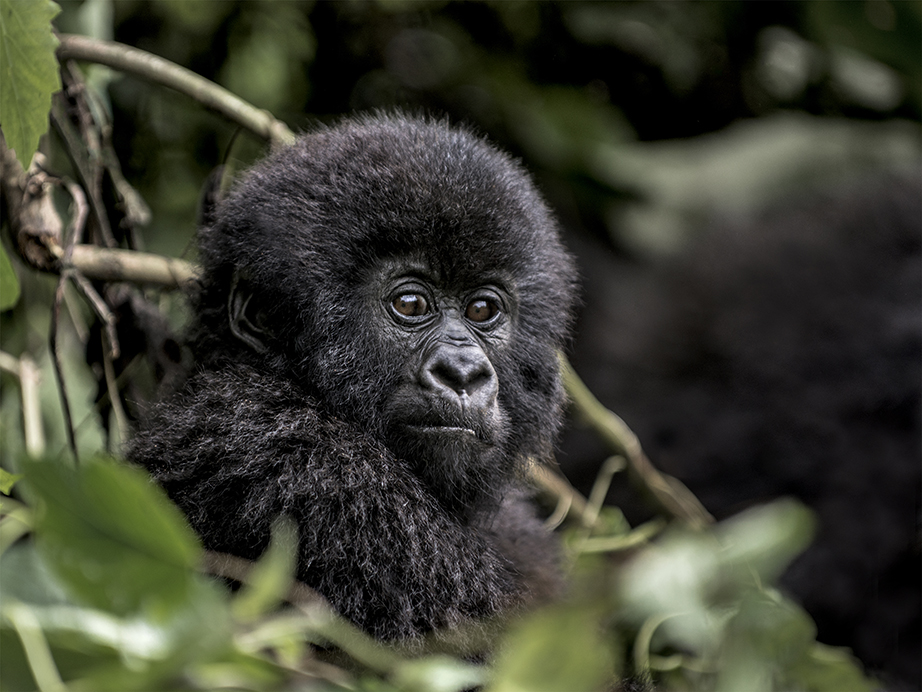
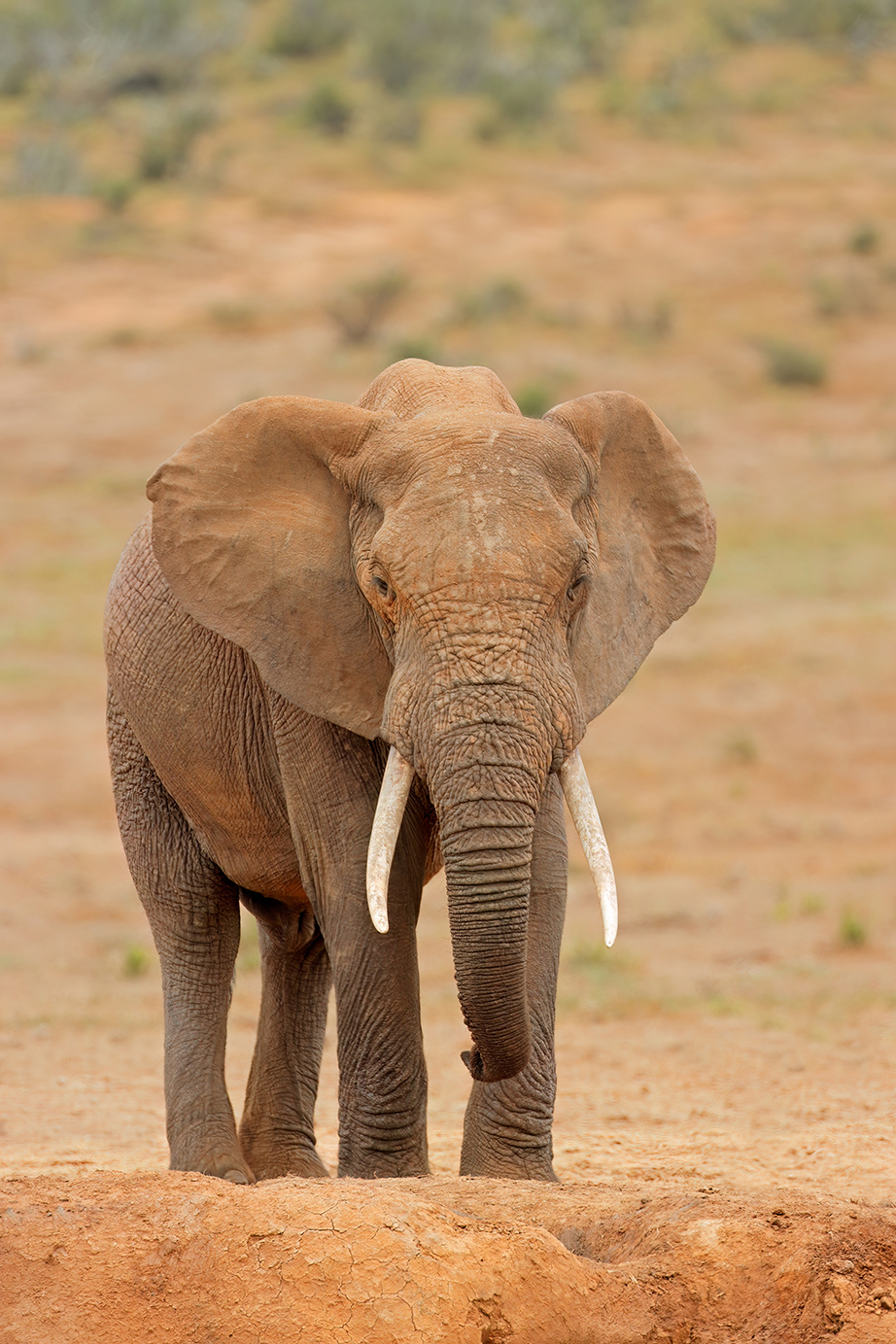
Once numbering in the millions, Africa’s elephants have been driven down by poaching and habitat loss. The African savanna elephant is now listed as Endangered, while the African forest elephant is Critically Endangered
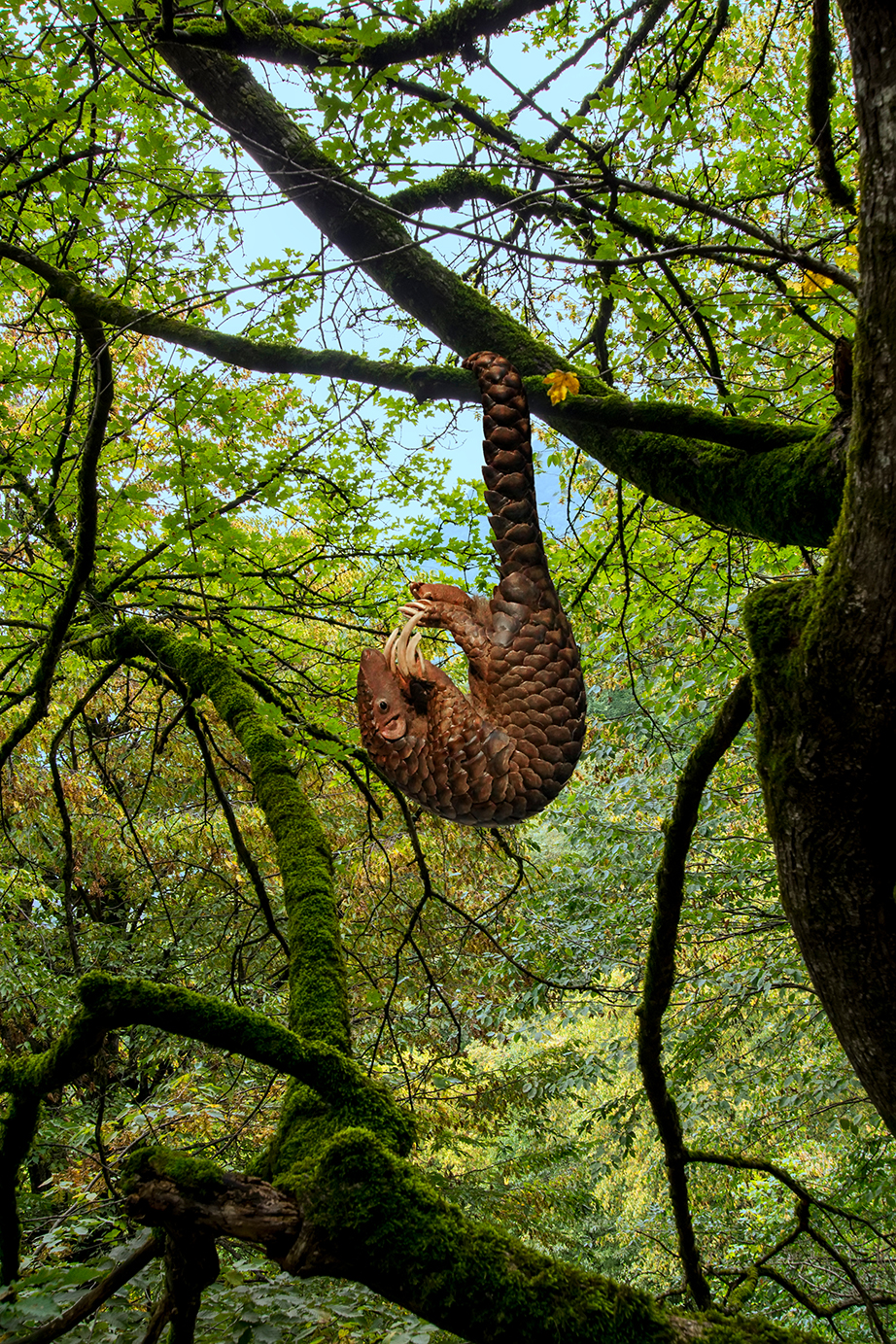
The world’s most trafficked mammals. All eight pangolin species are threatened with extinction due to demand for their meat and scales, and all are listed under CITES, with international commercial trade in wild-caught Asian pangolins banned.
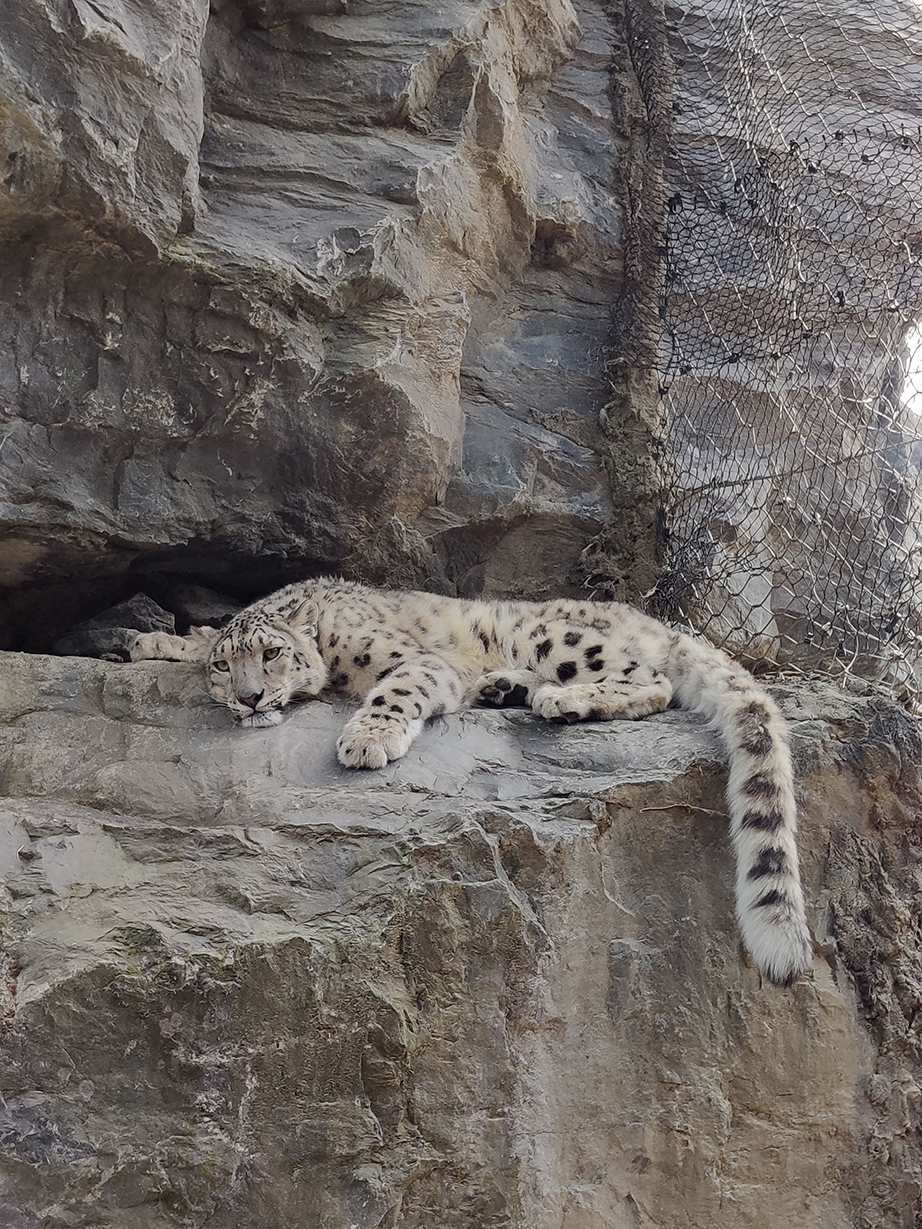
This elusive big cat of Central and South Asia’s high mountains is listed as Vulnerable on the IUCN Red List and appears on CITES Appendix I, threatened by poaching and shrinking habitat.
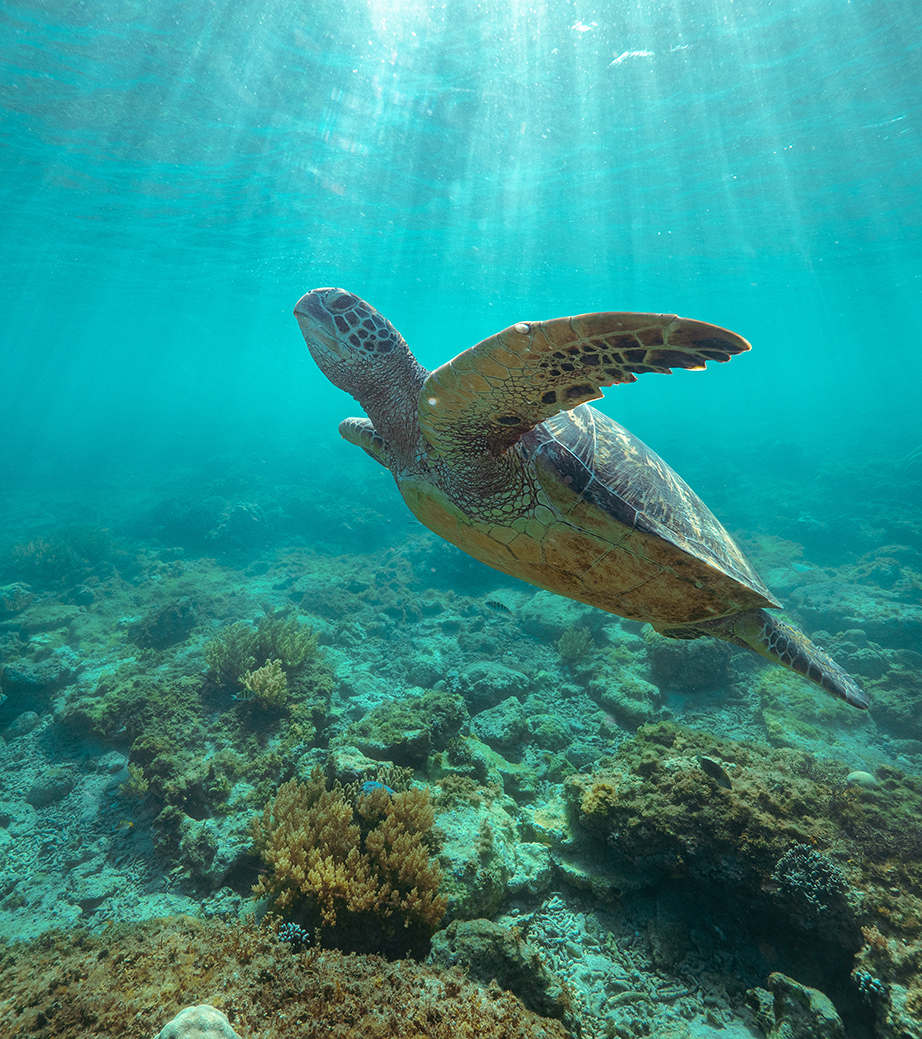
A tropical reef specialist, hunted for its beautifully patterned shell. The hawksbill is listed as Critically Endangered and appears in CITES Appendix I, meaning international commercial trade is prohibited.
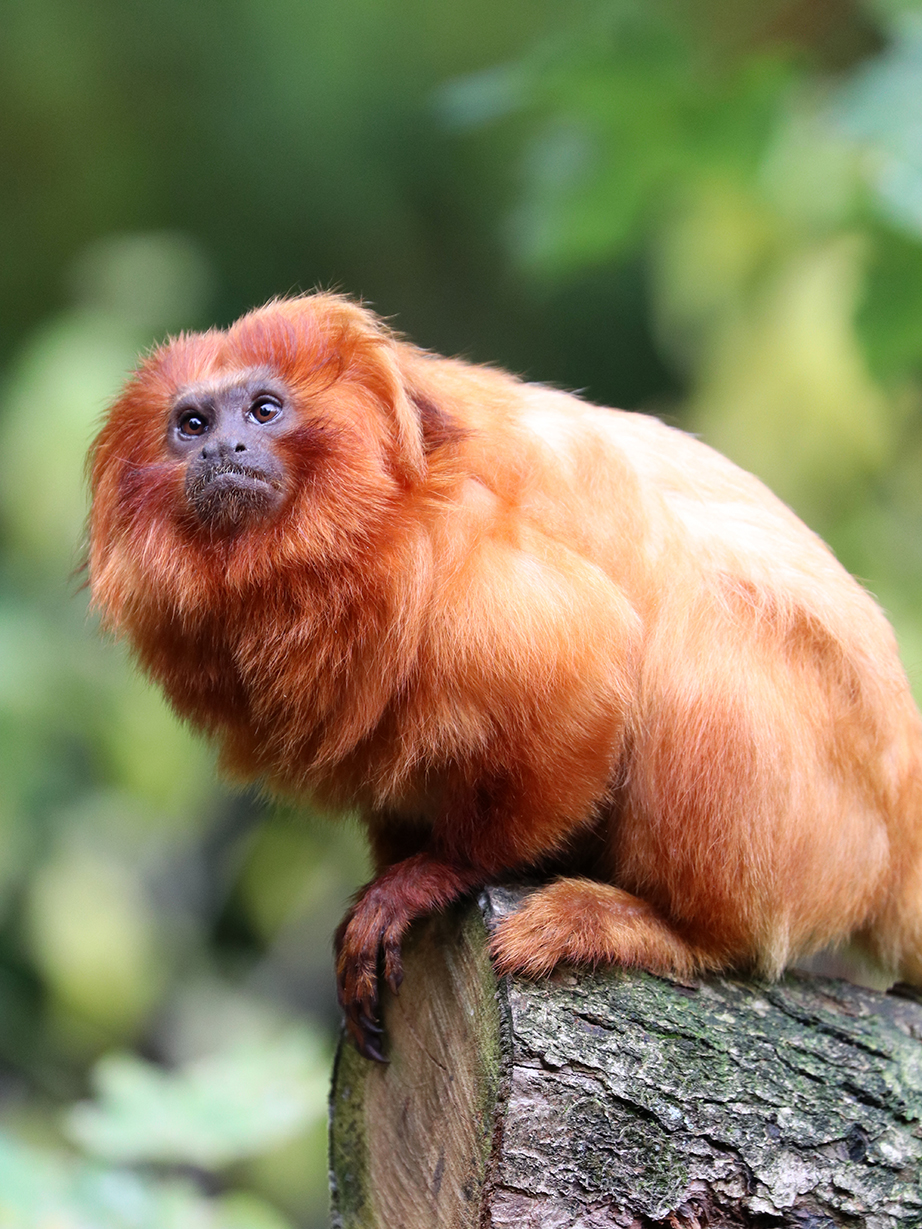
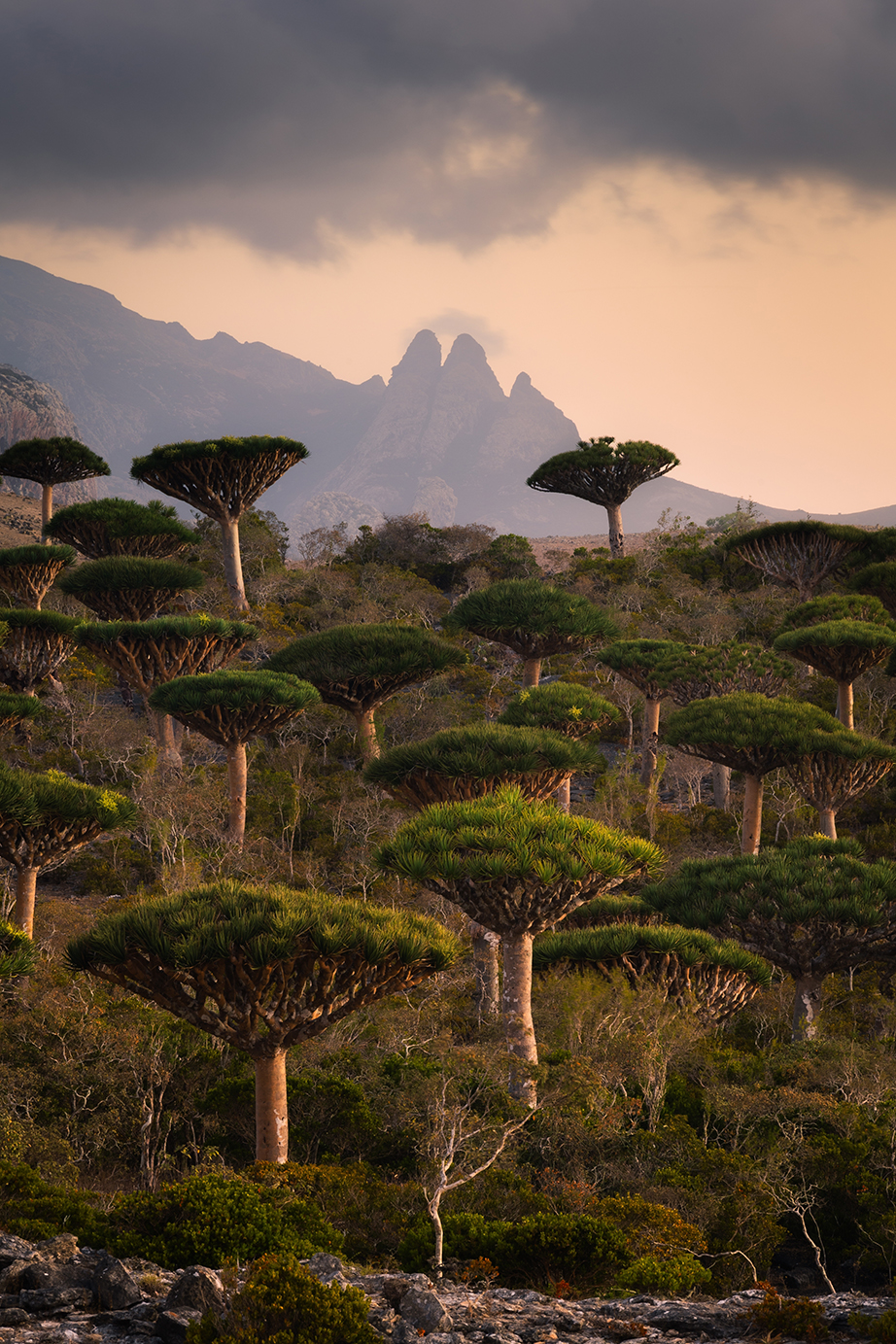
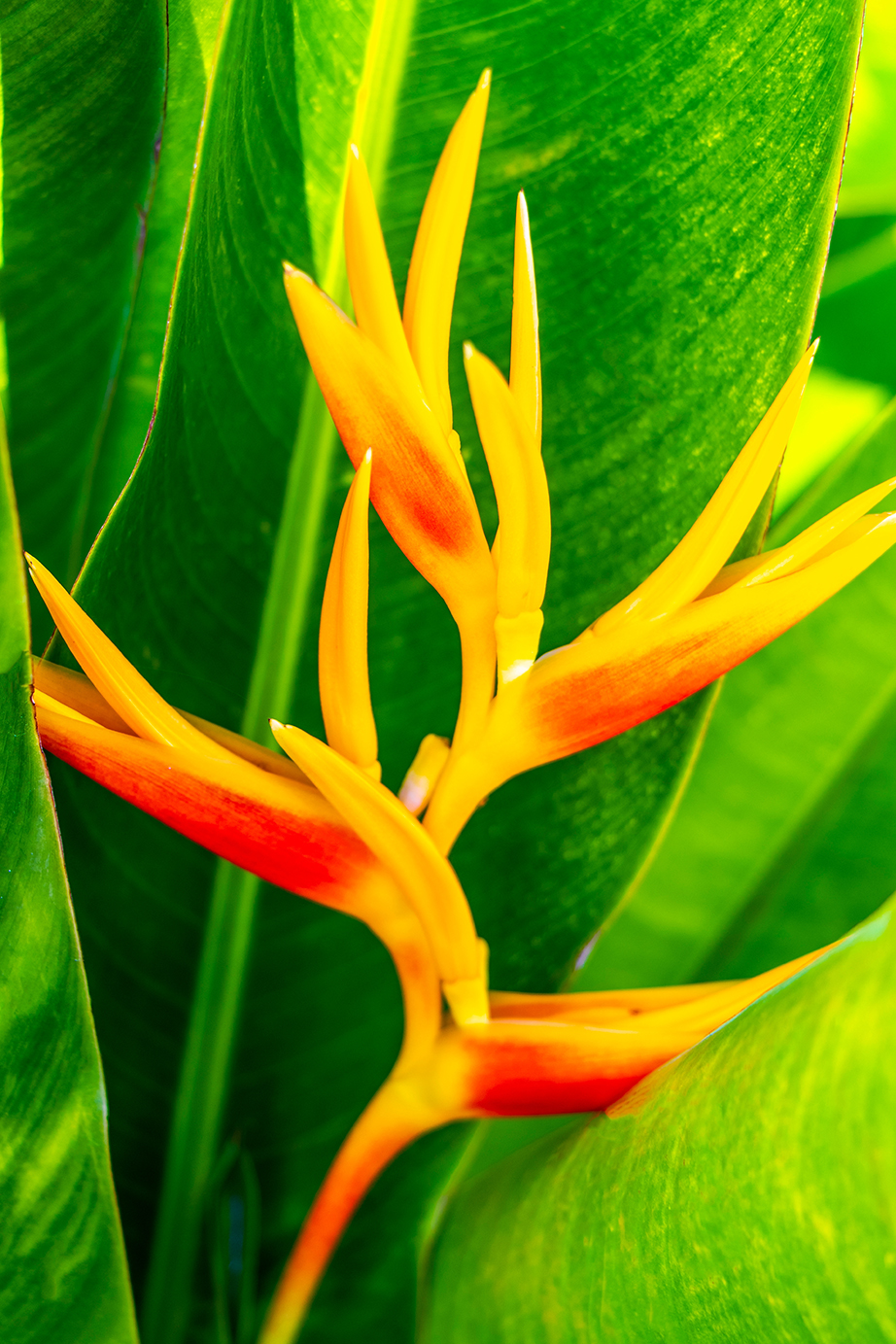
These vivid tropical plants, vital for hummingbirds and other wildlife, are under growing pressure. A recent study found that nearly half of the 187 known Heliconia species are threatened with extinction, and many are not yet on the Red List.
About The Author
