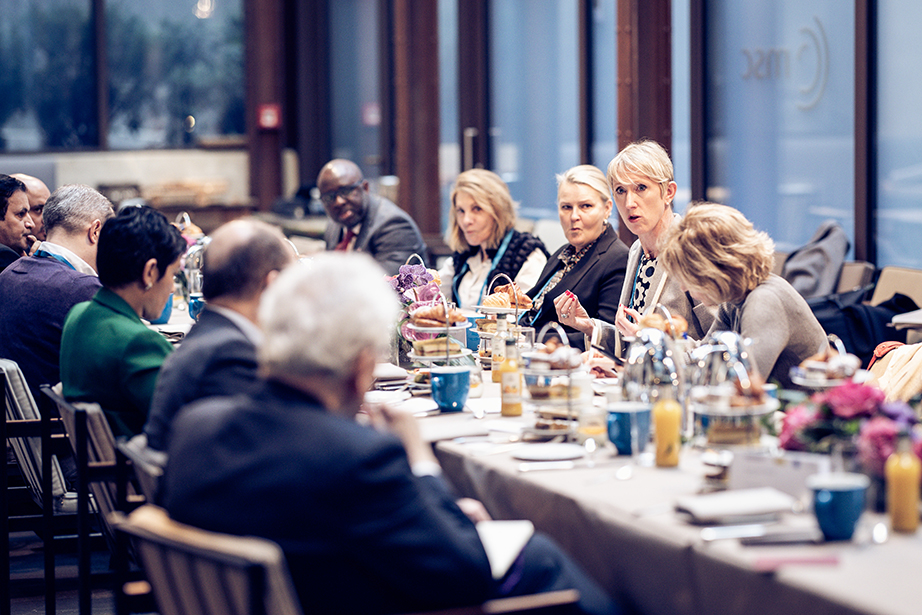
When the right people come together, even in the hardest moments, the results can exceed what any one actor could achieve alone.
The U.N. system is being forced to confront an uncomfortable truth: in the years ahead, it will be asked to respond to more crises, with fewer resources, and under mounting geopolitical strain.
For those charged with delivering on that mandate—diplomats, envoys, and U.N. officials alike—the imperative is clear.
But so is the challenge: how do you continue to uphold international responsibilities when traditional operational models for protecting civilians across all pillars of the U.N.’s work—political affairs, peacekeeping, human rights, and humanitarian assistance—are under pressure? Some answers may lie not in new institutional reforms, but in nimble approaches that help the U.N. system fulfil its core responsibilities to protect civilians and uphold international norms.
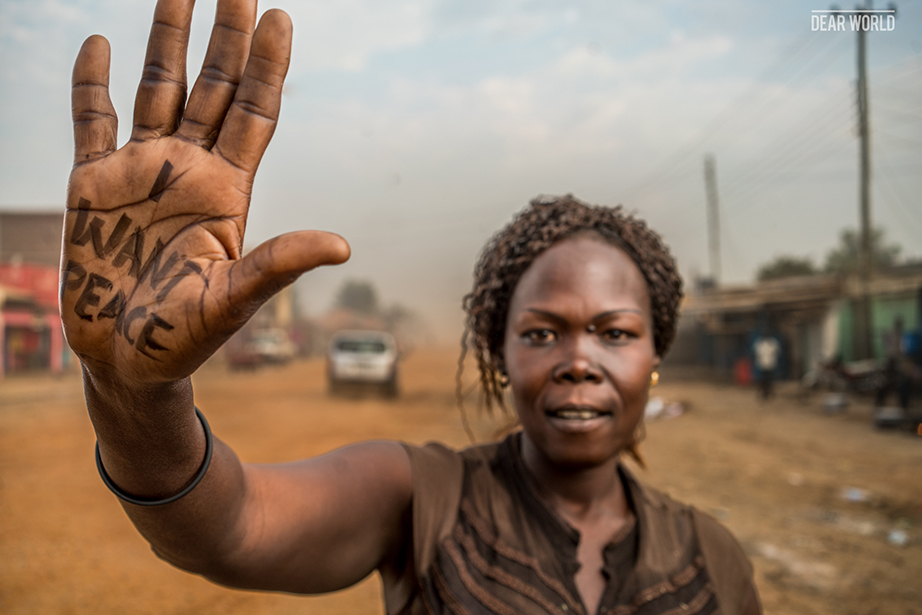
Over two decades, the organisation I lead, Crisis Action, has operated in this space—convening and supporting coalitions that strengthen the protection of civilians in armed conflict. Rather than delivering programs directly, Crisis Action convenes and aligns diverse actors—women’s and youth activists, faith-based organisations, think tanks, human rights and humanitarian groups, legal advocates, journalists and media networks, doctors, student organisations, diplomats and policymakers.
We play a strategic role in moments of crisis: elevating credible local voices and solutions, helping civil society partners share timely information that can inform policy and peacemaking, and crafting narratives that capture attention and help drive constructive action. At the heart of this approach is a shared commitment to impact—ensuring that progress, not credit, becomes the measure of success. Crisis Action focuses on moving quickly and enabling others’ influence, rather than relying on its own voice or expanding its own footprint.
This means consulting those who know best—people living through conflict—and ensuring their analysis and proposals shape international action. Central to this is ensuring women are at the peace-making and policy-making table, not as an afterthought, but as essential leaders and decision-shapers.
It also means pressing for international norms to be upheld consistently—rejecting the double standards that too often erode trust in the rules-based system.
This approach closely mirrors the operational shift the UN80 agenda aims to deliver: cross-sector integration, locally led response, and speed. While not every situation is suited to this model, it shows how a different kind of influence—one based on trust, timing, and political precision—can achieve impact even when resources are limited. At its core, this is about helping the U.N. system and its partners act in ways that better protect civilians through genuine collaboration with those affected by conflict, stronger collaboration across sectors and mandates, and by working in coalitions built around a shared vision and a clear opportunity for impact.
Working this way can enhance the U.N. system’s effectiveness in ways that can enable stronger political responses, including more decisive action by the U.N. Security Council to press for political solutions, apply measures when parties fail to protect civilians, halt arms transfers, secure humanitarian access, and deploy peacekeepers where they are needed most. It can also support the emergence of leadership for collective efforts from diverse centres of power—from local communities, regional actors, and new voices shaping the future of multilateralism.
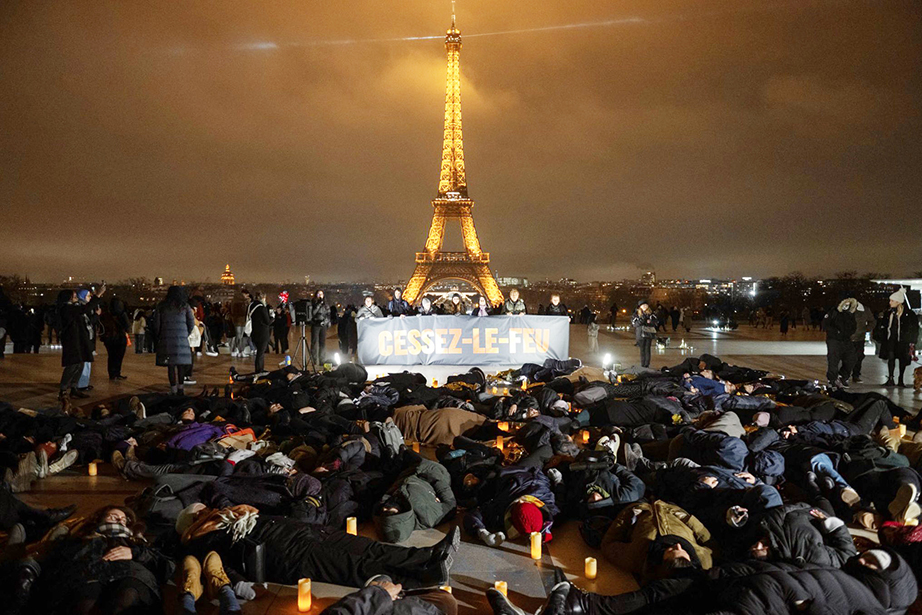
The establishment of the Independent Institution on Missing Persons in the Syrian Arab Republic (IIMP) in 2023 is a striking example of these principles in action. For years, families of the more than 130,000 Syrians who disappeared or went missing searched for answers—for names, for graves, for someone to listen. For their loved ones, the silence was its own kind of violence.
Working closely with Syrian families’ associations and survivor groups, Crisis Action helped ensure that those most affected were not just consulted, but central to the solution. By connecting partners with key U.N. member states and international agencies, and by building cross-regional solidarity with families of the missing from places like Mexico, Chile, Nepal, and the Gambia, we helped create a coalition that could push for change.
The result was historic: on 29 June 2023, the U.N. General Assembly voted to establish the IIMP—the first U.N. entity of its kind, designed to clarify the fate and whereabouts of missing persons and provide support to victims and families. This institution exemplifies how locally led, survivor-centered action, combined with strategic international advocacy, can overcome political deadlock and help the U.N. live up to its founding mandate.
The IIMP campaign demonstrates the core themes of our work: centering those with the greatest stake, leveraging creative coalitions across sectors and borders, and focusing relentlessly on impact to achieve outcomes that might otherwise have been impossible. While this approach is rooted in protecting civilians, the same model of flexible, outcome-driven coalitions can be applied to other global challenges, from confronting the climate crisis to strengthening international justice.
Across contexts—from Gaza to Myanmar, from Ukraine to the Sahel—this pattern is repeating. Local actors are increasingly taking the lead in shaping responses, whether by coordinating aid, documenting abuses, mobilising pressure, or proposing solutions. While the mix of actors and the level of influence varies by context and over time, these connective models often help overcome gaps in access, resources, or coordination that can limit impact.
Nowhere is this more evident than in Sudan, where locally driven mutual aid initiatives—known as Emergency Response Rooms—have shown extraordinary leadership in helping civilians survive and sustain their communities despite immense challenges. Crisis Action has worked to amplify these Sudanese voices, supporting them to challenge the inadequacy of the global response and contributing to calls for a major upsurge in humanitarian relief, access, and support to mutual aid groups.
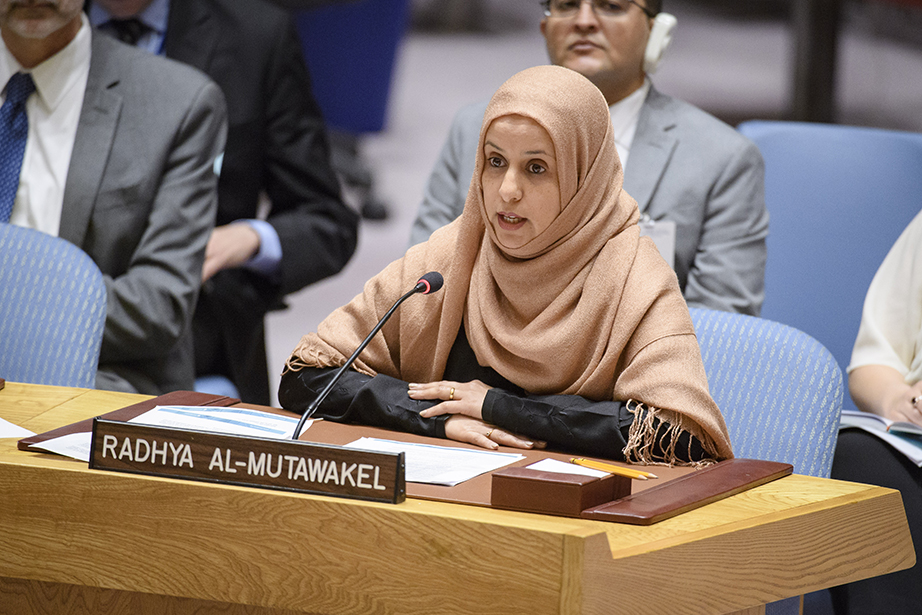
Importantly, these approaches do not rely on large budgets or standing teams. They rely on trust, relationships, and strategic clarity. Crisis Action’s role, for example, often involves helping actors who share the same goals work together more effectively. Much of this work happens behind the scenes. And yet it can shift outcomes: amplifying pressure for ceasefires, opening humanitarian corridors, and proposals for accountability.
This way of working values networks over hierarchy and treats flexibility as a strength. In a time of constraint, the ability to come together quickly, act collectively, and adapt fast can be just as important as traditional capacities.
There are, of course, limits. Complex crises cannot be solely addressed through informal coalitions, and not every actor is positioned to play this role. But if the international system is serious about decentralising power and elevating locally driven solutions, then these models deserve more attention, support, and integration into formal planning. They show how the U.N. can fulfil its founding mission more effectively—by empowering those with the greatest stake in peace and protection, and by forging coalitions that unite diverse actors around shared goals.
The U.N.’s future—particularly in conflict response—may depend on finding ways to work more like this: unlocking distributed power, trusting local actors, and building fast-moving alliances that can cut through inertia. That doesn’t mean abandoning the multilateral system. It means reimagining multilateralism itself—becoming part of a renewed model of collective action that reflects today’s complexity and tomorrow’s constraints, rather than sitting outside or simply complementing it.
Crisis Action is one such model. There are others. The challenge ahead is to learn from them—and, where possible, to build alongside them. Because in this next chapter, success won’t be measured by size or scope, but by the ability to adapt, collaborate, and catalyse. When the right people come together, even in the hardest moments, the results can exceed what any one actor could achieve alone.
Nicola Reindorp is the CEO of Crisis Action, which marks its 20th anniversary this year.
About The Author